Explore Foshan
Foshan in One Day: Build a Day That Still Works
Choose one Foshan cluster to carry the day, add only one extension you can remove, and protect the complete journey back.

On this page
- Begin with the shape of Foshan
- Choose the purpose before the place
- Give one core cluster the day
- Add only one removable extension
- Protect the complete return journey
- Use blocks instead of a fixed timetable
- Apply the method to Chancheng
- If Zumiao old city is the core
- If Shiwan is the core
- Apply the method to Daliang
- Know when not to add the extension
- Run the live check last
- Keep one-day planning separate from the other guides
- A one-page planning template
- Continue planning Foshan
- About the author
One day in Foshan can be meaningful, but only after you stop treating “Foshan” as one compact sightseeing centre. The city has five districts, and each district contains more specific towns, subdistricts and visitor clusters. Two places can share the same city name while requiring a real transfer between separate local areas.
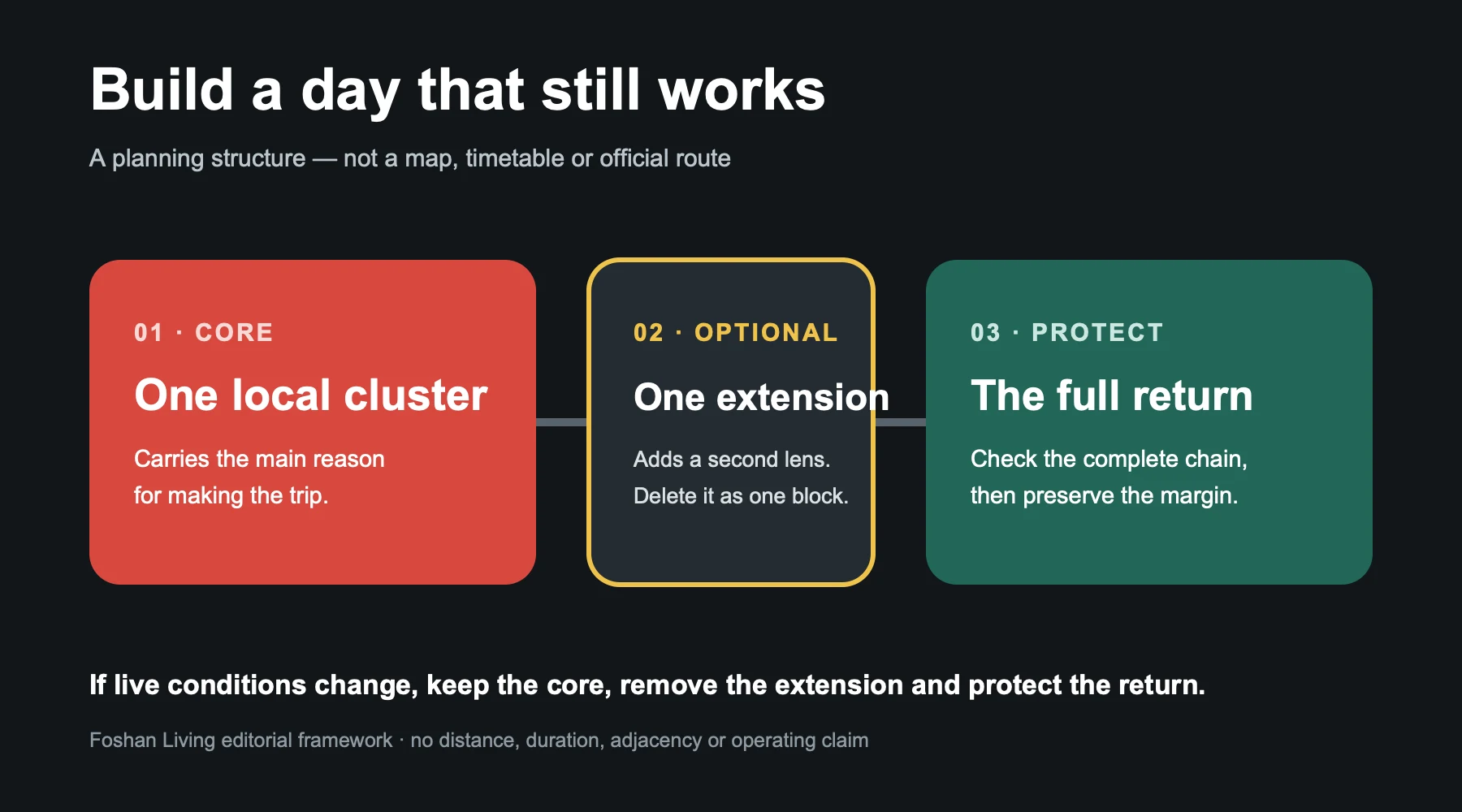
That makes a long attraction list the wrong starting point. A stronger one-day plan has three parts:
- one core cluster that carries the main reason for your visit;
- one removable extension that adds depth but can disappear without ruining the day;
- one protected return buffer based on the complete journey back, not only the first train or car.
This guide explains that structure. It does not prescribe a fixed route, promise current opening or tell you how many landmarks to collect.
- Begin with the shape of Foshan
- Choose the purpose before the place
- Give one core cluster the day
- Add only one removable extension
- Protect the complete return journey
- Use blocks instead of a fixed timetable
- Apply the method to Chancheng
- Apply the method to Daliang
- Know when not to add the extension
- Run the live check last
- Keep one-day planning separate from the other guides
- A one-page planning template
- Continue planning Foshan
- About the author
Begin with the shape of Foshan
Foshan is officially divided into Chancheng, Nanhai, Shunde, Gaoming and Sanshui. That administrative fact does not by itself tell a visitor where to spend a day. The useful travel unit is usually smaller: Zumiao old city, Shiwan, Guicheng, Xiqiao, Daliang or another clearly named local area.
Use this planning sequence:
city → district → local cluster → exact operator or address
Each step removes ambiguity. “Foshan” is too broad for directions. “Shunde” is still too broad if the real destination is Daliang. “Chancheng” becomes more useful only after you decide whether the day is led by Zumiao old city, Shiwan or another specific area.
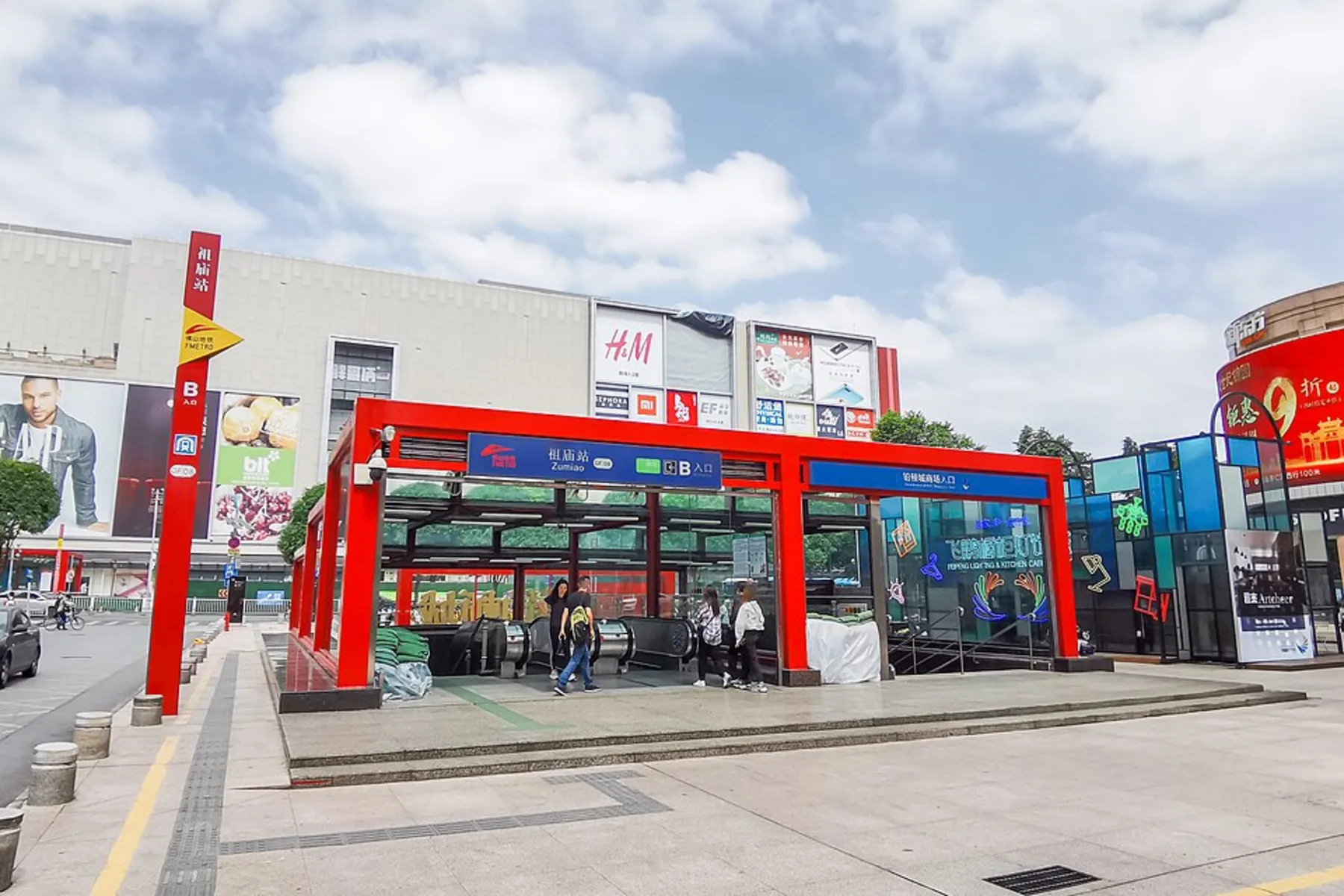

This is why a search result that describes several famous places as “in Foshan” is not yet an itinerary. A citywide list hides the transfer between clusters. It also hides a more important cost: every additional transfer takes attention away from the place you came to understand.
If you still need the citywide picture, use Foshan’s five districts before building the day.
Choose the purpose before the place
A core cluster works only when it has one clear job. Complete this sentence:
> At the end of the day, I want to understand ______.
Your answer might be traditional urban culture, ceramics and making, a Lingnan garden and town streets, a mountain-and-culture landscape, or contemporary metropolitan space. The subject matters more than the number of stops.
Keep the purpose specific enough to make decisions. “See everything” cannot tell you what to remove. “Understand how old-city institutions, streets and public culture fit together” can. So can “look at ceramics through place, process and display” or “use one garden as an anchor for reading Daliang.”
Purpose also determines what belongs elsewhere:
- specialist history belongs in a culture guide;
- hands-on participation requires current operator checks;
- food depth belongs in a food guide;
- accessibility needs a complete, current journey audit;
- a professional buying trip needs a different workflow from a visitor day.
The one-day page owns the shape of the day, not every subject inside it.
Give one core cluster the day
The core cluster is not simply the first place you visit. It is the part of the plan that remains worthwhile if everything optional is removed.
A good core has:
- one clear local identity;
- at least one named operator or public anchor that can be checked;
- enough surrounding context for observation, rest and a meal without forcing another district;
- a reason to stay after the first photograph;
- a workable arrival and return chain that you can verify close to travel.
You do not need to fill every hour in advance. Instead, decide which kinds of attention belong in the core: reading a building, comparing public spaces, understanding an exhibition, observing craft context, walking a bounded street area or sharing an unhurried meal.

.jpg)
This protects the day from a common failure. When the first venue changes its operation, a checklist itinerary collapses. A cluster-first day can continue through another part of the same local context, provided that access is lawful and currently available.
“Core” does not mean that every point inside the area is adjacent or continuously walkable. Exact entrances, crossings and local transfers still require a live map and operator information.
Add only one removable extension
An extension adds a second lens. It must never be necessary to justify the trip.
Before adding it, write down:
- what new question it answers;
- where its exact entrance is;
- which operator controls access;
- how you will reach it from the core;
- the latest decision point for keeping or deleting it;
- what you will do instead if it is removed.
The extension should be removable as one block. If deleting it also destroys a prepaid activity, a meal reservation and the return journey, it was not optional.
Do not disguise a second full day as an extension. A different district, a distant town or a site with its own complex access can be valuable, but value does not make it small. Save it for another visit when its subject deserves the core position.
The extension rule is also useful when travelling with children, older adults, mobility needs or anyone unfamiliar with the transport system. A smaller plan gives the group space to respond to fatigue, heat, rain, crowds or a longer-than-expected visit without rushing.
Protect the complete return journey
A return buffer is not a generic number of minutes. It is a planning margin placed before the final chain becomes fragile.
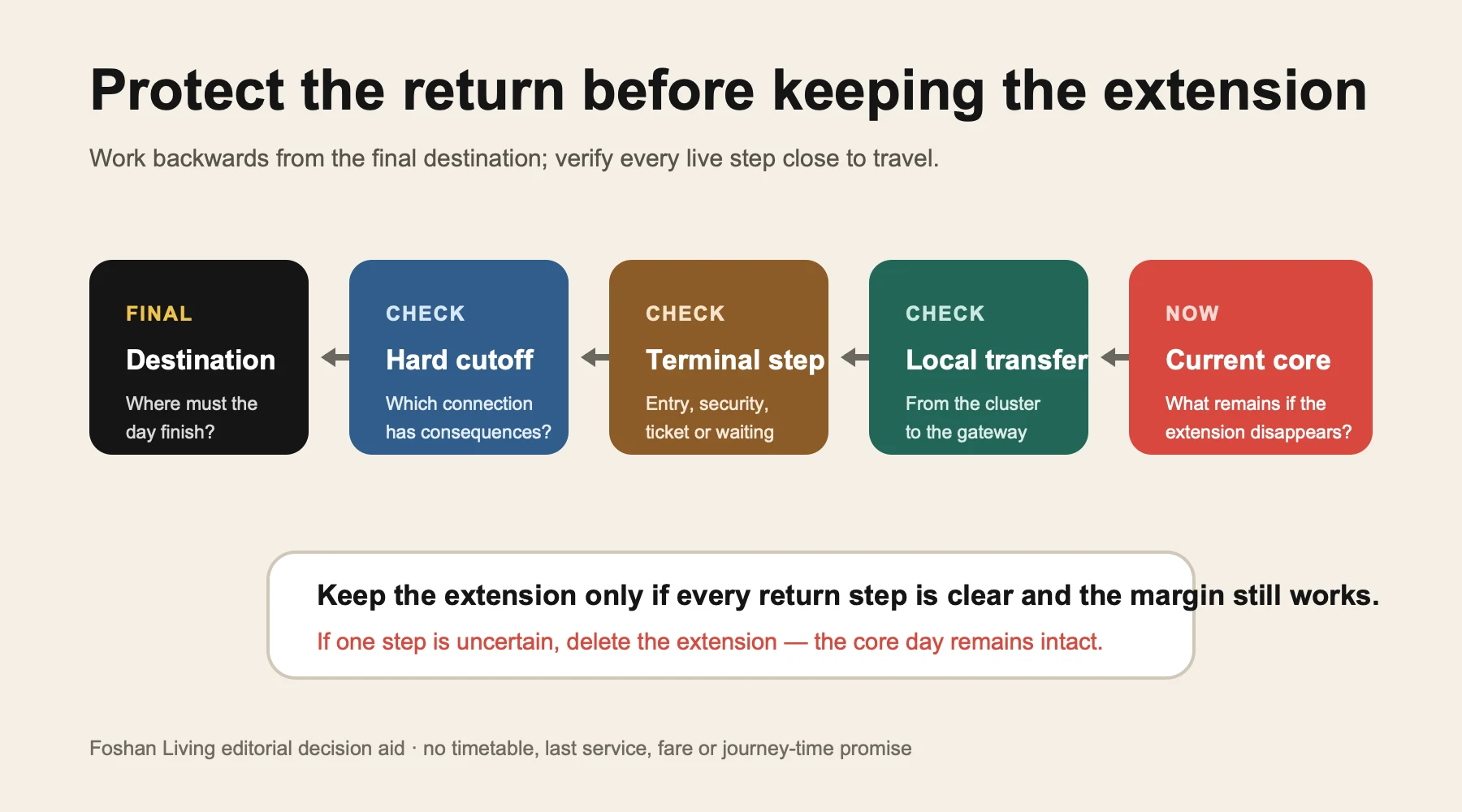
Write the return journey backwards:
- the final destination you must reach;
- any train, coach, flight or appointment with a hard cutoff;
- the station, terminal or pickup point before it;
- the local transfer from the core cluster;
- the walk, exit, security, ticket or waiting steps inside that chain.
Then identify which parts are live. Foshan Metro can show current network and service information, but a network diagram does not prove the walk from a venue to the correct entrance. Guangzhou South is a multi-mode gateway, but reaching the station is not the same as reaching the correct departure area with enough time.
Build the buffer around consequences. A visitor returning to a nearby hotel has more flexibility than someone connecting to a reserved intercity train. Weather, luggage, children, step-free routing and unfamiliar payment or ticket systems can all increase the margin needed.
Do not publish or rely on one universal “leave by” time. Check the complete chain on the day.
Use blocks instead of a fixed timetable
A fixed timetable pretends that walking, entry, queues, meals and attention are predictable. A block plan is more honest.
Use five blocks:
- Arrival block: reach the exact cluster and confirm the correct entrance.
- Core block: spend the strongest part of the day on the main subject.
- Pause block: eat, rest and decide whether the core needs more time.
- Extension block: keep it only if live conditions and energy still support it.
- Return block: start the complete journey back before the fragile point.
The pause block is a decision point, not dead time. Ask:
- Have we understood the core, or only photographed it?
- Has any live change reduced the remaining window?
- Is everyone still comfortable?
- Does the extension add a new subject?
- Can we still remove it without losing the return margin?
This method remains useful even when the exact venue changes. That is what makes it evergreen.
Apply the method to Chancheng
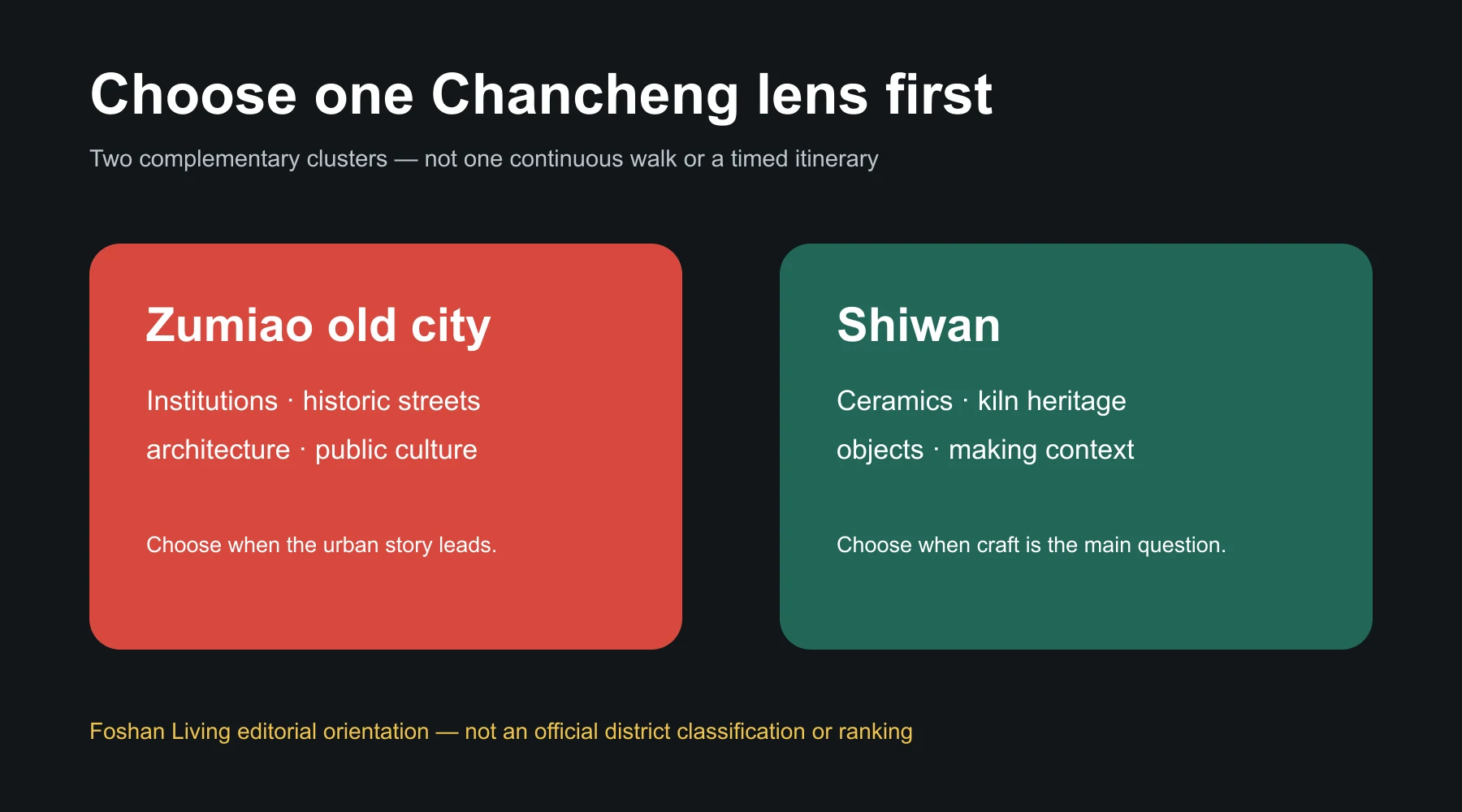
Chancheng demonstrates why a district name is still not a complete day. Zumiao old city and Shiwan are complementary cultural areas, but they are not one continuous visitor cluster.
If Zumiao old city is the core
Use the area to ask how institutions, historic streets, public culture and contemporary city life relate. A named operator such as the Foshan Ancestral Temple Museum can serve as a live-check anchor, but no performance, hall or opening state should be assumed.
The core day remains coherent without a performance. Architecture, public space, exhibition context and the surrounding urban fabric can still support the subject where current access permits.
Shiwan may be considered as the removable extension only after checking the full transfer and return. Do not label it a quick walk from the old-city core.
If Shiwan is the core
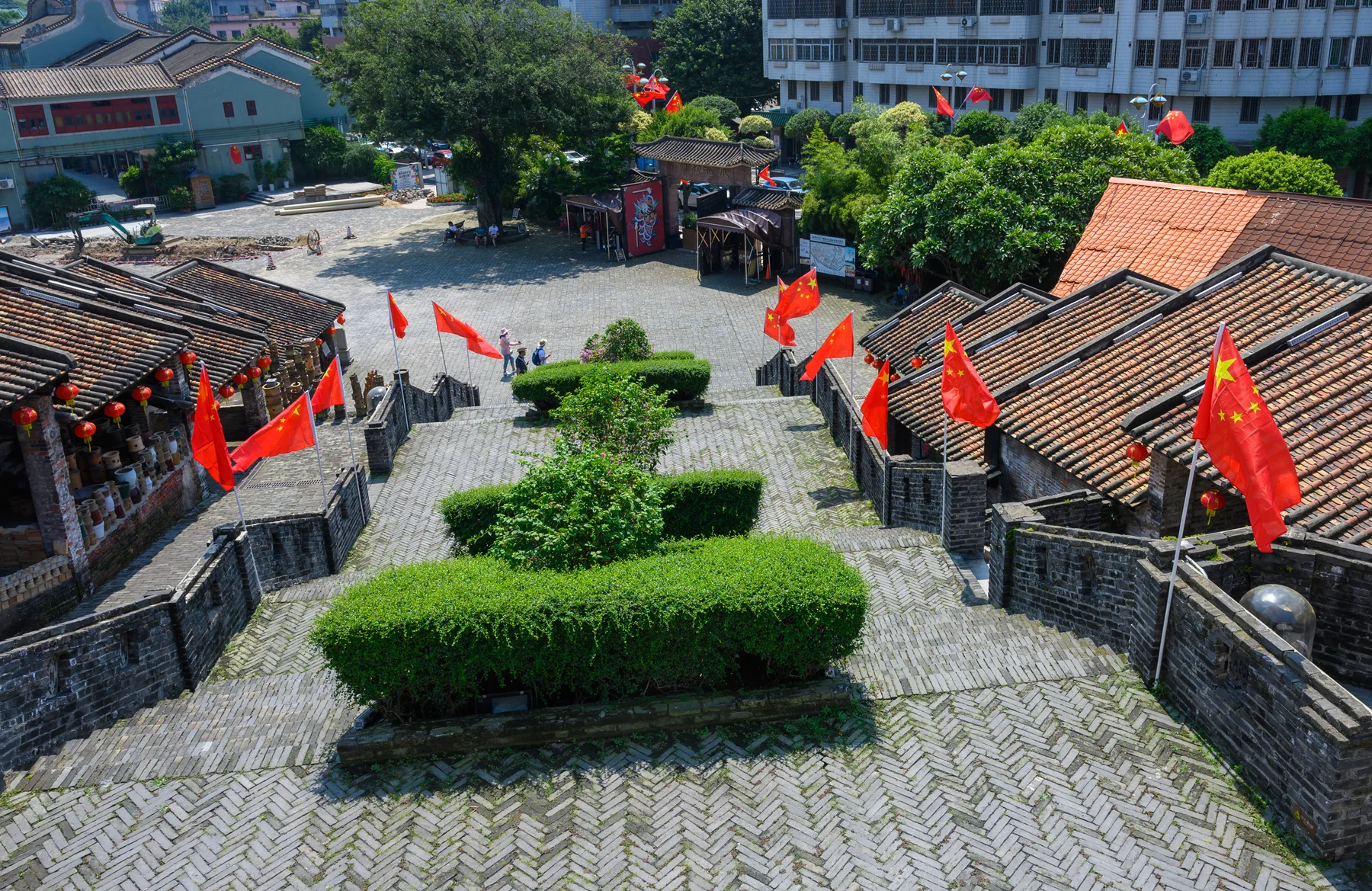
Use the area to ask how ceramics connect material, making, kiln history, display and neighbourhood identity. The Guangdong Shiwan Ceramics Museum and other responsible operators provide current check points, but workshops, firing activity, exhibitions and services are not permanent promises.
.jpg)
Zumiao old city may be the extension, but it should disappear first when the day starts late, the group needs more rest or the return chain becomes tight.
The detailed choice belongs in Zumiao Old City or Shiwan. This page only demonstrates how a core and extension behave.
Apply the method to Daliang
Daliang offers a different pattern. It is one distinct area within Shunde, not shorthand for the entire district.
A garden operator such as Qinghui Garden can provide a named anchor for live verification. Around that anchor, the day can be organised through street observation, a pause and one shared meal. A currently verified working market or another local layer may become the removable extension when it genuinely supports the same purpose.
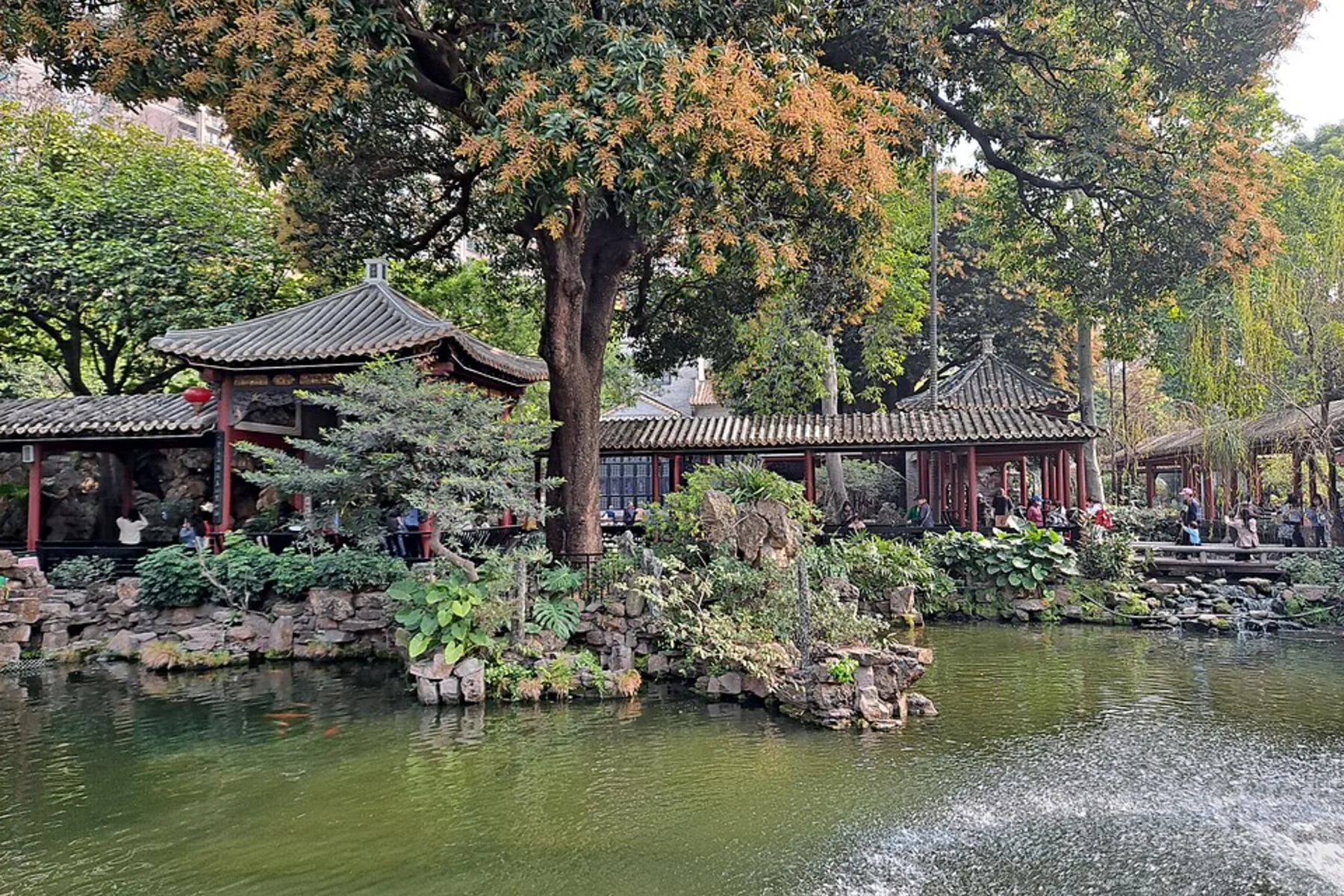

The method does not require a restaurant checklist. A meal is a time and social block before it is a list of businesses. Current restaurants, queues, menus, prices and opening belong outside an evergreen page.
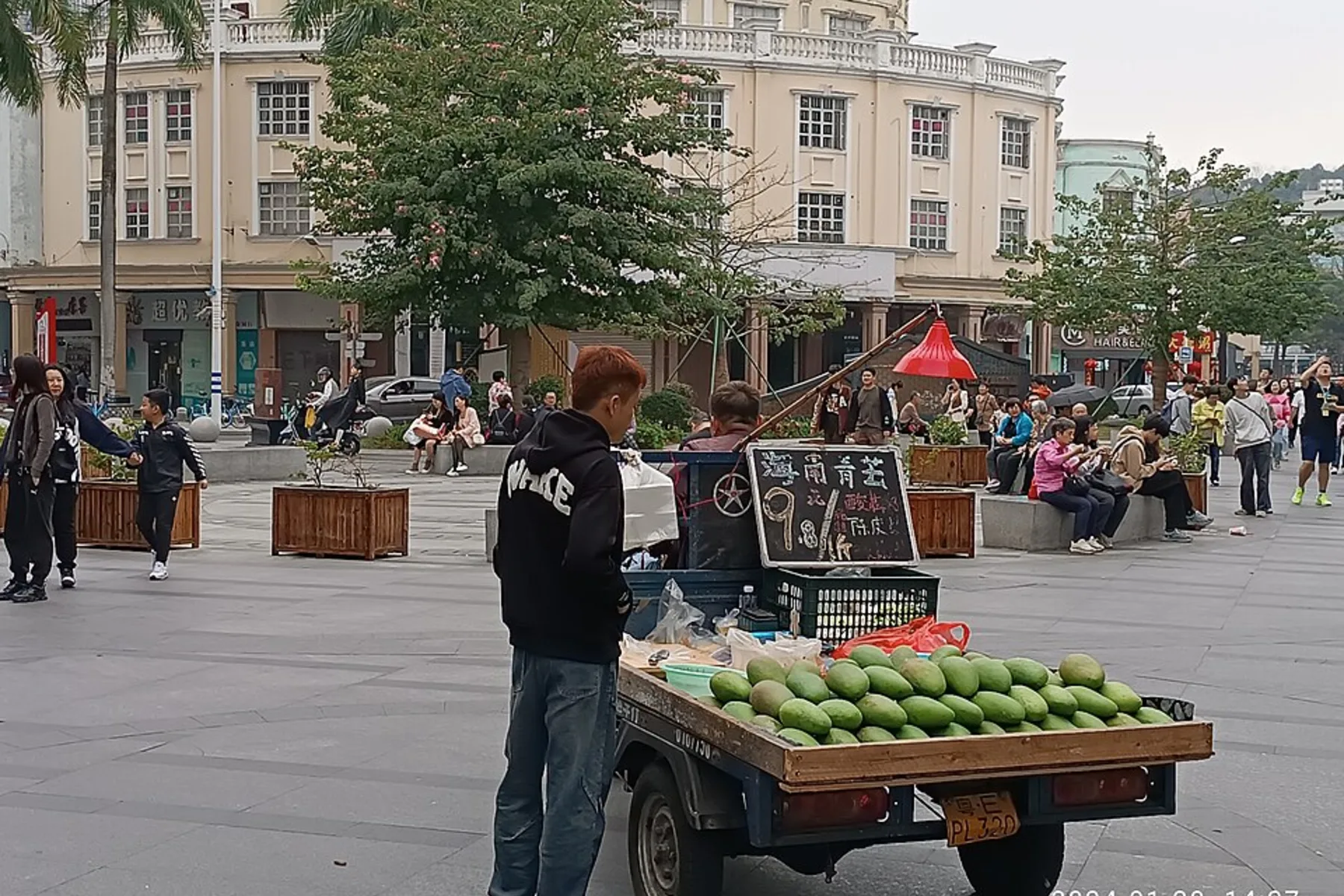

Nor does the method promise that every street, market or park remains available. The dedicated Daliang guide owns those local details and should be checked only after it is accepted and current. Here, Daliang is simply evidence that a one-day plan can stay within one town-level area and still have more than one layer.
Know when not to add the extension
Delete the extension when any one of these conditions appears:
- the core starts later than expected;
- current entry or circulation changes require a new plan;
- the transfer is unclear;
- weather or crowd conditions increase effort;
- a meal, rest or accessibility need takes priority;
- the extension repeats the same subject without adding depth;
- the return chain has a hard cutoff;
- the group would experience the extension only as a hurried photograph.
Removing it is not a failed day. The extension was designed to absorb uncertainty.
If you repeatedly find that the extension feels essential, redefine the core. If two distant areas both feel essential, you probably have a two-day trip.
Run the live check last
Do not mix durable planning logic with facts that can expire.
After the structure is settled, check:
- the responsible operator’s current opening and closure notice;
- reservation, ticket and entry conditions;
- the exact Chinese destination name and address;
- photography, workshop or guided-visit rules;
- accessibility from arrival point through the intended visit;
- current transit network, station, exit and service state;
- temporary road, weather, event or crowd controls;
- the full return chain.
Keep a screenshot or note for personal travel, but do not assume it remains valid for a later visit. If an operator source conflicts with an old article or platform listing, use the current responsible operator for the operational decision.
Queues, prices, performance times and restaurant popularity are deliberately absent here. Their absence is a safety feature, not missing detail.
Keep one-day planning separate from the other guides
Use First Time in Foshan when you need arrival setup, payment, accommodation and a wider 2–3-day framework.
Use Foshan’s five districts when you have not yet chosen the district or local area.
Use the Chancheng decision guide after deciding that Chancheng will carry the day. Use the dedicated Daliang page after deciding that Daliang will carry it. Those pages can contain the next layer of local comparison without turning this citywide method into a long itinerary.
This separation keeps each page honest: city structure, one-day grammar and local-area detail are different reader tasks.
A one-page planning template
Complete these fields before adding saved places:
- Main purpose: What should the day help me understand?
- Core district and cluster: Which exact local area carries that purpose?
- Named live-check anchor: Which operator or address confirms the place?
- Core activities: Which two or three forms of attention belong here?
- Pause: Where in the structure will we eat, rest and reassess?
- Extension: What second lens can be removed as one block?
- Delete decision: What condition causes us to skip it?
- Return destination: Where must we finish?
- Fragile return step: Which connection or cutoff matters most?
- Live checks: Which operator and transport fields expire?
- Fallback: What can we still do within the core if one venue changes?
If the page contains more than one core cluster, rewrite it. If the extension cannot be deleted, it is part of the core or it belongs on another day.
Continue planning Foshan
Start with the First Time in Foshan guide for the wider visit, then use Foshan’s five districts to reduce the city to a workable area. If Chancheng is your choice, choose Zumiao old city or Shiwan before checking current operators and transport.
About the author
Priya Nair writes Foshan Living’s area, route and first-visit guides. She focuses on making multi-centre cities understandable without turning changeable operations into permanent promises. See all articles by Priya Nair.
Image credits and disclosures
- hero.webp Foshan Living’s editorial framework keeps one local cluster as the core, makes one extension removable and protects the full return. It is not a map, timetable or official route. Priya Nair / Foshan Living · Original vector infographic created for this article; editable SVG retained
- body-01-zumiao-station.webp This dated view documents one street-level arrival context around Zumiao Station. It does not confirm the current exit, service, route, accessibility or nearby business operation. Nissangeniss · CC BY-SA 4.0; cropped, resized and converted to WebP · CC BY-SA 4.0
- body-02-zumiao-street.webp A dated street-level view near Zumiao Station shows public context beyond a single venue pin. It does not define a historic-area boundary or confirm current businesses and walking conditions. xiquinhosilva · CC BY 2.0; cropped, resized and converted to WebP · CC BY 2.0
- body-03-shiwan-kiln.webp Nanfeng Kiln provides one real Shiwan setting where architecture and ceramic-production history meet. This dated photograph does not confirm current access, firing, workshops, ticketing or visitor conditions. xiquinhosilva · CC BY 2.0; resized and converted to WebP · CC BY 2.0
- body-04-qinghui-garden.webp Qinghui Garden is one real Daliang anchor for a bounded day. This dated photograph does not confirm current opening, ticketing, entrance, route, accessibility or crowd conditions. EditQ · CC BY-SA 4.0; cropped, resized and converted to WebP · CC BY-SA 4.0
- body-05-huagai-road.webp This January 2024 view records one public-street context in Daliang. It is not a stall or restaurant recommendation and does not confirm current trading, opening or crowd conditions. Lau Hau Yatyue Tiger · CC0; cropped, resized and converted to WebP; attribution retained as editorial provenance · CC0
- body-06-return-decision.webp Foshan Living’s decision aid works backwards through the local transfer, terminal step, hard cutoff and final destination before keeping an extension. It contains no timetable, last service, fare or journey-time promise. Priya Nair / Foshan Living · Original vector infographic created for this article; editable SVG retained


Keep exploring
Related Foshan guides
 Explore Foshan
Chancheng or Shunde: Where Should You Start in Foshan?
Choosing between Chancheng and Shunde for a first Foshan trip? Compare heritage, food, neighbourhood pace, transport planning and where to stay.
 Explore Foshan
Understanding Foshan: A City of Five Districts
Learn how Foshan’s five districts differ, which areas suit culture, food, urban life or nature, and why every short trip needs a specific local base.
 Explore Foshan
Zumiao Old City or Shiwan: How to Choose Your Chancheng Day
Compare Zumiao old city and Shiwan, choose one main Chancheng cluster, and add the other only after checking the complete route and current access.
 Explore Foshan
Chancheng: Foshan’s Historic Urban Core
Understand Chancheng through the Zumiao old city and Shiwan’s ceramic heritage, with guidance on walking scale, transport checks and where to base.
Plan your visitFirst Time in Foshan
Build a first trip around districts, transport, food and one deeper cultural interest.