Explore Foshan
Understanding Foshan: A City of Five Districts
Foshan is a multi-centre city of five districts. This guide explains the role of each district and helps readers choose a practical first area.

On this page
- Why Foshan needs a multi-centre mental map
- Use three levels of planning
- Understand what each district can add
- Chancheng: a heritage-first urban introduction
- Nanhai: choose a specific centre
- Shunde: plan by town
- Gaoming: choose a purpose-led slower trip
- Sanshui: separate the centre from town-based routes
- Choose a district by your actual purpose
- Match the plan to the time available
- With one day
- With two or three days
- For a repeat visit
- Choose a base from the last important activity
- Build clusters instead of collecting district names
- Verify the live layer before travelling
- Continue planning with live Foshan guides
- About the author
Foshan has five districts—Chancheng, Nanhai, Shunde, Gaoming and Sanshui—but the district names are only the first layer of a useful plan. Each contains more specific towns, subdistricts and local centres. A hotel can be in the correct district and still be inconvenient for the place where your day ends.
For a short first visit, consider Chancheng for a heritage-led introduction, one Shunde town for food and local life, or a specific Nanhai area for either contemporary urban space or a mountain-and-culture day. Consider Gaoming or Sanshui when a defined nature, water, family or local-town purpose leads the trip.
Those roles are Foshan Living editorial orientation, not official rankings. The durable planning sequence is district → local area → exact address.
Why Foshan needs a multi-centre mental map
The five district governments establish the administrative structure. Visitor experience, however, happens at a finer scale: around an old-city area, a town centre, a ceramic district, a mountain landscape, a wetland, a factory address or a family home.
This explains several common planning errors. “Stay in Shunde” does not answer whether the relevant town is Daliang, Ronggui, Beijiao or Lecong. “Visit Nanhai” does not decide between Guicheng and Xiqiao. “See Sanshui” does not show whether the day begins in the central urban area or a northern town.
The solution is not to memorise every local name. It is to avoid treating an administrative boundary as a walking radius.
Use three levels of planning
- District: choose the broad part of Foshan that matches the purpose.
- Local area: identify the town, subdistrict or visitor cluster containing the main activity.
- Exact address: confirm the entrance, last-mile connection and return.
The first level helps you understand the city. The second makes a coherent day possible. The third prevents a map label from hiding the route you actually need.
Understand what each district can add
Chancheng: a heritage-first urban introduction
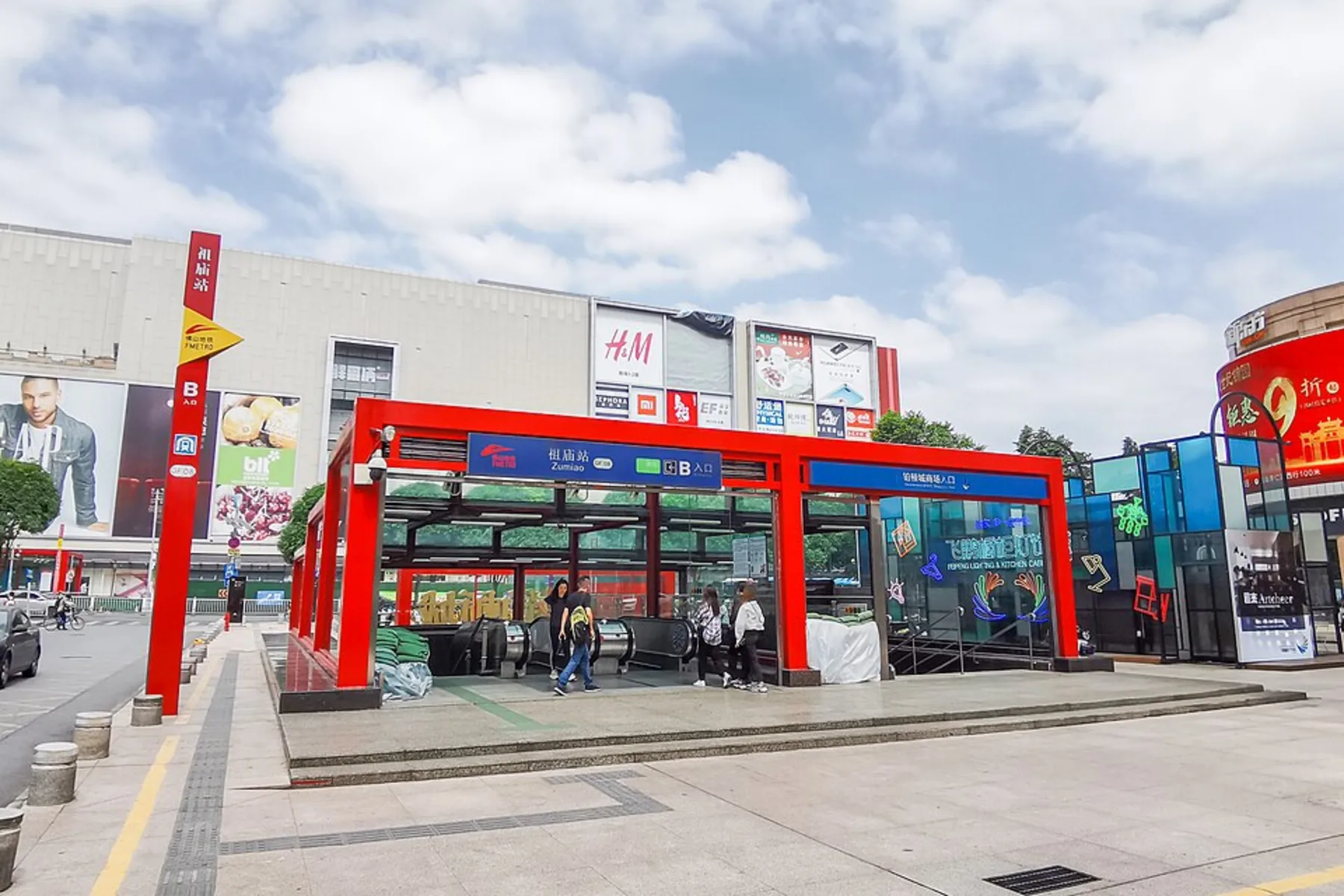
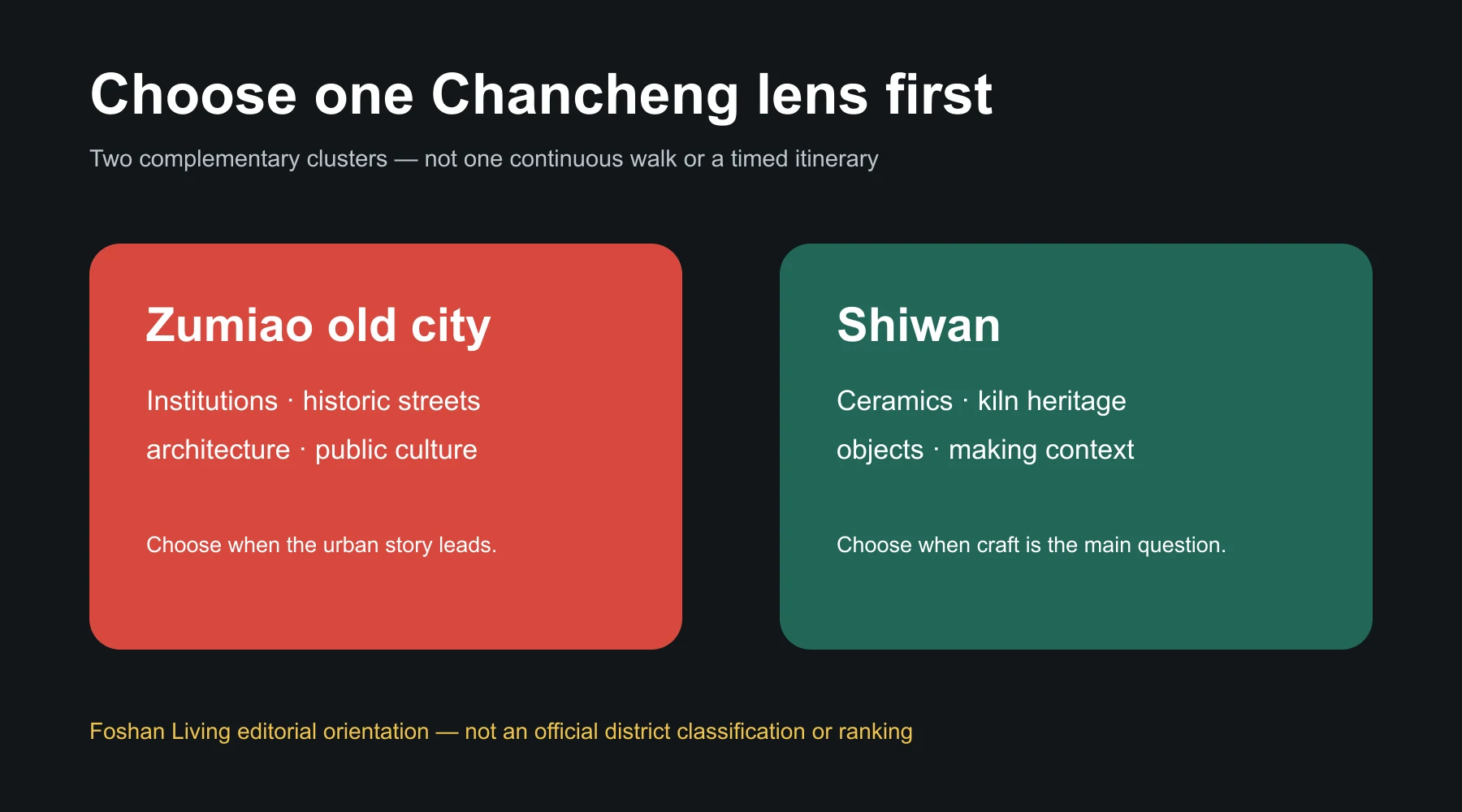
Chancheng is a useful first choice when the main question is, “What cultural ideas make Foshan distinctive?” The Zumiao old-city area brings religious architecture, folk culture, martial-arts memory and historic urban fabric into one local frame. Shiwan changes the subject toward ceramics, kilns and making.
That concentration makes Chancheng practical for cultural orientation, but it is not the whole of Foshan. It cannot stand in for Shunde’s town structure, Nanhai’s multiple centres or the landscape-led possibilities farther west and north.
Even here, plan by cluster. Zumiao and Shiwan complement one another but are not one uninterrupted heritage walk. If martial-arts memory is part of the reason for choosing central Foshan, first read the evidence boundaries in Foshan Kung Fu.

Nanhai: choose a specific centre
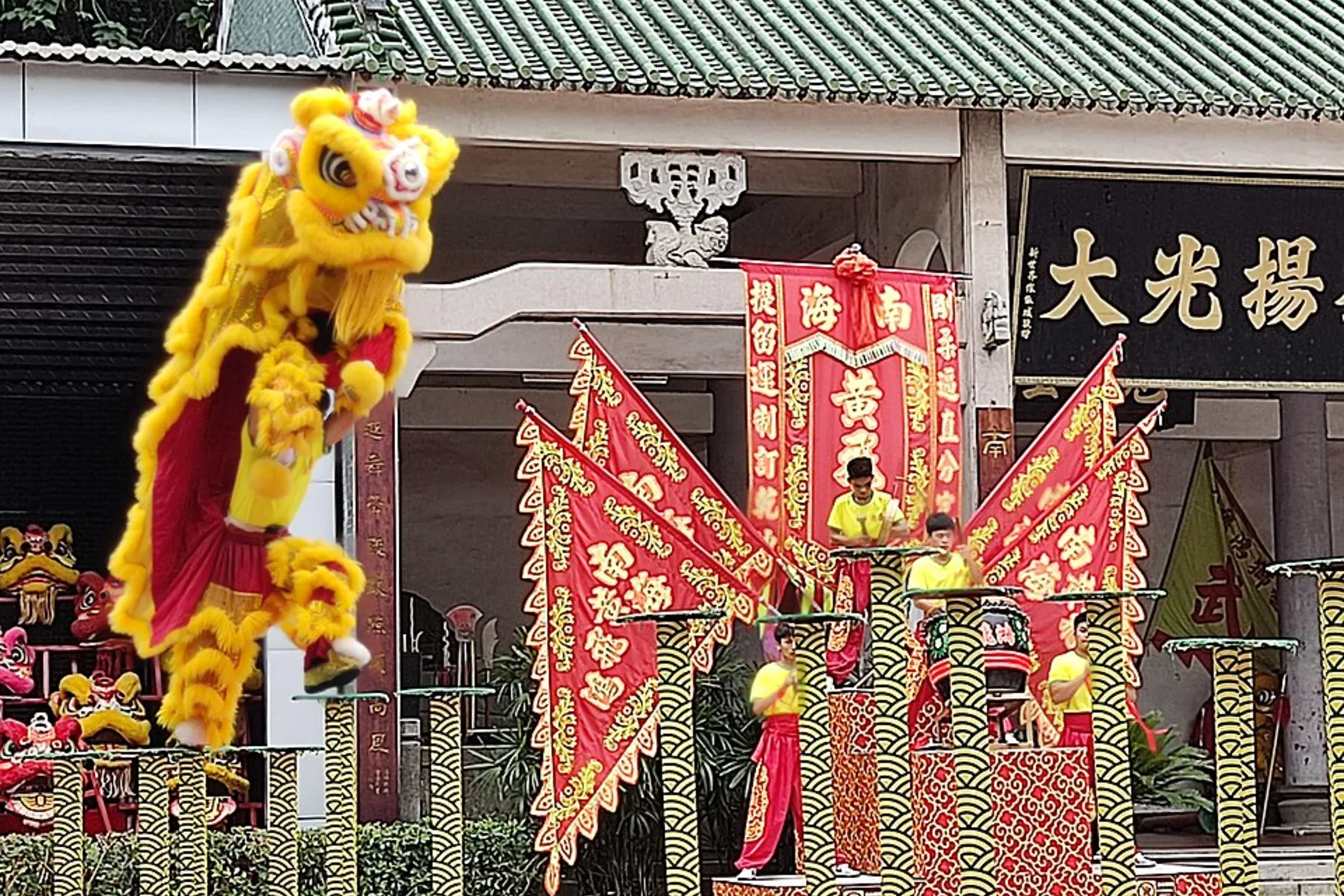
Nanhai resists a single visitor label. Guicheng supports an urban reading of public space, commerce, neighbourhoods and Guangzhou–Foshan connections. Xiqiao supports a separate mountain-and-cultural-landscape plan. Other towns, industrial areas and specific destinations require their own address-led research.
“Urban Guicheng” and “cultural-landscape Xiqiao” are useful starting contrasts, not complete identities. Guicheng also contains local and cultural layers; Xiqiao is a lived town, not a scenic set.
Choose between Guicheng and Xiqiao as two different planning directions without freezing a transfer time or current venue operation.

Shunde: plan by town
Shunde is often reduced to food, but food itself is organised through towns, markets, neighbourhoods, production knowledge and shared-table habits. Daliang, Ronggui, Beijiao, Lunjiao, Leliu, Chencun, Lecong, Longjiang, Xingtan and Jun’an are separate town or subdistrict choices.
Daliang can be a useful first cultural and food base. Ronggui offers another urban and industrial context. Beijiao may matter for modern industry and design, while Lecong may matter for furniture or a business purpose. Other towns support their own water-town, craft, production and community threads.
These are editorial starting points, not permanent town brands. Never assume a restaurant, factory, garden or service is open because a town is associated with it. For the food layer, begin with Shunde Food for First-Timers and then resolve every meal to a current address.

Gaoming: choose a purpose-led slower trip
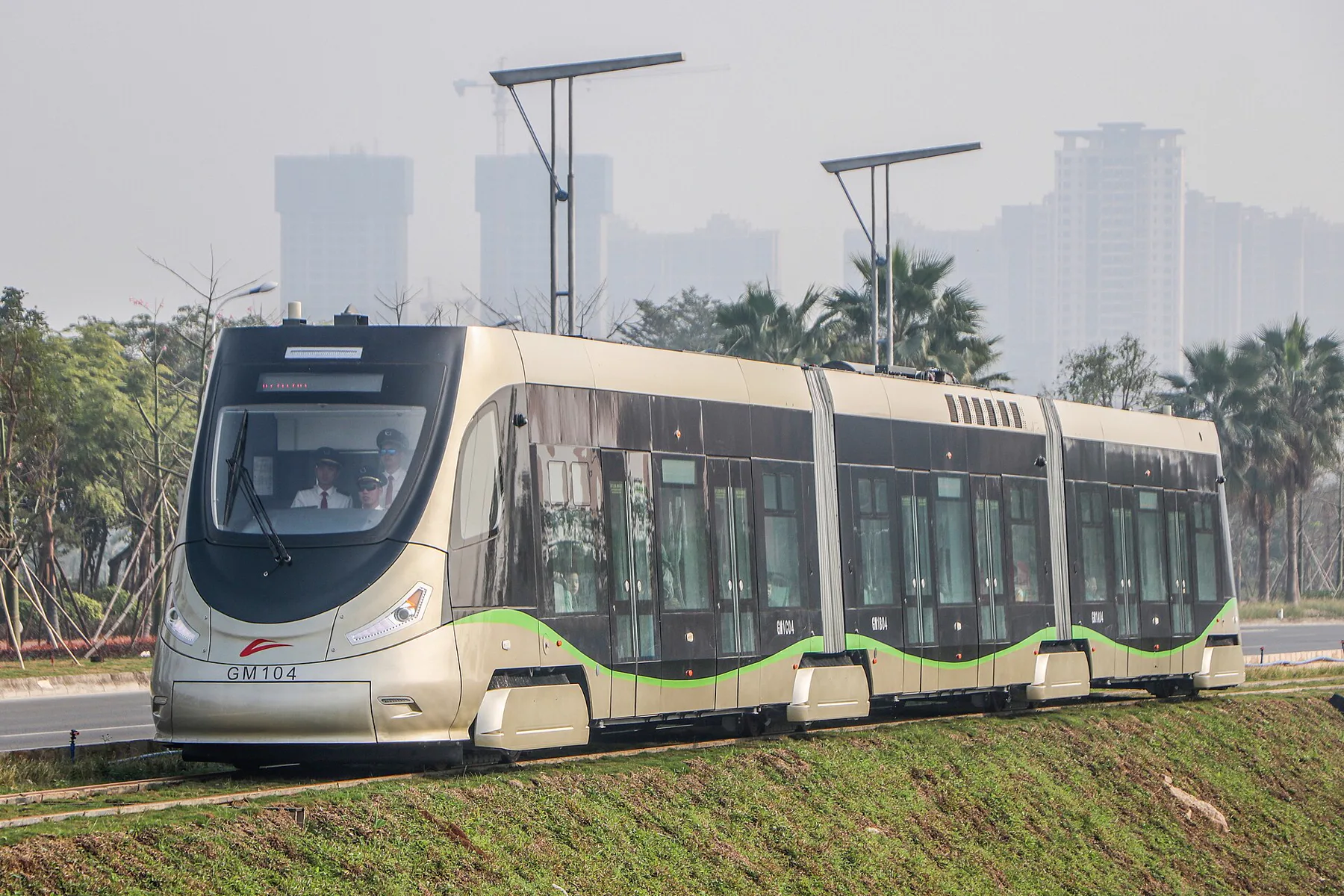
Gaoming works best in a citywide guide as a purpose-led choice rather than a general add-on. A visitor may be drawn by mountain, countryside, ecological or outdoor themes. Hecheng can provide an urban reference point, while a named nature destination requires its own arrival, weather and safety plan.
This does not mean that all of Gaoming is rural or that every visitor needs a car. It means a broad district label is not enough to promise a route. Identify the exact destination, decide whether the day is urban, rural or outdoor, then verify the full chain.

Sanshui: separate the centre from town-based routes
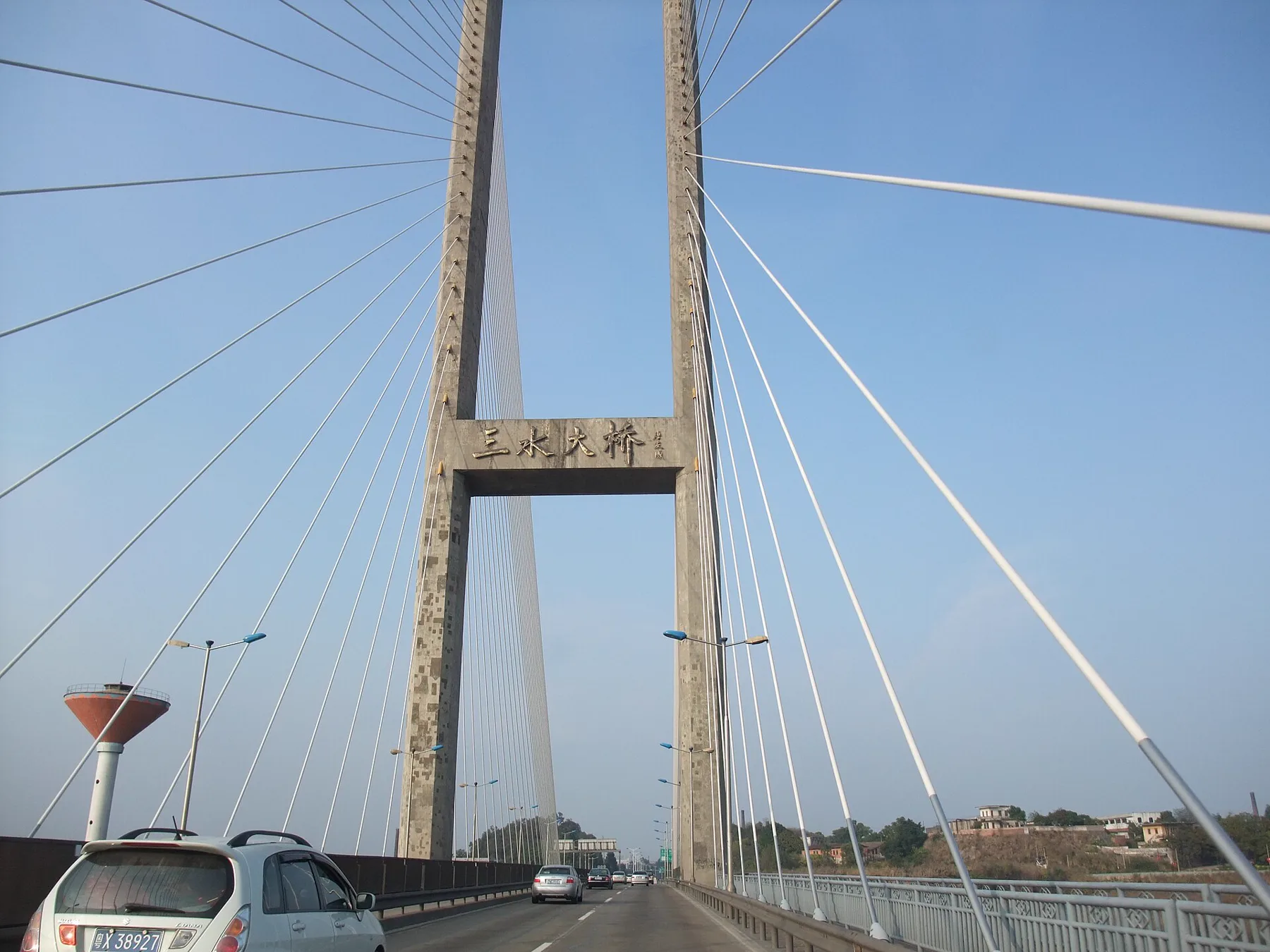
Sanshui can support river, wetland, park, family, archaeology and town-culture interests, but those themes do not occupy one compact zone. Xinan and Yundonghai can form one starting context; Lubao, Leping and other towns require separate planning.
The important distinction is between a central-area day and a town-specific route. A water or wetland theme does not prove that every path is open, accessible or suitable in all conditions. A festival association does not prove that an event runs on your dates.
Treat Gaoming and Sanshui as two separate outer-district methods rather than combining their destinations into one generic route.

Choose a district by your actual purpose
Use the following questions instead of asking which district is “best”:
- First cultural orientation: Does a Chancheng old-city or Shiwan cluster answer the question?
- Food and town life: Which Shunde town contains the meal and surrounding experience?
- Contemporary urban Foshan: Is Guicheng the relevant urban environment, or is another exact address more important?
- Mountain or cultural landscape: Does Xiqiao fit the subject and full-day rhythm?
- Nature, countryside or water: Which named Gaoming or Sanshui destination leads the trip?
- Business or family visit: What is the exact appointment or home address?
The final question overrides every editorial theme. A factory meeting, hospital visit, sports venue or family commitment should control the base and route.
Also separate the subject of the trip from the place used for sleeping. You may visit one district for a daytime cultural subject while staying in another area that better serves an evening commitment or onward journey. That is not a contradiction. District identity helps explain the city; accommodation and transport decisions must still follow the real sequence of addresses.
Match the plan to the time available
With one day
Choose one coherent local area. A Chancheng heritage cluster, one Shunde town, Guicheng, Xiqiao or a named nature destination creates a clearer day than collecting multiple district names.
Make one activity essential and one nearby layer optional. This leaves time for meals, wayfinding and the return. “Nearby” must be tested with the actual entrances and current route, not straight-line distance.
With two or three days
Combine different roles instead of repeating the same activity at greater distance. One day might explain heritage in Chancheng; another might focus on a Shunde town. A third can follow an urban, landscape or nature interest in Nanhai, Gaoming or Sanshui.
There is no need to cover all five districts. A two-day visit remains complete even if it uses only two local areas.
For a repeat visit
Move beyond the most recognisable entry points. Choose a town, craft, landscape, industry or community subject you did not explore before. Repeat visits are where the city’s multi-centre structure becomes an advantage rather than an inconvenience.
Choose a base from the last important activity
Accommodation should follow the places that matter at the beginning and end of the day. A hotel marketed as “central Foshan” may be central to an administrative map but poorly placed for your final meal, performance or appointment.
Use full addresses for the hotel and the last essential activity. Check the evening return, the correct station exit and the walk from transport to the entrance. If the itinerary covers two very different centres, consider whether changing the order—or the base—removes unnecessary travel.
This guide does not rank hotels or preserve current availability. It provides the decision logic that should come before a booking.
If two candidate bases seem similar, compare the complete morning departure and evening return rather than the distance to a district boundary. Include the correct entrance, transfers, final walk and the possibility that a late activity ends after a preferred connection. Recalculate with current information before payment.
Build clusters instead of collecting district names
A cluster is Foshan Living’s editorial term for activities that share a practical local base and a coherent subject. It may be an old-city area, a town centre, a mountain landscape or a wetland-and-park context.
Build one by following four steps:
- Name the main experience.
- Resolve it to a local area and exact entrance.
- Add only activities that fit the same subject and workable route.
- Confirm the return before treating the cluster as complete.
Administrative boundaries may be useful background, but they do not determine ticketing, walking conditions or transfer simplicity. Different transport systems may also use separate fares, gates and rules even when a map shows a connection.
Verify the live layer before travelling
Use the district overview for stable orientation, then check:
- current venue opening, reservation and ticket information;
- the correct entrance and current map route;
- metro, intercity, bus or road service notices;
- last-mile walking, shuttle or taxi requirements;
- weather and safety notices for outdoor areas;
- the final return, especially after an evening activity.
Use Foshan Metro and the Foshan Transport Bureau as current official transport entry points, while venue-owned channels control venue operation. Do not convert today’s result into a permanent time promise.
Continue planning with live Foshan guides
Use only guides that are already published:
- First Time in Foshan for the citywide arrival and first-visit layer;
- Foshan Kung Fu for evidence-aware cultural context;
- Shunde Food for First-Timers for the food layer;
- all articles by Priya Nair for published area-planning guides.
The more detailed Chancheng, Nanhai, Shunde-town, Gaoming and Sanshui guides remain in the editorial pipeline. They should be linked here only after their own publication gates pass.
About the author
Priya Nair is Foshan Living’s Explore Foshan correspondent. She turns the city’s districts, towns and transport choices into practical area-first guides, with an emphasis on realistic routes and clear boundaries between evergreen advice and live travel information. See all articles by Priya Nair.
Image credits and disclosures
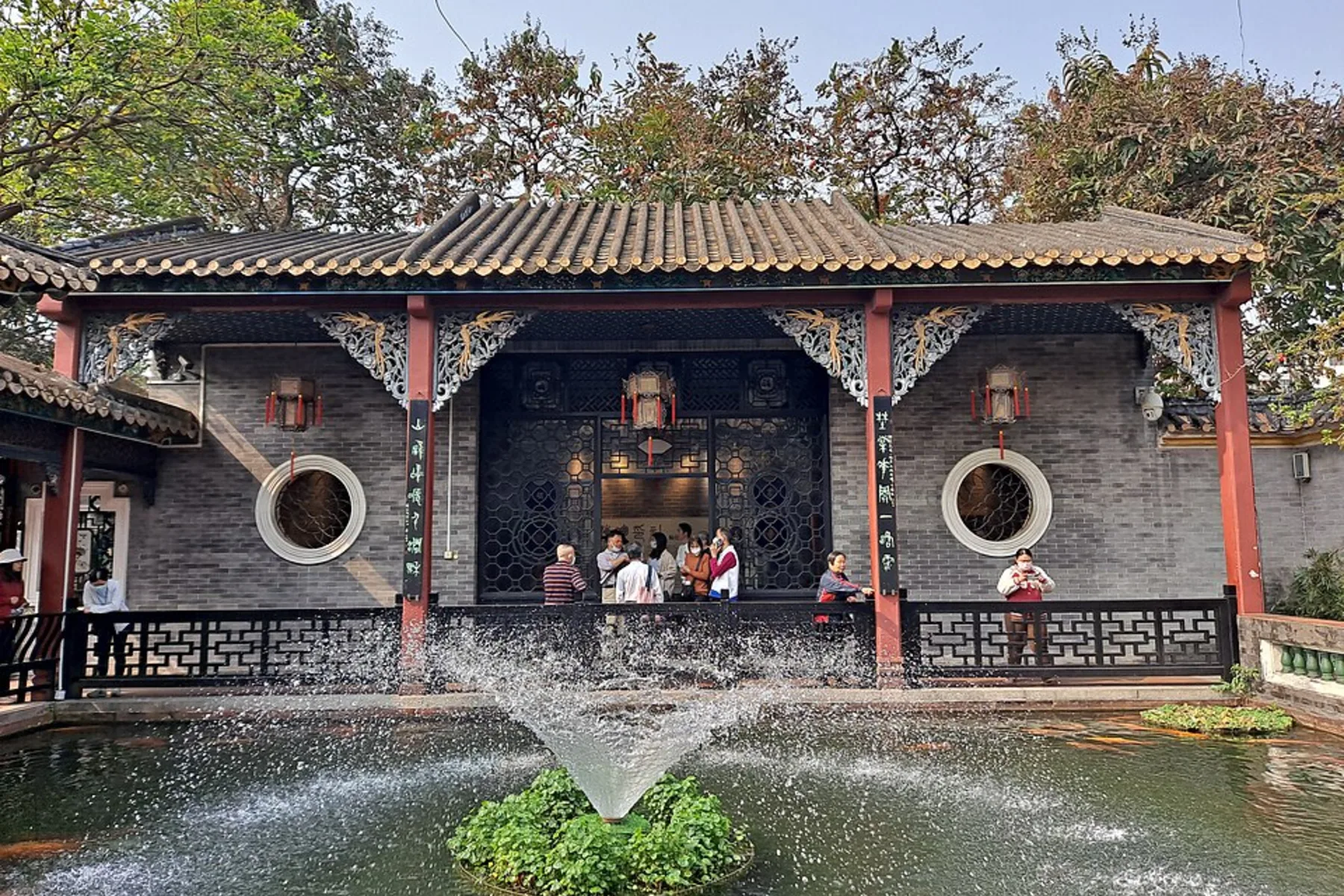
- foshan-five-districts-hero.webp Qinghui Garden is one real Shunde context within a five-district city. It does not stand for all of Foshan. EditQ · CC BY-SA 4.0; cropped and resized derivative · CC BY-SA 4.0
- body-01-chancheng.webp The Zumiao Station entrance provides one street-level Chancheng orientation point; the photograph does not promise a current route or exit condition. Nissangeniss · CC BY-SA 4.0; cropped and resized derivative · CC BY-SA 4.0
- body-02-nanhai.webp A documented Xiqiao lion-dance performance provides one Nanhai cultural context. It does not confirm a current programme or represent the whole district. Lukwo RuoShuma Simonz · CC BY-SA 4.0; cropped and resized derivative · CC BY-SA 4.0
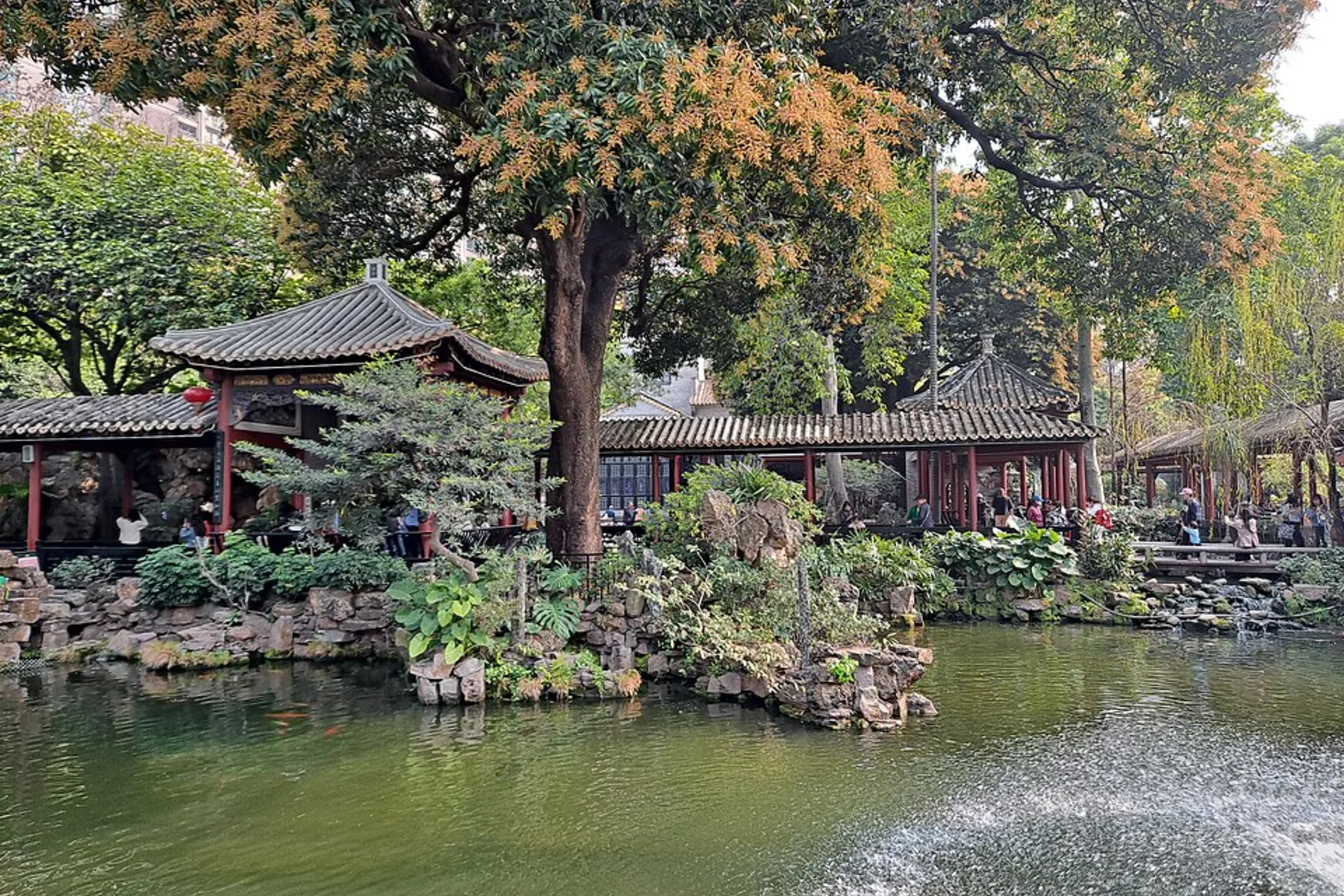
- body-03-shunde.webp Qinghui Garden is a real Daliang cultural anchor, not a visual summary of every Shunde town or a statement of current opening. EditQ · CC BY-SA 4.0; cropped and resized derivative · CC BY-SA 4.0
- body-04-gaoming.webp This 2020 photograph records one piece of Gaoming’s built and transport context. It does not confirm current operation, route, fare or frequency. Nissangeniss · CC BY-SA 4.0; cropped and resized derivative · CC BY-SA 4.0
- body-05-sanshui.webp Sanshui Bridge provides one documented river-crossing context in the district. It is not a route recommendation or evidence of current traffic conditions. 海中梁伟汉 · CC BY 3.0; cropped and resized derivative · CC BY 3.0

Keep exploring
Related Foshan guides
 Explore Foshan
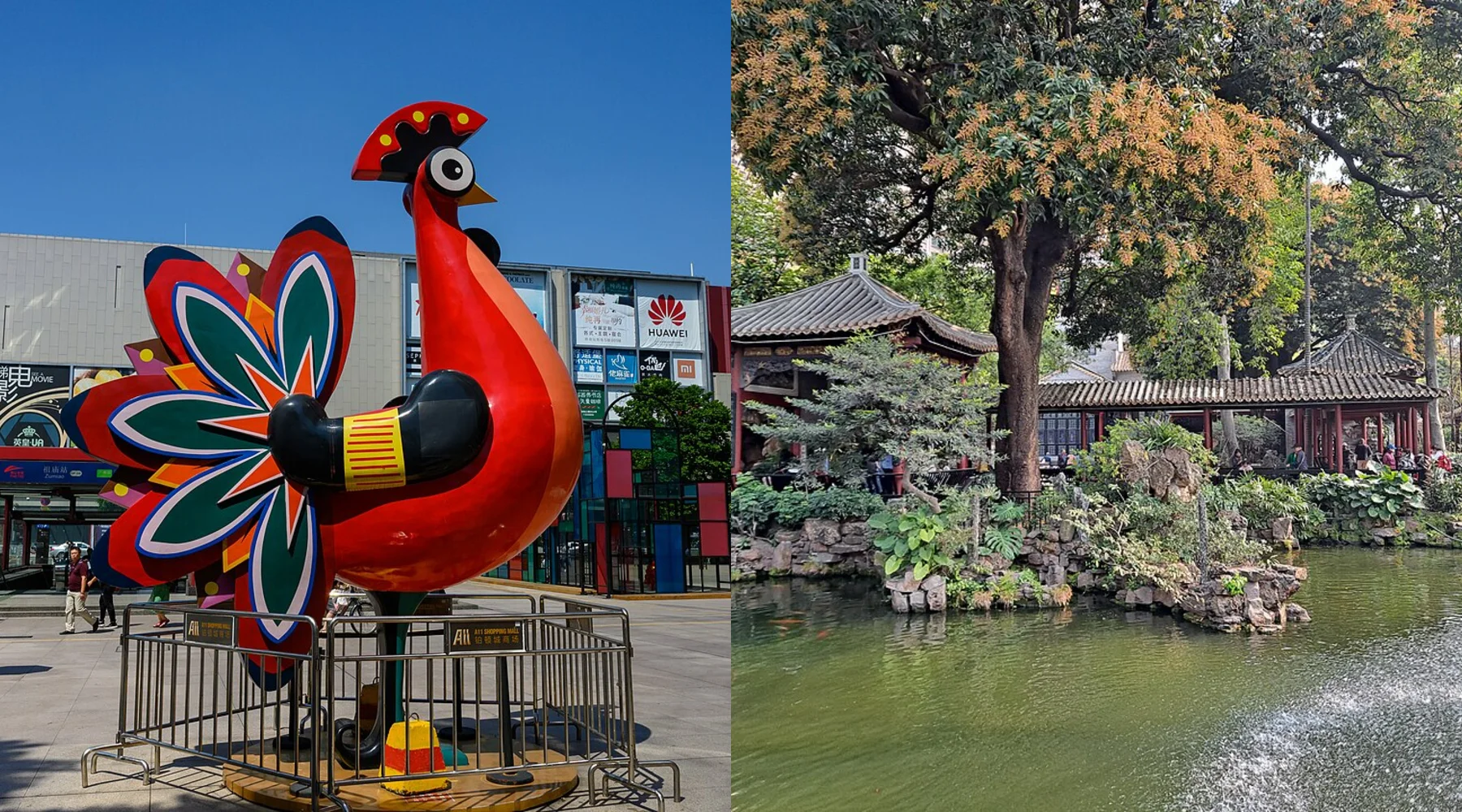
Chancheng or Shunde: Where Should You Start in Foshan?
Choosing between Chancheng and Shunde for a first Foshan trip? Compare heritage, food, neighbourhood pace, transport planning and where to stay.
 Explore Foshan
Zumiao Old City or Shiwan: How to Choose Your Chancheng Day
Compare Zumiao old city and Shiwan, choose one main Chancheng cluster, and add the other only after checking the complete route and current access.
 Explore Foshan
Chancheng: Foshan’s Historic Urban Core
Understand Chancheng through the Zumiao old city and Shiwan’s ceramic heritage, with guidance on walking scale, transport checks and where to base.
 Food & drink
Shunde Food for First-Timers: A Practical Ordering Guide
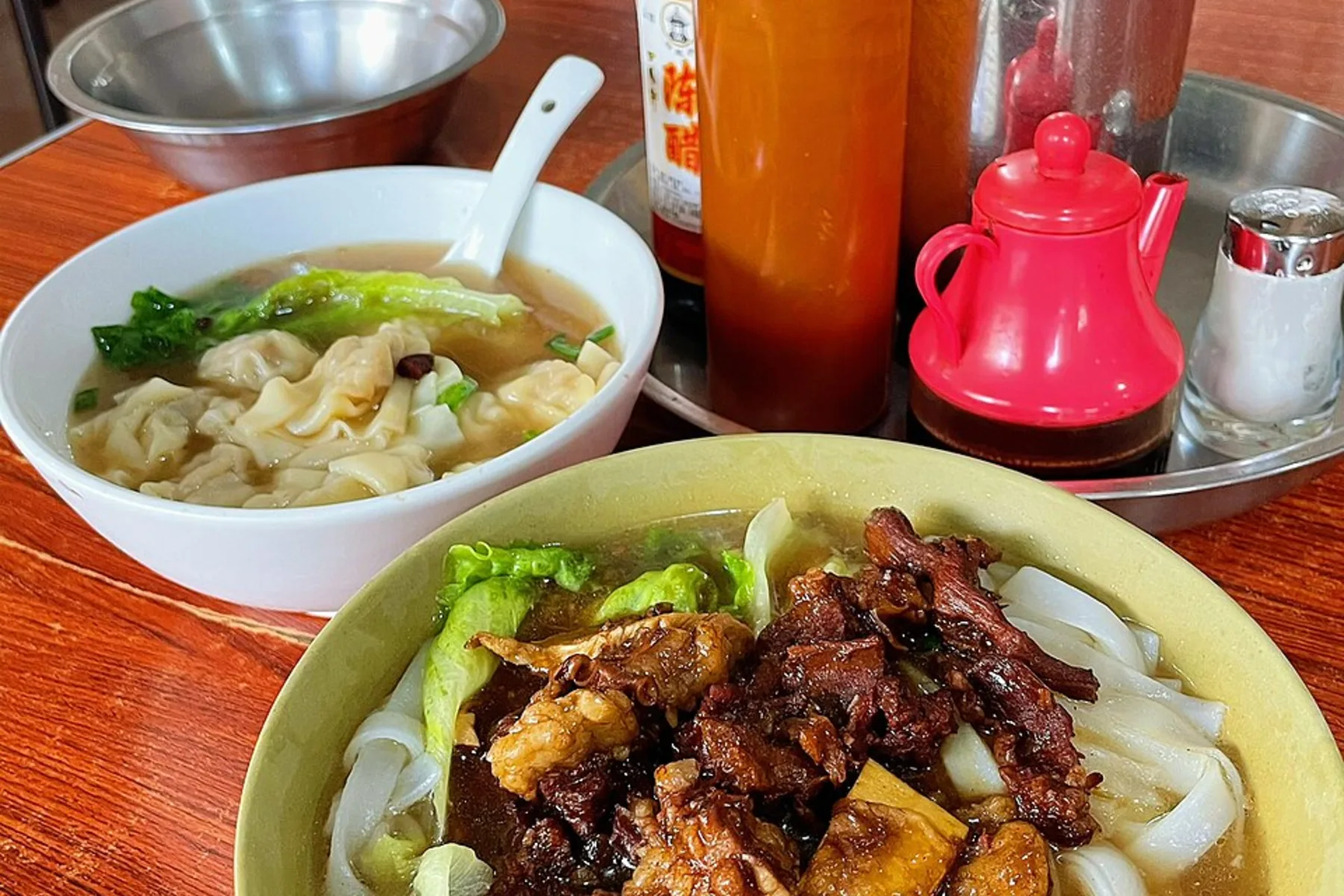
Learn how to order a balanced Shunde meal, understand fish, milk and rice dishes, ask about market prices, and avoid freshwater raw-fish risk.
Plan your visitFirst Time in Foshan
Build a first trip around districts, transport, food and one deeper cultural interest.