Explore Foshan
Chancheng: Foshan’s Historic Urban Core
Chancheng is Foshan’s heritage-first urban core. Learn how the Zumiao old city and Shiwan differ, and how to plan them without reducing the district to one landmark.

On this page
- Why Chancheng is a useful first cultural base
- What Chancheng cannot represent
- Read the Zumiao old city as a layered place
- Use the Ancestral Temple as an anchor, not the whole story
- Read gardens, streets and thresholds
- Treat Shiwan as a second cultural landscape
- Separate heritage context from a current workshop
- Look for the relationship between material and place
- Choose a realistic Chancheng day
- A Zumiao old-city day
- A Shiwan ceramics day
- A two-cluster day
- Plan walking, access and rest honestly
- Choose a Chancheng base from real addresses
- Verify the live layer before leaving
- Continue exploring Foshan
- About the author
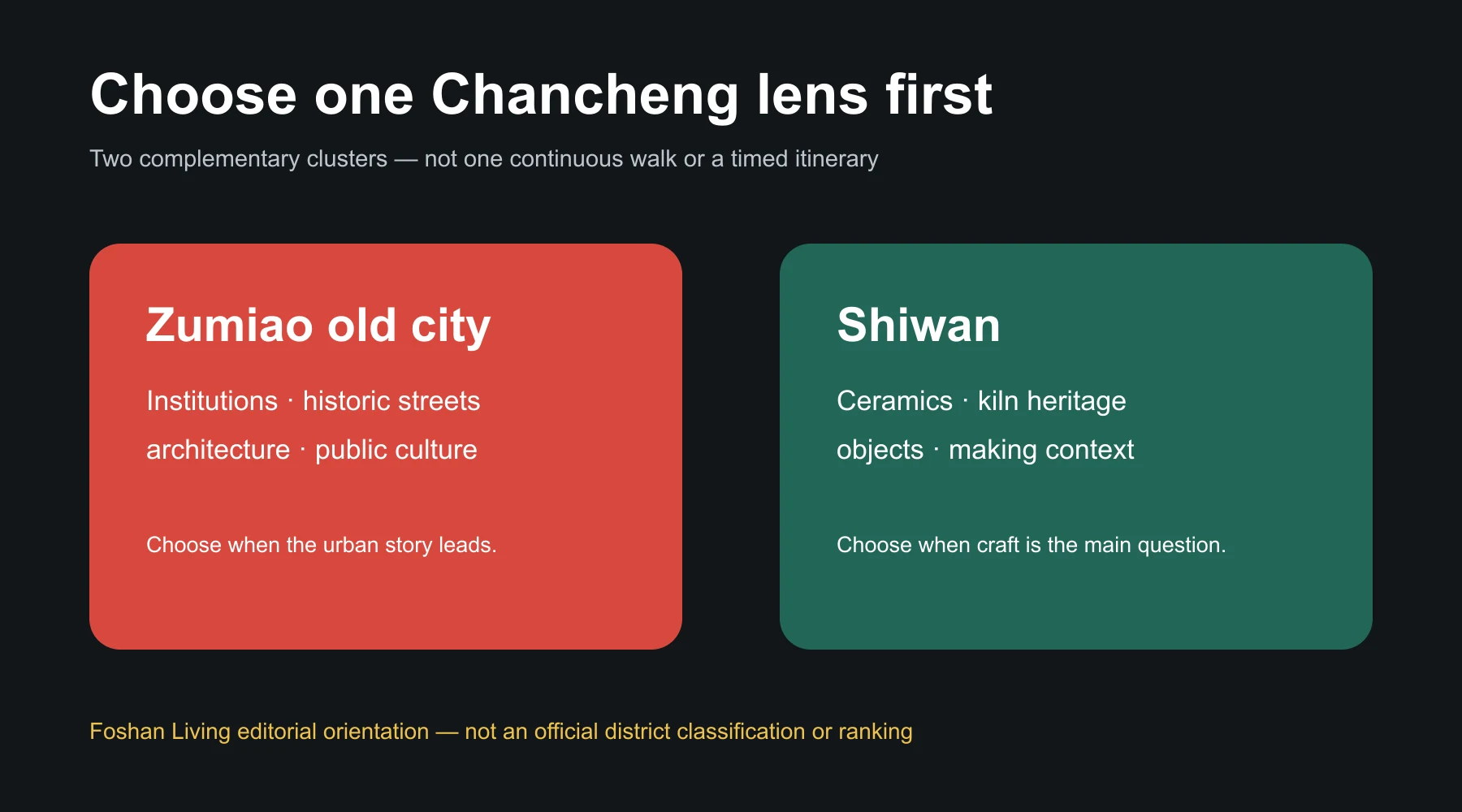
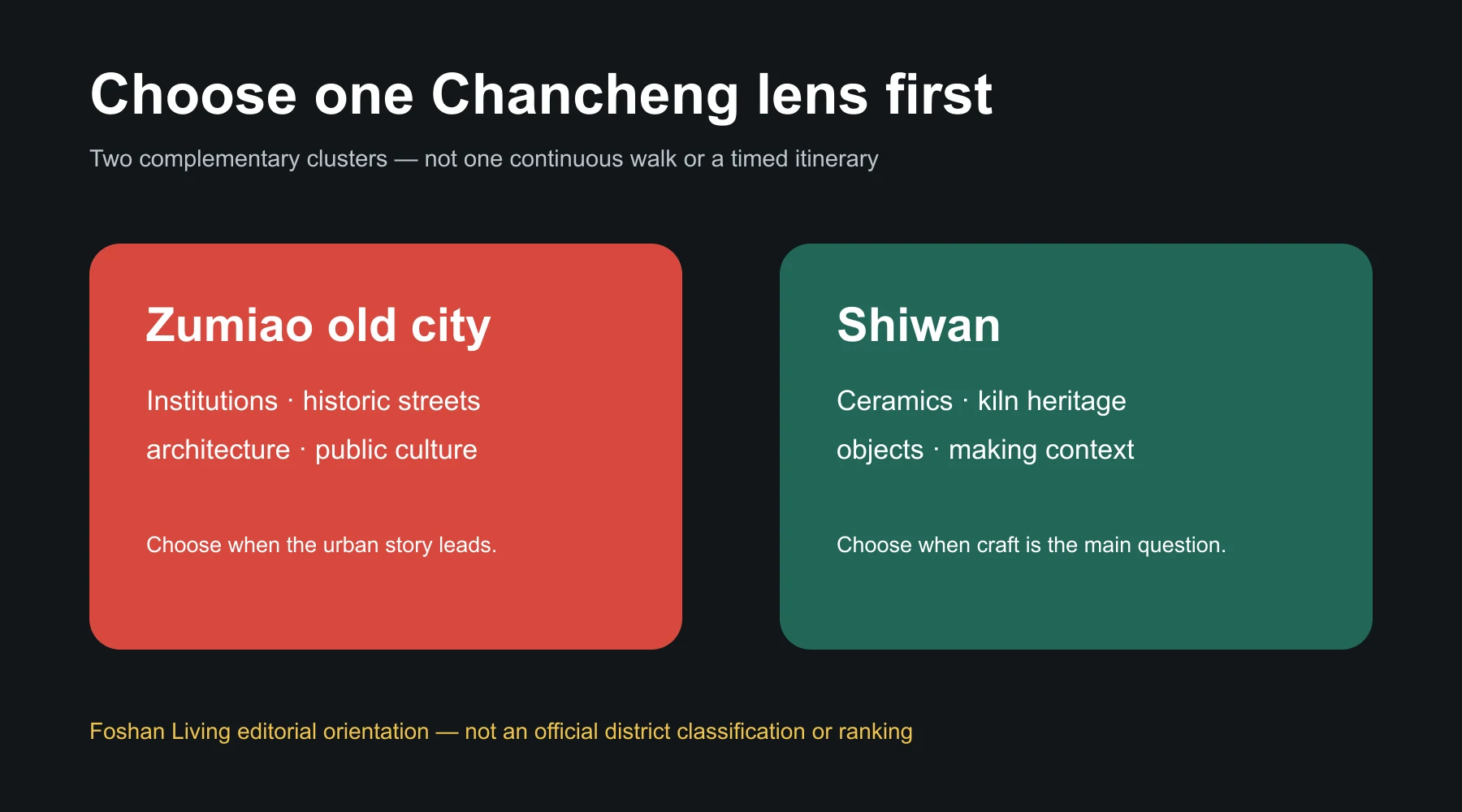
Chancheng is Foshan’s clearest heritage-first starting point, but it is not one attraction or one continuous old town. A useful first plan separates two cultural clusters: the Zumiao old city, where religious architecture, folk culture, martial-arts memory, gardens and lived streets meet; and Shiwan, where ceramics, kilns and making reshape the story.
“Historic urban core” and the two-cluster model are Foshan Living editorial orientation, not official administrative categories. Choose one cluster as essential, add the other only after checking the real route, and keep opening, tickets, performances and workshops in a live information layer.
Why Chancheng is a useful first cultural base
Chancheng gives a newcomer several connected ways to understand Foshan. Religious and civic architecture, folk performance, martial-arts associations, gardens, historic streets and ceramic production can all be studied within the district.
The advantage is narrative, not a promise of compactness. The Zumiao old city explains institutions, public culture and urban layers. Shiwan explains material knowledge, kiln heritage and making. Together they show why Foshan cannot be understood only through food, factories or a single famous figure.
This makes Chancheng a useful base for readers asking:
- Why is Foshan associated with Lingnan culture?
- How do ancestral halls, stages and streets shape public memory?
- Where do martial arts and lion-dance stories meet museum interpretation?
- How does ceramic making connect craft, architecture and industry?
The answers require more than photographing entrances. They come from looking at relationships between buildings, objects, performance traditions and ordinary streets.

Plan the sequence so that interpretation comes before comparison. A museum or documented heritage site can establish vocabulary; a street or public exterior can then show how that vocabulary meets daily urban life. This does not make every nearby building part of the same historical period. It gives you a disciplined way to ask what is preserved, adapted, reconstructed, private or still in use.
What Chancheng cannot represent
Chancheng is one district within a multi-centre city. It cannot replace Shunde’s town-based food and neighbourhood experience, Nanhai’s urban and mountain contrasts, or purpose-led visits to Gaoming and Sanshui.
It also contains more than heritage. “Historic urban core” describes a useful first-visit lens, not the total identity of contemporary Chancheng. Read Understanding Foshan’s Five Districts for the larger city structure, or compare Chancheng or Shunde if you are still choosing a first base.
Read the Zumiao old city as a layered place
The Foshan Ancestral Temple Museum is an official cultural anchor, but the old city becomes more meaningful when the surrounding urban environment remains part of the visit.
Religious space, stage architecture, martial-arts memory, tourist interpretation, commercial streets and residential life can sit close together without serving the same purpose. A restored frontage is not the same as a private home. A museum display is not the same as a live performance. A visitor street is not the entire historic city.
Use the Ancestral Temple as an anchor, not the whole story
Begin with the institution’s long-term cultural role, then confirm what is accessible on the day. Architecture, courtyards, displays and associated cultural subjects can provide a concentrated introduction, but current programmes and open areas belong to the museum’s live information.

If a stage or performance tradition interests you, first ask whether you are looking at historical space, an interpretive display or an actual scheduled event. Do not turn an old article’s performance frequency into a permanent promise.
The same separation applies to martial arts. A hall, memorial display or local association can explain how figures and traditions are remembered. It does not prove one uncontested lineage or guarantee a demonstration.
Read gardens, streets and thresholds
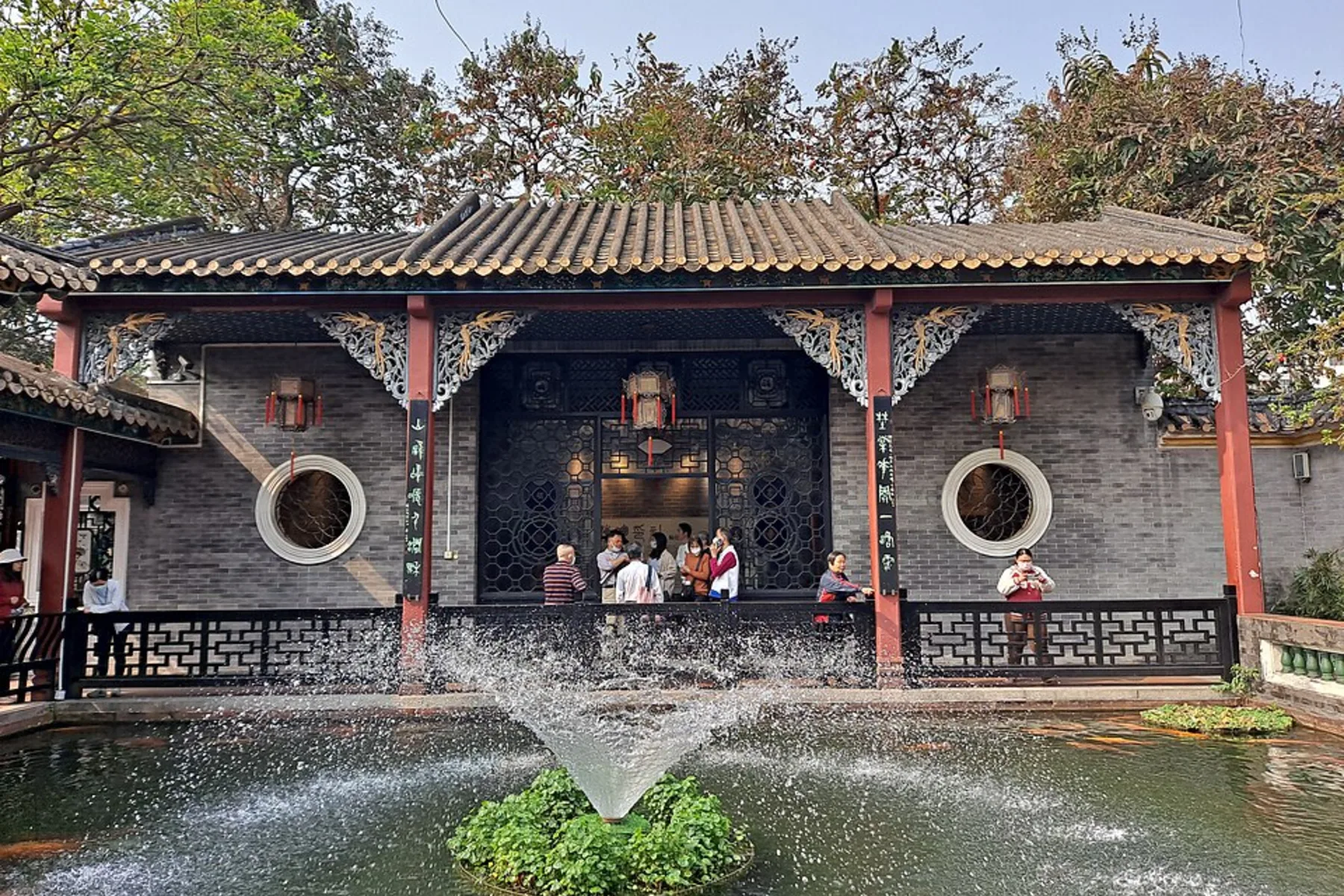
Liang’s Garden and old-city streets add different ways of observing Lingnan space. A garden can be read through rooms, corridors, water, framed views and the movement between enclosure and openness. A street can be read through brick, rooflines, shopfronts, lane width and the meeting of repaired heritage with everyday use.
Use four questions:
- What material or structural detail catches your attention?
- What appears public, private or institutionally controlled?
- How has an older building been adapted to a current use?
- Where does the interpreted visitor zone give way to ordinary urban life?
Observation is not permission to enter, touch or photograph. Respect barriers, residents, worshippers, staff and working businesses. Current opening, conservation work and photography rules must be checked with the responsible place.
For a source-led example of reading a complex rather than one facade, continue to The Ancestral Temple, Explained.
Treat Shiwan as a second cultural landscape
Shiwan changes the organising question. Instead of beginning with an old-city institution, begin with clay, heat, surface, tools, production and the ways ceramic knowledge appears in objects and buildings.
Chinese national and provincial cultural sources establish Shiwan pottery as a significant heritage tradition and describe its making context. Nanfeng Ancient Kiln provides an official operator entry into kiln-site heritage. Neither fact makes the whole district a museum or guarantees a public class.
.jpg)
Separate heritage context from a current workshop
A visitor may encounter several formats:
- museum observation;
- kiln-site interpretation;
- a maker demonstration;
- a short guided activity;
- a commercial class;
- public streets and ceramic architectural details.
These formats have different operators, access rules and learning depth. A heritage label does not make every activity an accredited transmission programme. A museum does not automatically permit handling. A kiln on the site does not prove that the piece you make will be fired there.
Before paying for participation, confirm the material, task, supervision, language, age rules, firing, collection and delivery. The live Things to Do in Foshan guide explains how to separate observation, making and scheduled participation.
Look for the relationship between material and place
Do not limit Shiwan to souvenir shopping. Notice how ceramic surfaces, figures, roof decoration, tools, display language and industrial memory connect material with local identity.
.jpg)
Ask what you are seeing: a historic object, a contemporary artwork, architectural decoration, a teaching example or a product for sale. The answer changes how the object should be interpreted. Avoid making claims about age, authorship, firing method or heritage status from appearance alone.
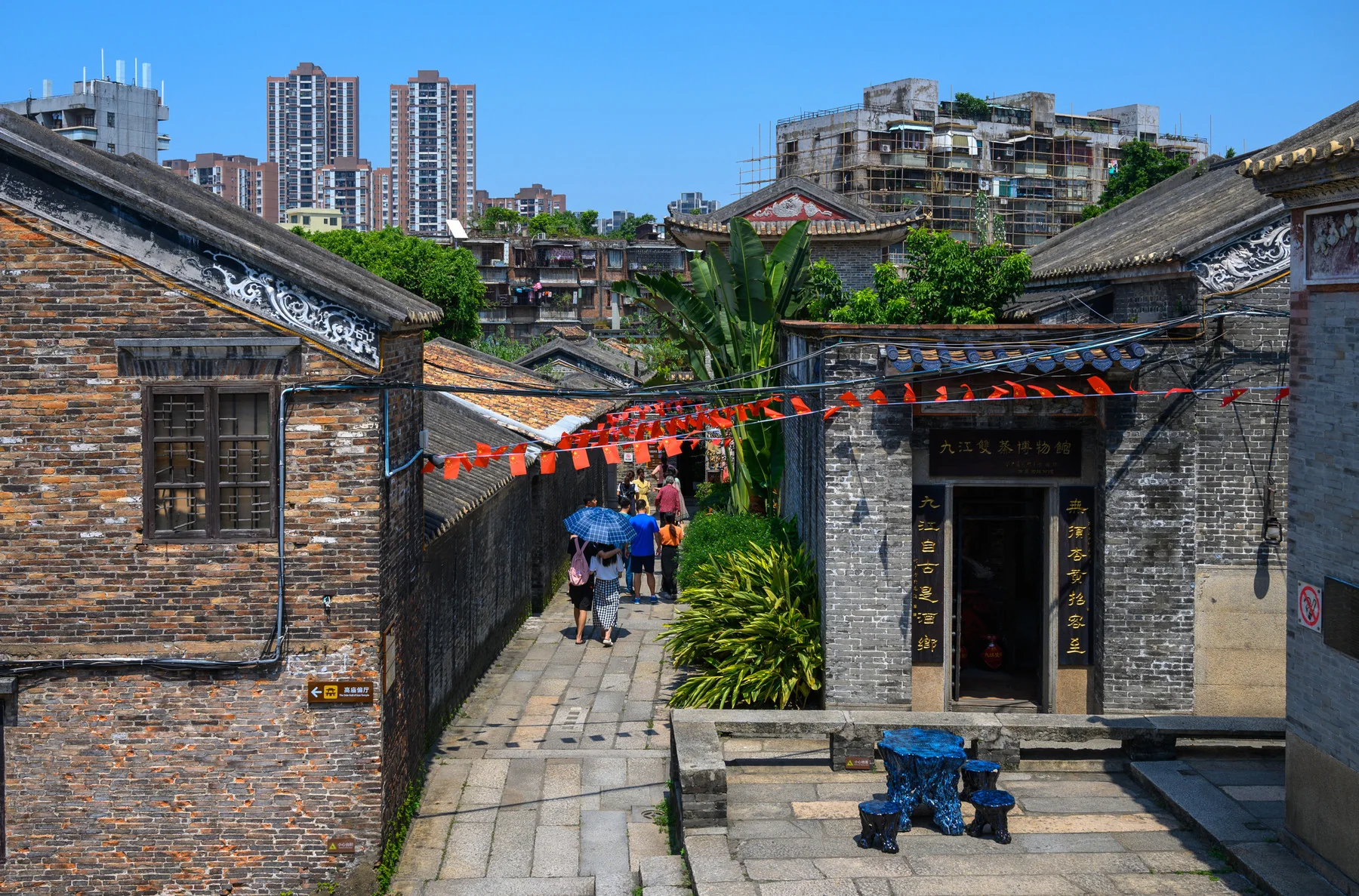
Public streets can extend the visit, but they do not remove the need to check access. Workshops may be private, production areas restricted and old structures fragile.
Choose a realistic Chancheng day
A Zumiao old-city day
Make one old-city institution the anchor. Add a garden, street observation or nearby cultural interior only if it fits your pace and current opening.
This works well for a first visit centred on architecture, public memory, folk culture and the relationship between museum interpretation and lived streets. Leave time to observe rather than moving continuously between pins.
A Shiwan ceramics day
Make ceramic culture the single subject. Combine museum or kiln-site interpretation with a public-space observation or a properly verified making experience.
This plan suits visitors interested in craft, materials, design or industrial memory. It remains worthwhile even without a workshop because observation and context are distinct forms of participation.
A two-cluster day
Zumiao and Shiwan can complement each other, but one should remain essential and the other optional. Verify the complete connection between actual entrances, not between broad map labels.
If transport, opening or energy makes the combination fragile, keep the second cluster for another day. The purpose is to understand two sides of Chancheng, not to prove that both were visited.
When both clusters fit, avoid filling every gap with another ticketed stop. A meal, rest or short public-space observation can make the transition more legible and protects the plan when one interior changes its operating conditions.
Use Things to Do in Foshan to decide whether your main experience is museum-led, observation-led, making-led or performance-led.
Plan walking, access and rest honestly
Historic character does not prove a route is pedestrian, shaded, step-free or easy in all conditions. Gardens, old buildings, lanes and transport nodes can introduce thresholds, uneven surfaces, road crossings or limited resting places.
Check the route from transport to the correct entrance, between planned stops, and back to the final connection. Ask venues about ramps, lifts, seating, accessible toilets, sensory conditions and assistance where these affect the visit.
For a lower-energy day, choose one institution and one short nearby observation. For families, confirm age rules, toilets, rest space and whether a child can leave an activity early. Weather and construction remain live planning facts, not promises in this article.
Choose a Chancheng base from real addresses
The Zumiao area can be a useful accommodation reference when several activities finish nearby, but “near Zumiao” is not a complete location check. Compare the hotel entrance, station exit, walking route and evening return.
A Shiwan-led visit may favour a different movement pattern. Do not choose a base only from district-level marketing or straight-line distance. If the last important activity is a workshop, performance or dinner, calculate the return from that full address.
This guide does not rank hotels, preserve prices or guarantee current transport. It supplies the questions that should come before booking.
Verify the live layer before leaving
Check these details through the responsible operator or official channel:
- exact venue, operator and entrance;
- opening, last entry, reservation and tickets;
- current displays, restricted areas and conservation work;
- performance, demonstration or workshop status;
- age, language, physical and accessibility conditions;
- photography, storage, food and privacy rules;
- current route, station exit and last-mile connection;
- return transport and any temporary disruption.
Use Foshan Metro for current network information, but verify venue access with the venue itself. Do not copy an old timetable, ticket price or event poster into an evergreen plan.
Continue exploring Foshan
Read Understanding Foshan’s Five Districts for the citywide context, Chancheng or Shunde for first-base selection, The Ancestral Temple, Explained for a source-led cultural anchor and Nanfeng Ancient Kiln for a bounded Shiwan example.
About the author
Priya Nair is Foshan Living’s Explore Foshan correspondent. She turns the city’s districts, towns and transport choices into practical area-first guides, with an emphasis on realistic routes and clear boundaries between evergreen advice and live travel information. See all articles by Priya Nair.
Image credits and disclosures
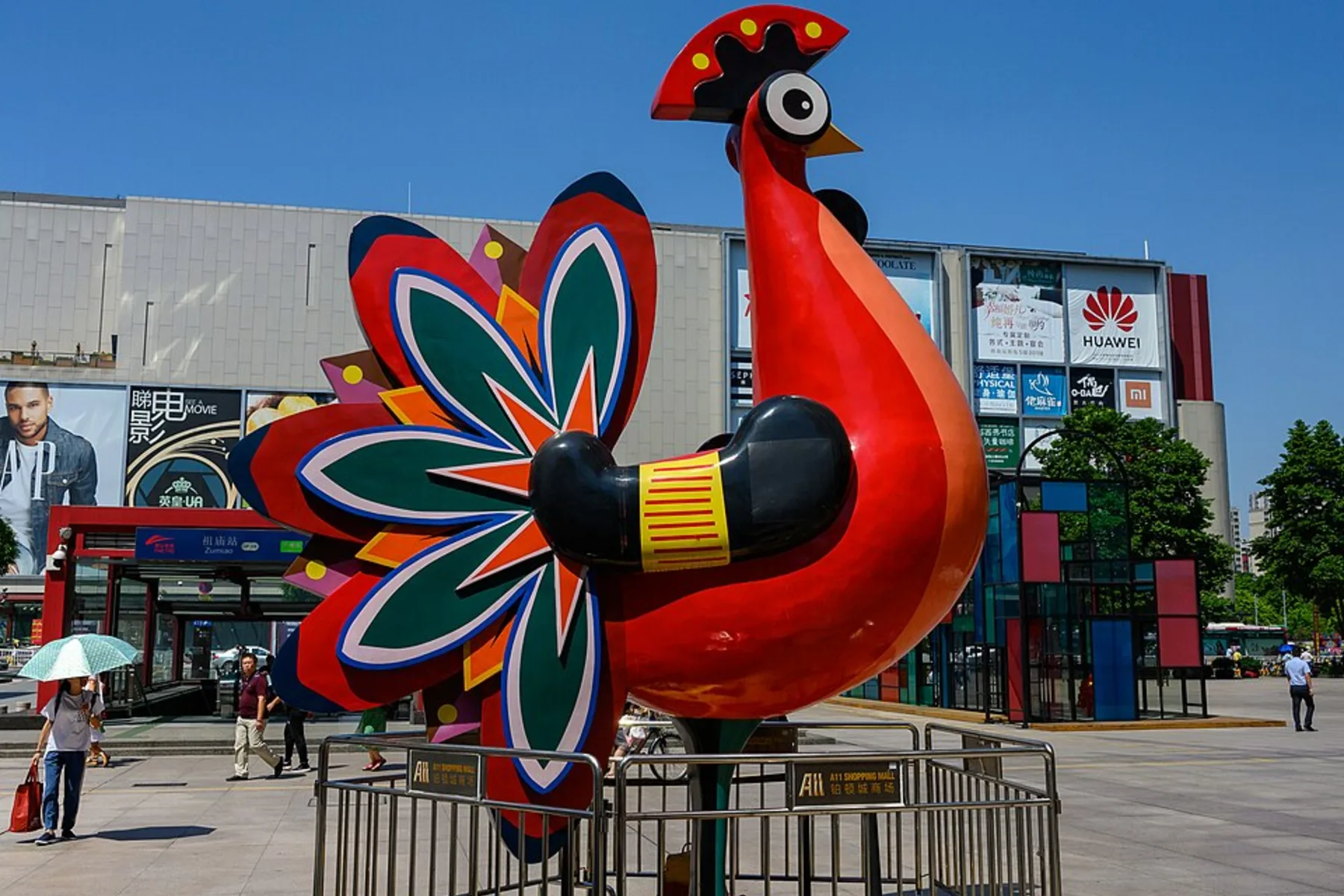
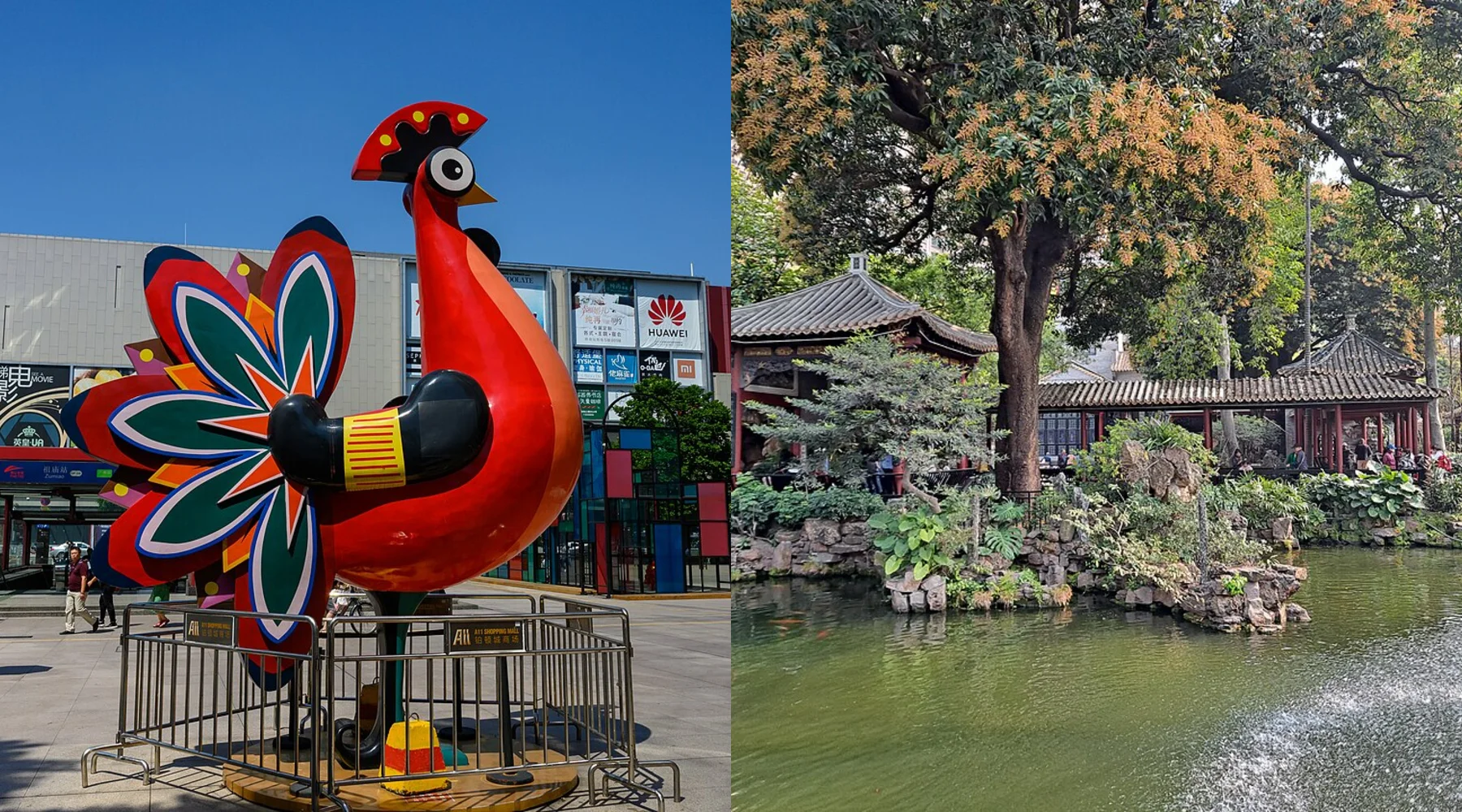
- hero.webp A dated street-level view near Zumiao Station shows contemporary public space beside the old-city visitor context. It does not define a historic-area boundary or confirm current businesses, walking conditions or station operation. xiquinhosilva · CC BY 2.0; exact approved derivative reused from an accepted Foshan Living package · CC BY 2.0
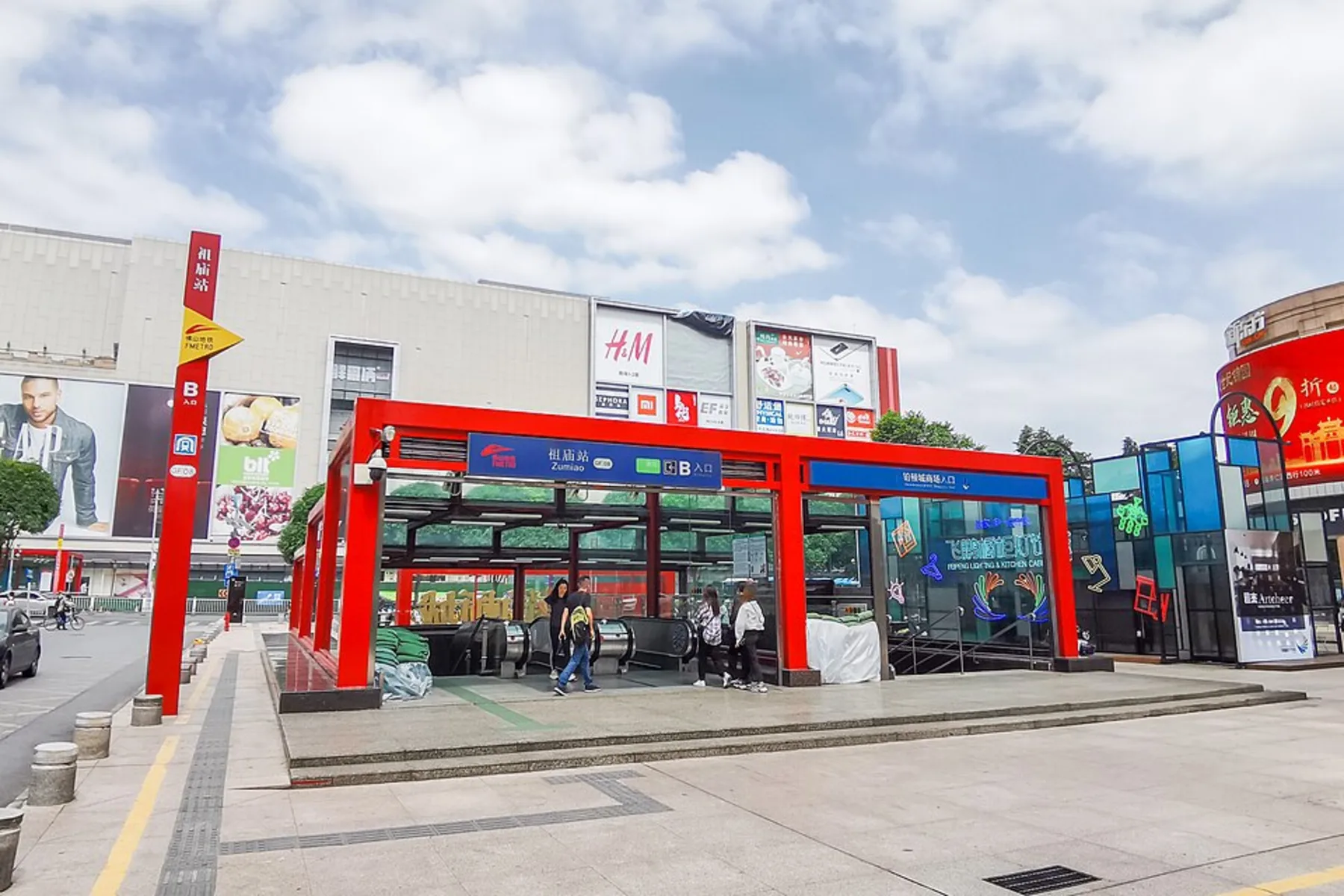
- body-01-zumiao-station.webp A dated view of one street-level arrival context around Zumiao Station. It does not confirm the current exit, service pattern, pedestrian route, accessibility or nearby business operation. Nissangeniss · CC BY-SA 4.0; exact approved derivative reused from an accepted Foshan Living package · CC BY-SA 4.0
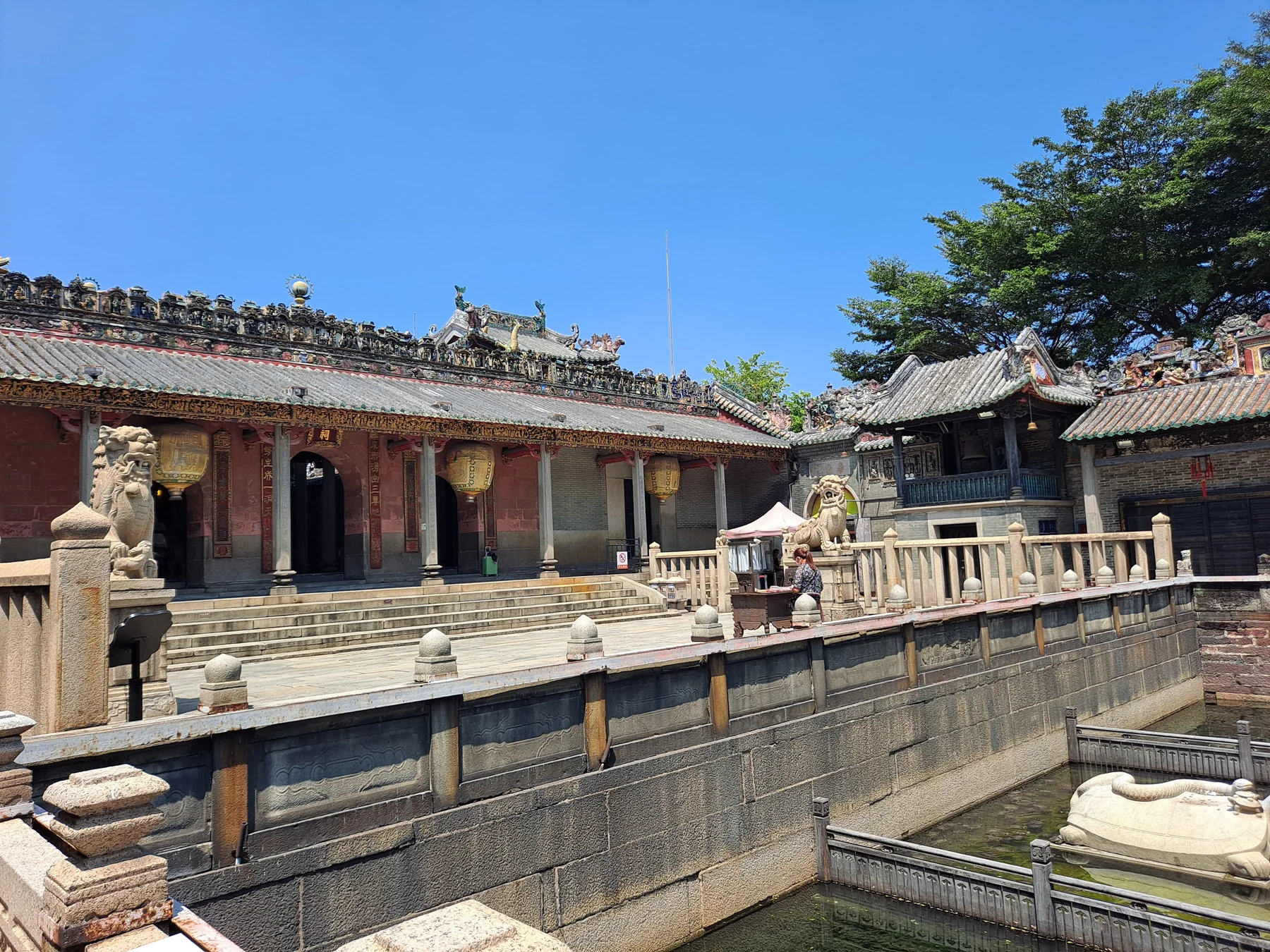
- body-02-ancestral-temple-courtyard.webp This 2022 view records one courtyard relationship inside Foshan Ancestral Temple. It does not establish the name or date of every visible structure, current circulation or unrestricted access. 钉钉 · CC BY-SA 4.0; exact approved derivative reused from an accepted Foshan Living package · CC BY-SA 4.0
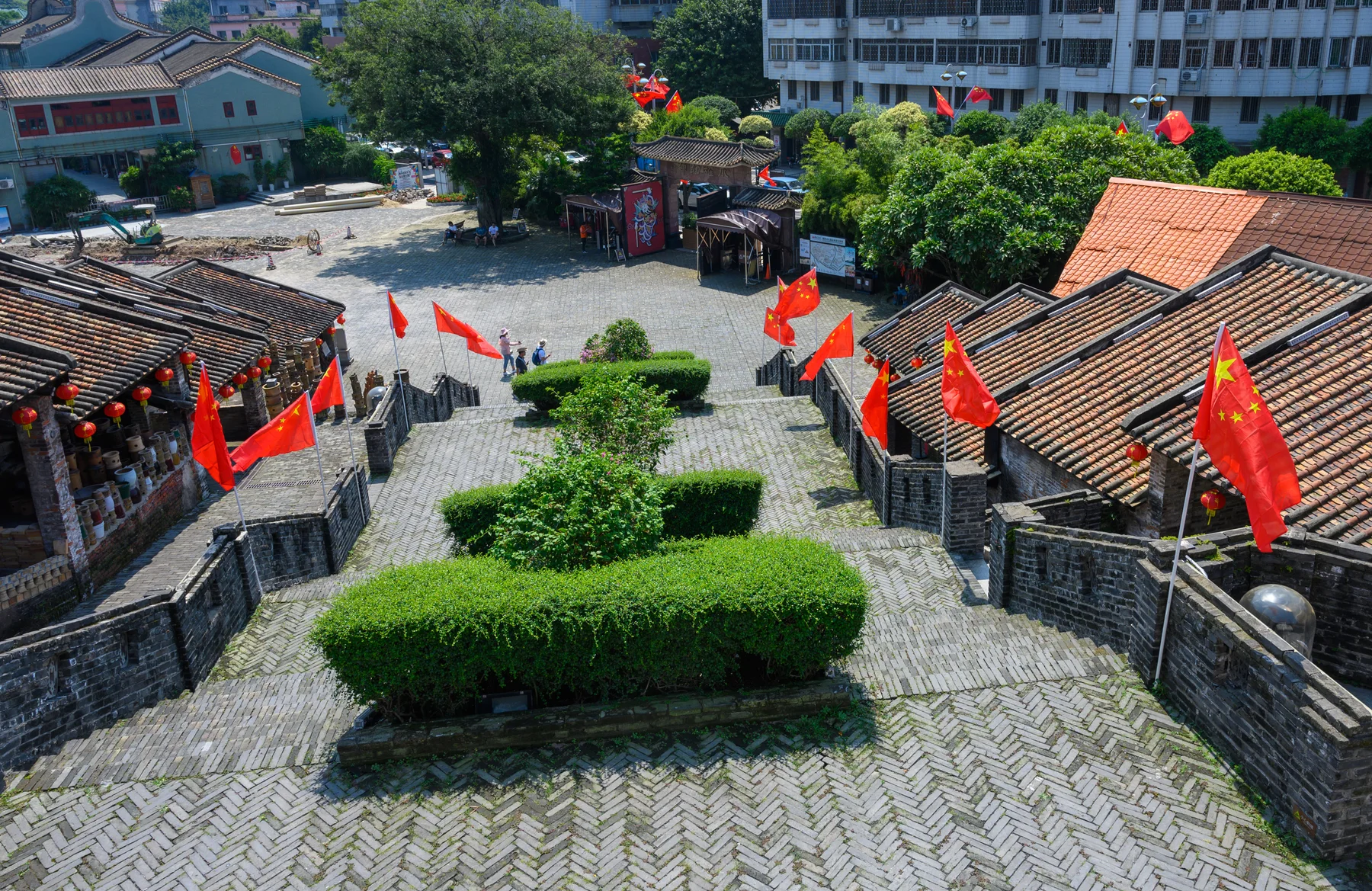
- body-03-shiwan-kiln.webp This dated 2019 view records one part of the Nanfeng Kiln site. It does not confirm current access, firing, ticketing, conservation condition or visitor routes. xiquinhosilva · CC BY 2.0; exact approved derivative reused from an accepted Foshan Living package · CC BY 2.0
- body-04-shiwan-lane.webp A dated lane, adjoining buildings and courtyard within the named kiln site. The photograph does not prove the age, function or protected status of every visible structure, nor describe current access. xiquinhosilva · CC BY 2.0; exact approved derivative reused from an accepted Foshan Living package · CC BY 2.0
- body-05-two-clusters.webp Foshan Living’s two-cluster orientation distinguishes an institution-and-street lens from a ceramics-and-making lens. It is not an official district classification, ranking, map or claim that the two areas are adjacent. Priya Nair / Foshan Living · Project-original vector infographic reused from Priya’s accepted Chancheng comparison package; editable SVG retained
.jpg)

Keep exploring
Related Foshan guides
 Explore Foshan
Chancheng or Shunde: Where Should You Start in Foshan?
Choosing between Chancheng and Shunde for a first Foshan trip? Compare heritage, food, neighbourhood pace, transport planning and where to stay.
 Explore Foshan
Understanding Foshan: A City of Five Districts
Learn how Foshan’s five districts differ, which areas suit culture, food, urban life or nature, and why every short trip needs a specific local base.
 Explore Foshan
Zumiao Old City or Shiwan: How to Choose Your Chancheng Day
Compare Zumiao old city and Shiwan, choose one main Chancheng cluster, and add the other only after checking the complete route and current access.
 Food & drink
Shunde Food for First-Timers: A Practical Ordering Guide
Learn how to order a balanced Shunde meal, understand fish, milk and rice dishes, ask about market prices, and avoid freshwater raw-fish risk.
Plan your visitFirst Time in Foshan
Build a first trip around districts, transport, food and one deeper cultural interest.