Food & drink
Shunde Food for First-Timers: A Practical Ordering Guide
A first Shunde meal is easier when you order by category and group size—not by a long “must-eat” list. Use this guide to build a balanced table, ask the right price questions and understand the freshwater raw-fish warning.

On this page
- Order for the size of your group
- For two people
- For four people
- For six or more
- Use five menu lenses instead of a must-eat list
- Cooked fish and river produce
- Milk dishes and desserts
- Rice foods and cakes
- Roast meats and banquet dishes
- Town-linked and seasonal foods
- Plan one meal, one day or two days
- If you have one meal
- If you have one day
- If you have two days
- Ask five questions when the menu says market price
- Understand the raw freshwater fish warning
- Ask about allergens beyond the dish name
- Choose a restaurant close to the date of your visit
- Continue with a more focused Shunde food guide
- Sources and verification
A first meal in Shunde does not need to include raw fish, double-skin milk, Chencun rice noodles, Lunjiao cake and several banquet dishes at the same table.
A better introduction is to order by category and group size. Choose one fully cooked fish dish, add one roast, stir-fry or savoury milk dish, then include vegetables and a staple. Share dessert afterwards. This gives you a clearer view of the textures, knife work and heat control associated with Shunde food—without turning dinner into a checklist.
What you will get from this guide: a practical formula for two, four or more diners; five useful ways to read a Shunde menu; questions to ask when a dish is sold at market price; and a clear warning about raw freshwater fish.
Order for the size of your group
Shunde menus often reward sharing. Group size is therefore a more useful starting point than the number of famous dishes you have saved.
For two people
Start with:
- one fully cooked fish or river-produce dish;
- one small roast, savoury milk dish or home-style stir-fry;
- one vegetable;
- one staple;
- one or two desserts to share.
Ask whether the restaurant offers a small portion, an example portion or per-person serving. Two diners usually do not need a whole large fish, a substantial roast and a banquet dish at the same meal.
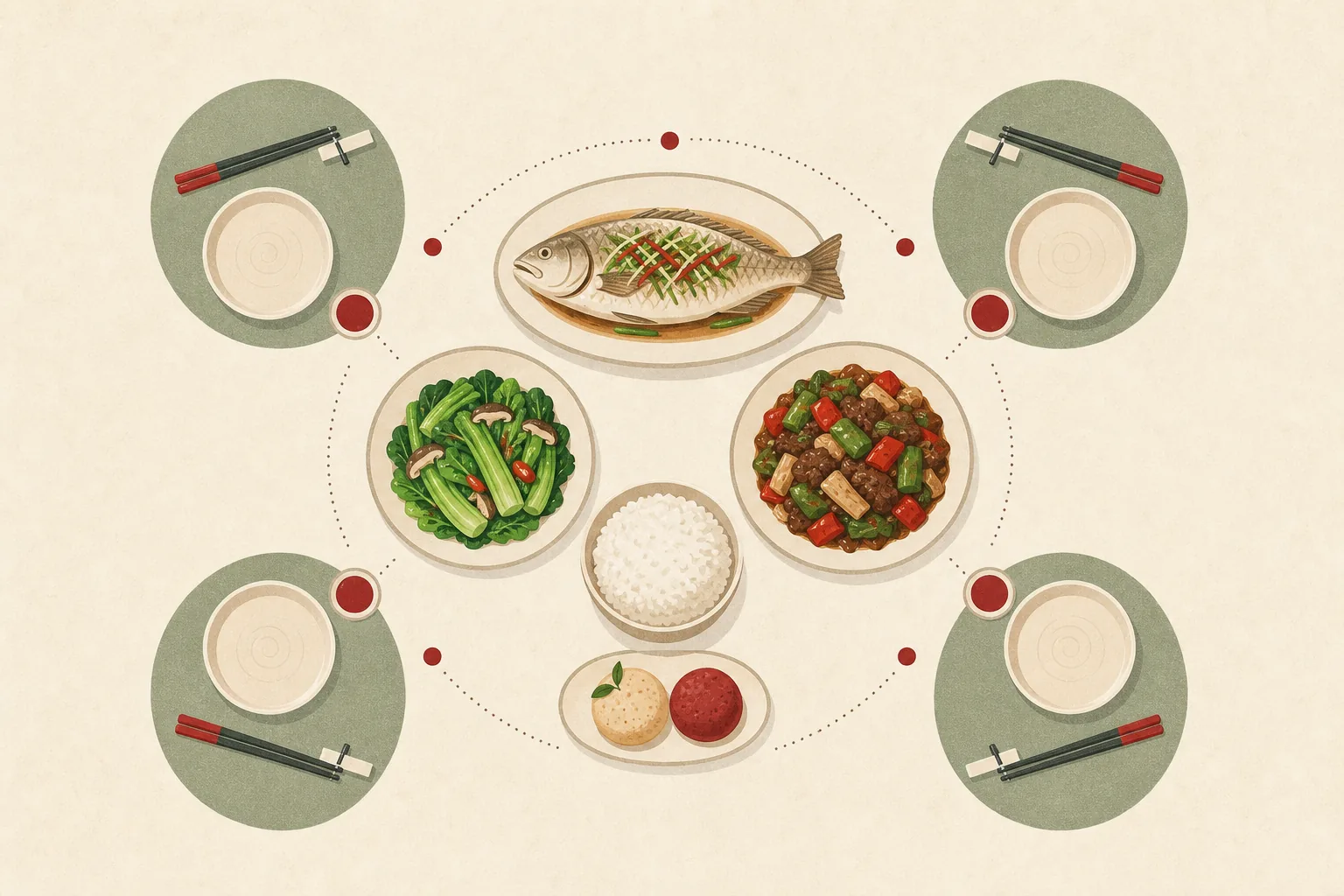
For four people
A balanced four-person order might include:
- one cooked fish main;
- one roast or steamed meat dish;
- one dish that highlights a local technique or texture;
- one vegetable;
- one staple;
- dessert.
Four diners can cover more categories, but you should still confirm the weight and minimum order for larger dishes before agreeing.
For six or more
A larger group can consider dishes designed for sharing, including substantial roasts or banquet-style preparations. Before ordering, ask:
- What is the minimum portion?
- Is the charge per plate, by weight, by whole item or per person?
- Does the dish require advance ordering?
- Are preparation, tea, sauce or service charges added?
A famous name is not a reason to order more food than the table can finish.
Use five menu lenses instead of a must-eat list
The following five lenses are an editorial way to organise a first meal. They are not an official classification of Shunde cuisine.

Cooked fish and river produce
Fish in Shunde food culture can illustrate more than freshness. Fully cooked preparations can draw attention to deboning, slicing, mincing, texture and heat control.
Useful examples include fish curd or fish tofu-style preparations, fish cakes, deboned fish, steamed fish, pan-cooked fish and properly cooked fish slices. Local public-cultural and media sources connect some of these foods with different Shunde towns, but those links do not make any town the exclusive place to eat them. See the Shunde Library food overview and the Shunde+ ten-town food feature.
Raw fish is not compulsory for a meaningful first meal. Cooked fish can show just as much skill while avoiding the parasite risk associated with raw or undercooked freshwater fish.
Milk dishes and desserts
Double-skin milk is usually treated as dessert. Fried milk and stir-fried milk can appear as savoury or hot dishes. They share a milk theme but play different roles at the table.
For a first meal, choose one savoury milk preparation or share one milk dessert rather than ordering every milk-based item at once. The Shunde Library food overview provides a public-cultural introduction to these food traditions; it does not verify any current shop.
Rice foods and cakes
Chencun rice noodles function more like a staple or snack. Lunjiao cake is a rice cake suited to breakfast, yum cha or an afternoon stop. Other biscuits and cakes may work better as a small snack or take-home food.
Spreading these foods across a day makes them easier to understand than adding all of them after a full lunch. The regional associations are useful cultural clues, not proof of a single origin shop.
Roast meats and banquet dishes
Roast goose, roast pork and large steamed preparations can introduce town and banquet traditions, but portion size is often the practical issue.
Before ordering, confirm the weight, minimum portion, charging unit, additional fees and whether advance booking is required. A current restaurant must confirm its own serving format; an evergreen guide cannot promise availability.
Town-linked and seasonal foods
Shunde’s ten towns are often introduced through representative foods—for example, Daliang with double-skin milk, Lunjiao with Lunjiao cake, Chencun with Chencun rice noodles and Lecong with fish curd.
Treat this as a first map, not a quality ranking. It does not mean:
- the dish exists only in that town;
- every restaurant there prepares it well;
- the food is available throughout the year; or
- the town should be reduced to one dish.
The town-food links in this guide come from public-cultural and local Chinese sources, including Shunde+ and Foshan+ reporting on Lunjiao.
Plan one meal, one day or two days
If you have one meal
Use the basic formula: cooked fish + roast or stir-fry + vegetable + staple + dessert. Scale it to the number of diners. The aim is to understand how the table works, not to collect the largest number of dish names.
If you have one day
Use a meal rhythm:
- breakfast or yum cha: choose one rice food or a small selection of dim sum;
- lunch or dinner: make one meal the main shared Shunde meal;
- afternoon: choose one milk dessert or rice cake;
- second main meal: eat more lightly and avoid repeating every rich category.
Restaurant service periods, queues and availability change. Check them close to your visit rather than treating this rhythm as a timed itinerary.
If you have two days
Use the first day for a broad introduction. On the second, choose one town or neighbourhood because you have a clear interest—perhaps rice cakes, cooked fish, roast meats or waterside food traditions.
Do not cross several Shunde towns simply to complete a list. Routes and current transport belong in a separately maintained travel guide.
Ask five questions when the menu says market price
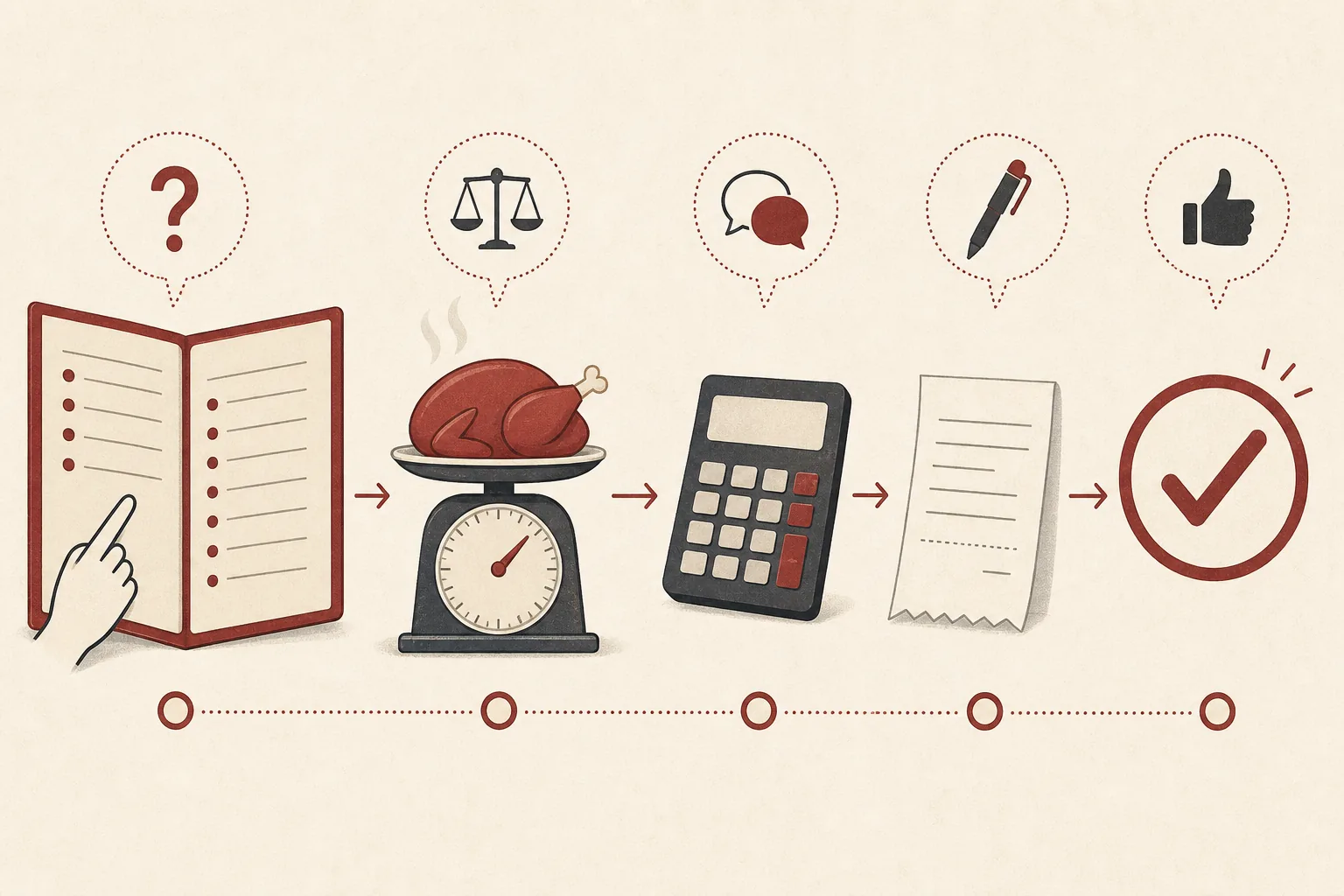
When a dish is marked “market price” or priced by current weight, ask:
- Is the charge per 500 grams, per whole item, per plate or per person?
- What is the actual weight of today’s ingredient?
- Are preparation, tea, sauce or service charges added?
- Does the cooking method change the price?
- Can the restaurant confirm the estimated total before you order?
An old menu photograph cannot prove today’s price.
Understand the raw freshwater fish warning
Raw freshwater fish is part of the conversation around Shunde food, but cultural significance does not remove health risk.
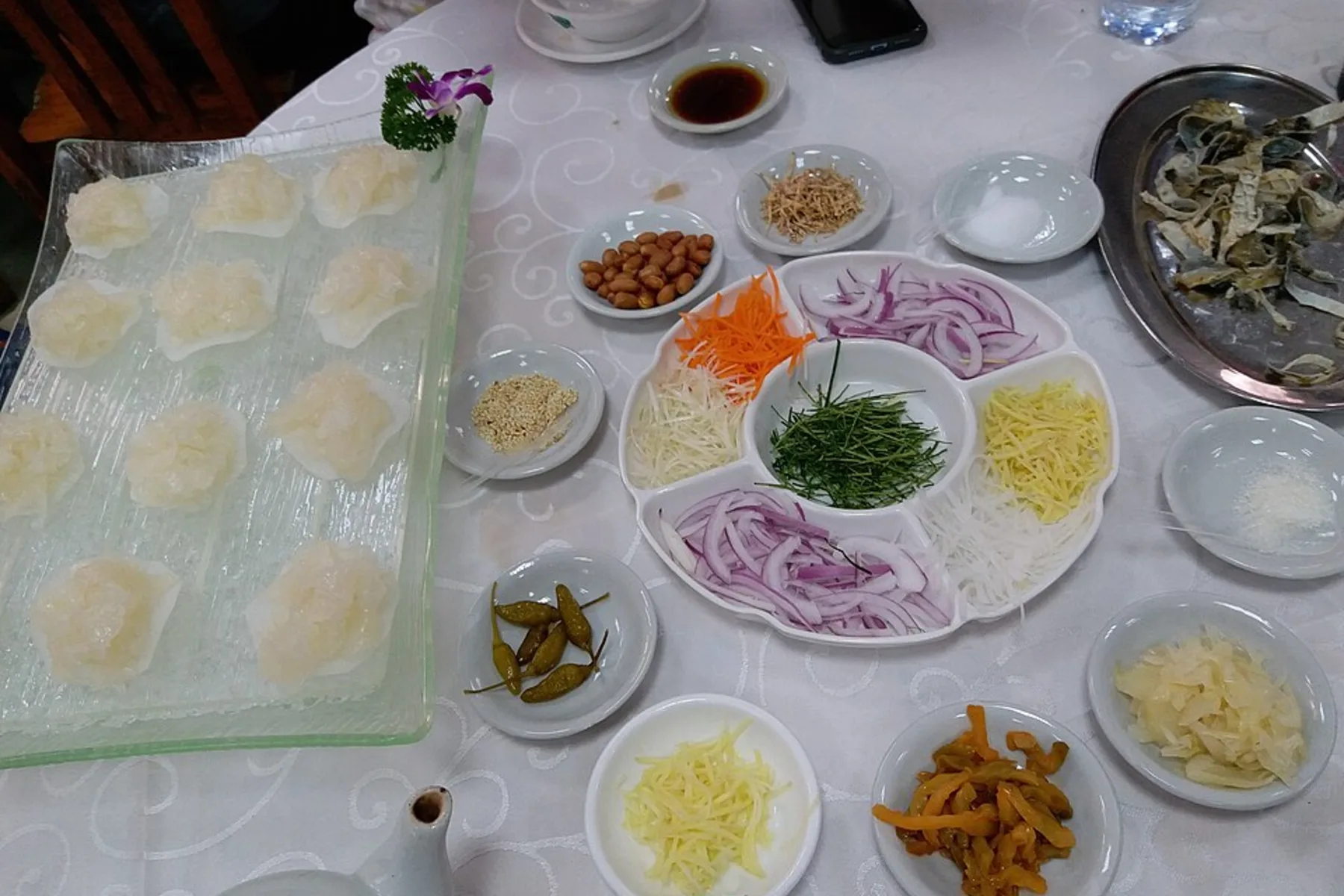
.jpg)
The Guangdong Provincial Center for Disease Control and Prevention explains that eating raw or undercooked freshwater fish or shrimp contaminated with liver-fluke larvae can cause infection. Alcohol, mustard, vinegar, garlic and other condiments do not replace thorough cooking. China’s national parasite-control plan also promotes not eating raw fish.
The lower-risk choice is fish cooked thoroughly. Raw-fish knives, cutting boards and serving utensils should not contaminate cooked food.
If you have eaten raw freshwater fish and are concerned about infection or feel unwell, contact a qualified medical provider. Do not self-prescribe preventive medication.
Foshan Living does not describe raw freshwater fish as risk-free because a restaurant is famous, the fish is freshly cut or its source is promoted. Raw fish is not required to “complete” a Shunde food experience.
Ask about allergens beyond the dish name
Fish, shellfish, milk, egg, peanuts and wheat-containing seasonings may appear in Shunde dishes. The ingredients in fish mixtures, stuffed foods and sauces may not be obvious from the dish name.
If you have a serious allergy, ask whether:
- frying oil, soup bases, knives or cutting boards are shared;
- fish paste, fillings or sauces contain egg, milk, dried shrimp, peanuts or wheat;
- staff can confirm the ingredients rather than guess.
If cross-contact cannot be confirmed, choose simpler, thoroughly cooked dishes and follow your personal medical plan. This guide does not provide individual medical advice.
Choose a restaurant close to the date of your visit
Restaurant recommendations are dynamic. Before you go, verify:
- current trading status and address;
- the meal period and reservation method;
- what is actually available that day;
- the pricing unit and suitable group size;
- whether food-business information is displayed as required;
- whether staff can answer allergen and raw-versus-cooked handling questions;
- minimum spend, time limits or additional charges;
- any invitation, payment or affiliate relationship behind the recommendation.
Rankings, prices, queues, opening hours and claims such as “the locals’ favourite” should not live permanently in an evergreen guide.
Continue with a more focused Shunde food guide
This article is the starting point. Related planned guides include:
- Foshan Yum Cha for First-Timers — tea, dim sum categories and portion control;
- Shunde Desserts and Rice Cakes — double-skin milk, ginger milk curd and Lunjiao cake;
- How to Read Shunde Cooking Techniques — deboning, mincing, steaming, pan-cooking and texture;
- Where to Eat by Shunde Town — Daliang, Ronggui, Lunjiao and Beijiao without turning the page into a restaurant ranking;
- Food Safety for Foshan Specialities — raw freshwater fish, allergens and cross-contact.
Choose the guide that matches your next decision. If you are selecting an actual restaurant, use current operator information rather than an old list.
Sources and verification
The factual backbone of this article uses Chinese government, public-health, public-cultural and local-media sources registered in the accompanying source-register.md.
Core references:
- Shunde District People’s Government
- Foshan Municipal Health Bureau
- Guangdong CDC: freshwater fish and liver-fluke risk
- National parasite-control implementation plan, 2024–2030
- Shunde Library: Shunde food overview
- Shunde+: representative foods across ten towns
- Foshan+: Lunjiao food and waterside-culture feature
- CCTV: A Bite of Shunde
- CCTV: Taste—My Hometown Food: Shunde
Last verified: 27 July 2026. Review cycle: Every six months, and immediately if cited public-health guidance changes.
Image credits and disclosures
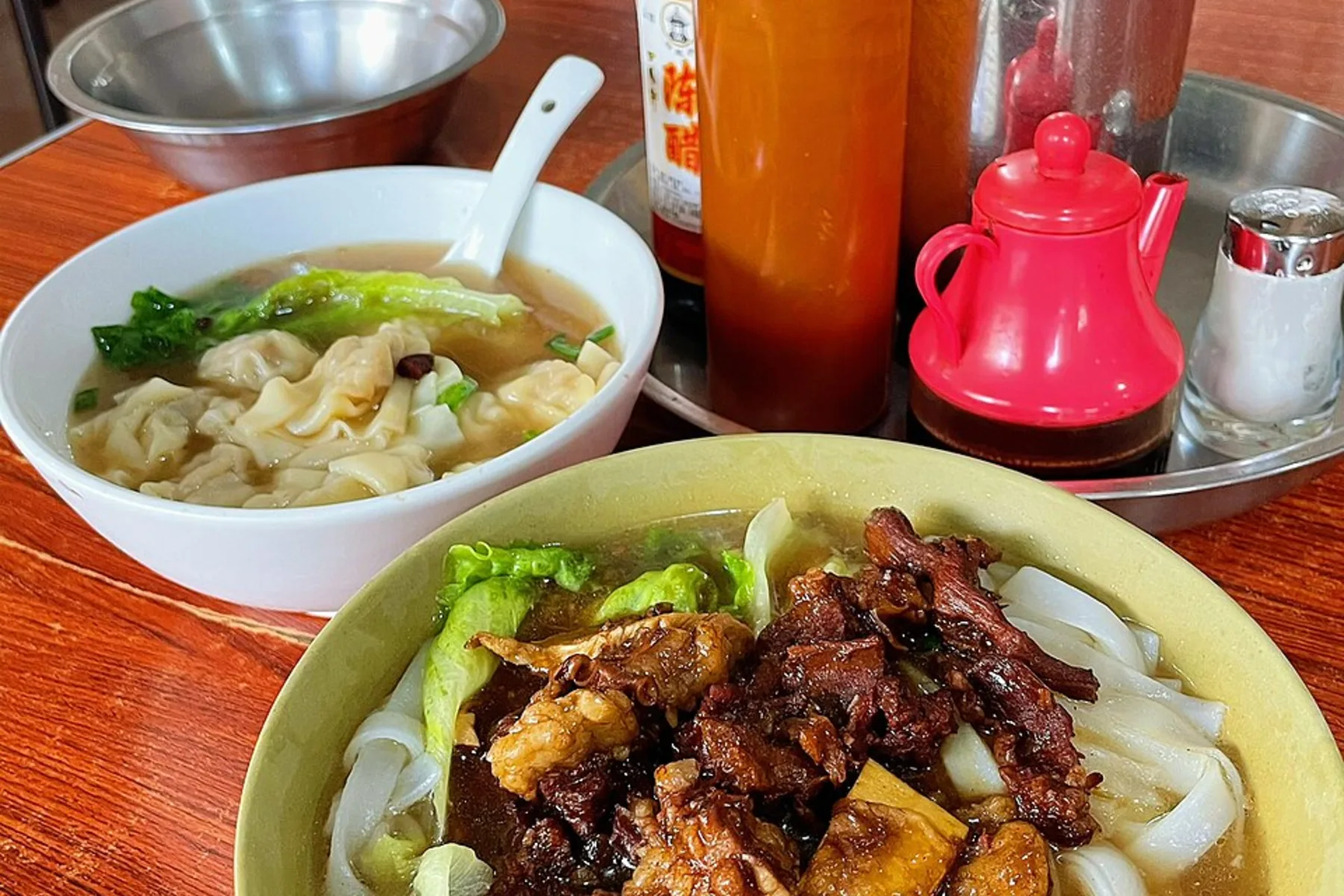
- hero.webp A real breakfast photographed in Shunde. It illustrates an everyday meal rather than a required order or restaurant recommendation. Fumikas Sagisavas · CC0; cropped and resized for web · CC0
- body-01.webp AI-generated editorial diagram showing a balanced four-person ordering structure, not a prescribed menu or documentary image of Shunde dishes. OpenAI image generation tool for Foshan Living / Daniel Osei · Generated specifically for this Foshan Living article · AI-generated illustration
- body-02.webp AI-generated editorial illustration of the questions to ask before ordering a market-price dish. It contains no real menu, price or restaurant information. OpenAI image generation tool for Foshan Living / Daniel Osei · Generated specifically for this Foshan Living article · AI-generated illustration
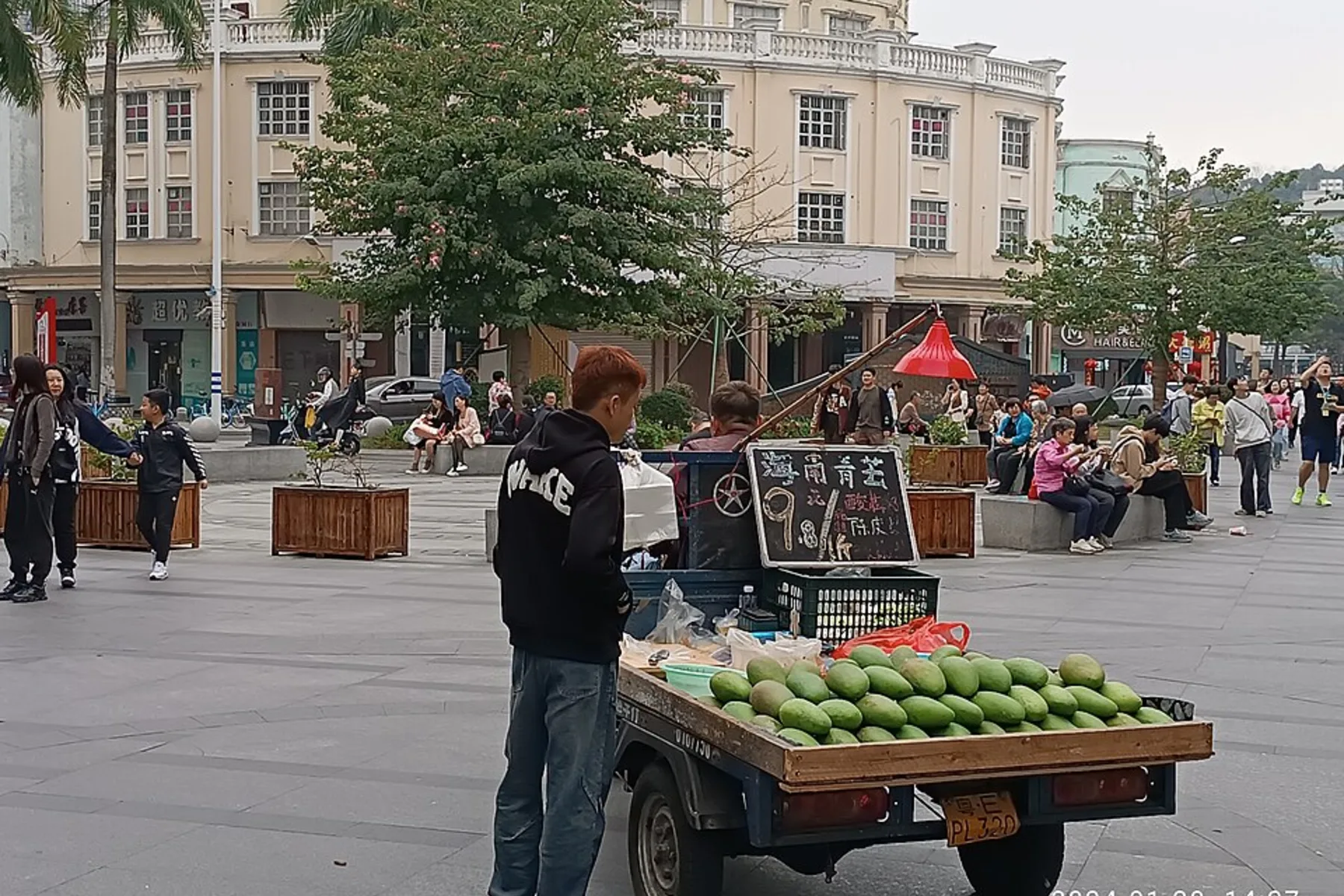
- local-huagai.webp A food stall on Huagai Road in Shunde shows the everyday street context around snacks and small food stops. Lau Hau Yatyue Tiger · CC0; cropped and resized for web · CC0
- local-yusheng.webp Yusheng photographed in Shunde. The image documents the dish’s local context; it is not a recommendation to eat raw freshwater fish. Pauloleong2002 · CC BY-SA 4.0; cropped and resized derivative · CC BY-SA 4.0

Keep exploring
Related Foshan guides
 Explore Foshan
Chancheng or Shunde: Where Should You Start in Foshan?
Choosing between Chancheng and Shunde for a first Foshan trip? Compare heritage, food, neighbourhood pace, transport planning and where to stay.
 Explore Foshan
Understanding Foshan: A City of Five Districts
Learn how Foshan’s five districts differ, which areas suit culture, food, urban life or nature, and why every short trip needs a specific local base.
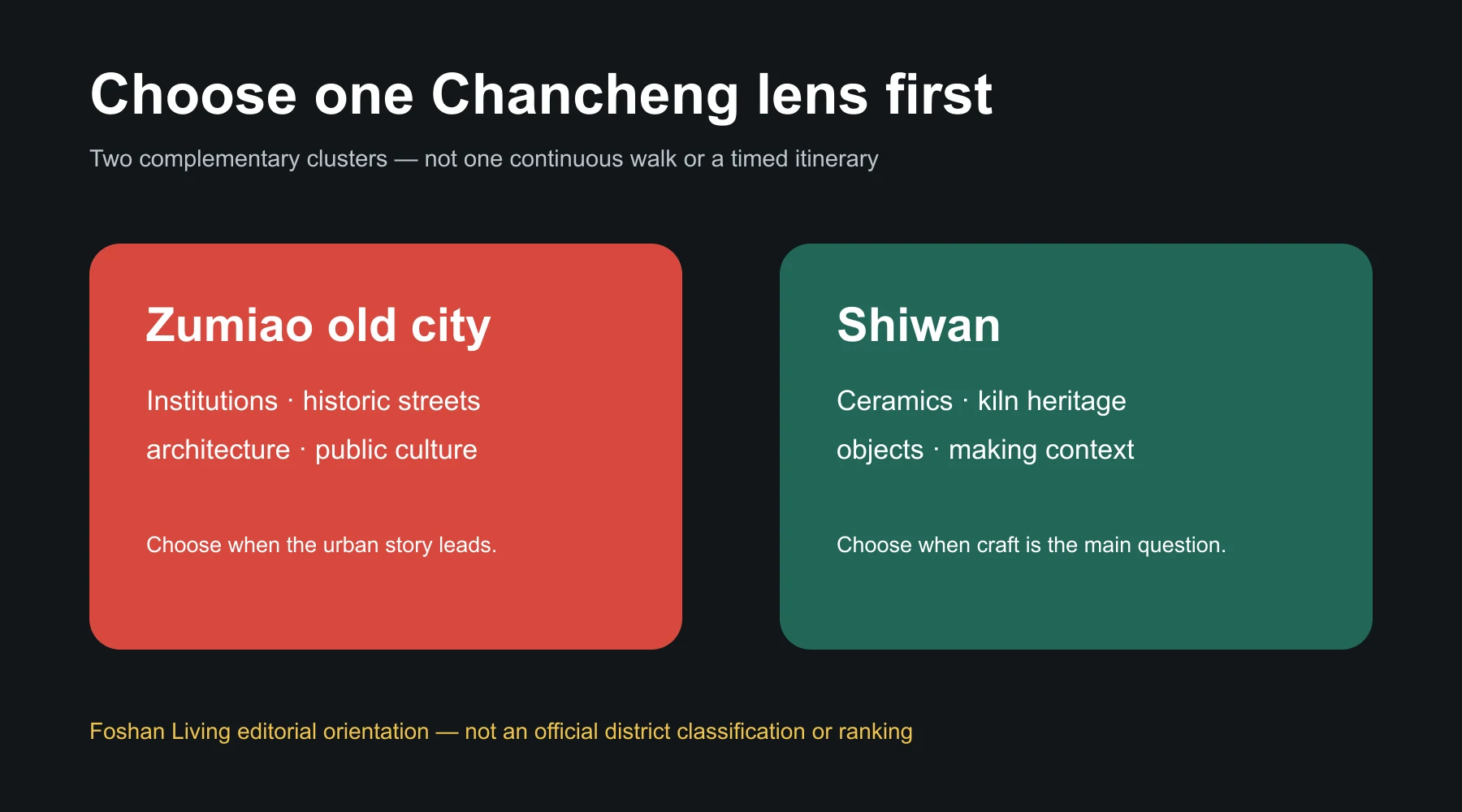 Explore Foshan
Zumiao Old City or Shiwan: How to Choose Your Chancheng Day
Compare Zumiao old city and Shiwan, choose one main Chancheng cluster, and add the other only after checking the complete route and current access.
 Explore Foshan
Chancheng: Foshan’s Historic Urban Core
Understand Chancheng through the Zumiao old city and Shiwan’s ceramic heritage, with guidance on walking scale, transport checks and where to base.
Plan your visitFirst Time in Foshan
Build a first trip around districts, transport, food and one deeper cultural interest.