Explore Foshan
Zumiao Old City or Shiwan: How to Choose Your Chancheng Day
Choose Zumiao old city for an urban heritage-led day or Shiwan for ceramics and making context, then treat the second cluster as an optional extension.

On this page
- Make the main decision first
- Choose Zumiao old city for an institution-and-street-led day
- Use the Ancestral Temple as an anchor, not the entire area
- Read streets, gardens and adapted buildings
- Choose Shiwan for ceramics and making context
- Separate heritage identity from current participation
- Observe the relationship between object, process and place
- Keep specialist questions with the right writer
- Add the second cluster only as an optional extension
- Check walking and access honestly
- Verify the live layer before leaving
- Build your Chancheng day
- Continue exploring Foshan
- About the author
If you have already chosen Chancheng for a Foshan day, the next decision is not a list of attractions. It is a choice between two different ways of reading the city. If the district itself is not yet settled, begin with Understanding Foshan’s Five Districts.
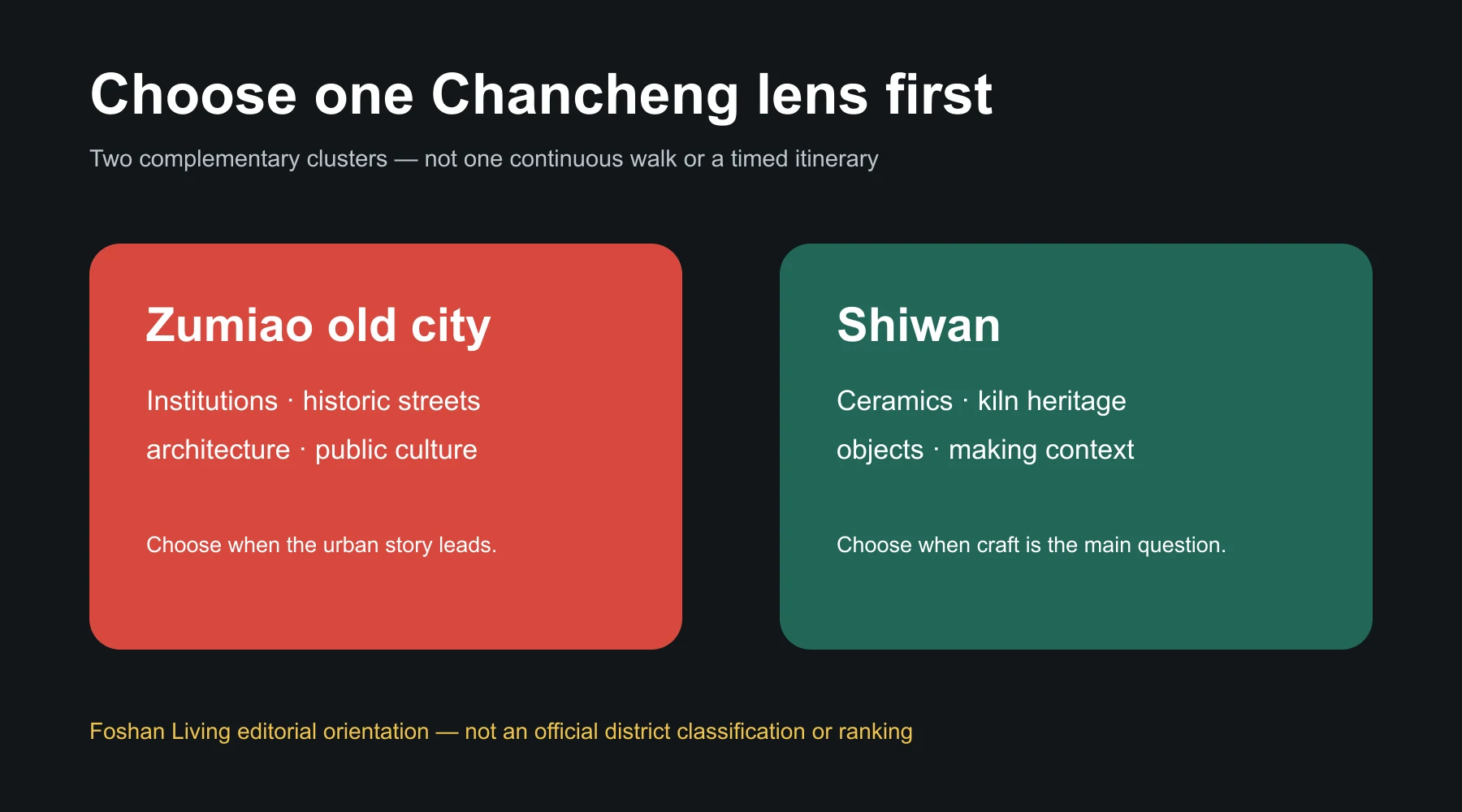
Choose the Zumiao old-city cluster when you want an institution-and-street-led day shaped by historic architecture, public culture, gardens and urban layers. Choose Shiwan when ceramics, kiln history, making environments and design observation are the main purpose.
Foshan Living uses “cluster” as editorial travel language, not an official administrative category. Our evergreen rule is one main cluster + one optional extension. The second area belongs only if the complete journey, current access and your energy still make sense. This is not a timed itinerary, and it does not promise that the two areas form one continuous walk.
Make the main decision first
The district story contains both clusters. This guide solves the next task: which one should lead your day?
Use your main question:
| If your main question is… | Start with… |
|---|---|
| How did public institutions, architecture and historic streets shape urban Foshan? | Zumiao old city |
| How does ceramic making connect craft, objects, kilns and a lived district? | Shiwan |
| Can I see a performance today? | Neither answer is evergreen; check the current operator |
| Can I book a workshop today? | Neither answer is evergreen; check the current operator |
The table is an editorial decision aid. It does not rank the cultural importance of either place.
Avoid choosing by image volume. A famous facade may dominate search results without explaining the surrounding streets. A ceramic object may be photographed far from the place where its history is interpreted. Start with the question you want the day to answer, then select the area capable of giving that question context.
If your time is limited, keep one cluster essential. A complete, well-observed area is more useful than two rushed check-ins.

Choose Zumiao old city for an institution-and-street-led day
The Zumiao old-city cluster works best when you want to move between an institutional anchor and the surrounding urban fabric.
The official Ancestral Temple Museum provides a clear entry into architecture, folk culture and public memory. Nearby historic streets, gardens and adapted buildings can then broaden the view. The point is not to claim that every place belongs to one period or story. It is to notice how religious, civic, commercial and residential layers sit beside contemporary city life.
A useful Zumiao-led day asks:
- Which institutions organise the story?
- What can be learned from public exteriors and thresholds?
- Which buildings retain a documented historic identity?
- Which spaces have been adapted for new use?
- Where does the old-city label stop being useful?
The final question matters. Chancheng is a living urban district, not a preserved set. “Old city” is a visitor orientation, not a promise that every street is historic, pedestrian or open to entry.
Use the Ancestral Temple as an anchor, not the entire area
An anchor gives the day a starting vocabulary. It should not become the whole story.
At the Ancestral Temple Museum, current access may include architecture, museum interpretation and spaces associated with folk culture, martial-arts memory or performance. Exactly what is open or scheduled is an operating fact. Check the official venue before travelling; do not plan around an old programme, a platform review or a remembered timetable.
Once you have the vocabulary, look outward:
- How does the institutional complex meet the street?
- What happens at gates, courtyards and public edges?
- Which nearby signs distinguish a protected place, an adapted building and an ordinary business?
- How does contemporary movement continue around the heritage anchor?
These questions turn the area into a reading exercise rather than a photo checklist.
Deep interpretation belongs elsewhere. For a wider evidence-led cultural framework, continue to How to Read Foshan Culture. Martial arts, lion dance and related cultural memory require Zhang Wei’s specialist evidence, not a route writer’s shorthand.
.jpg)
Read streets, gardens and adapted buildings
The wider old-city cluster may connect documented streets, garden history and reused buildings, but it should not be described as one uninterrupted heritage trail.
Use three observation categories:
- thresholds: gates, entrances and the change from public street to controlled interior;
- materials and form: brick, walls, roofs, courtyards and later additions, interpreted cautiously;
- use: religious, residential, cultural, commercial or adapted functions that may coexist.
Do not infer age or authenticity from appearance alone. A building can look old without belonging to the story you assume. A historic building may support a contemporary use. An external view does not grant permission to enter or photograph inside.
Liang’s Garden and other documented places can expand the day when their current operation fits, but they are not automatically open, nearby enough for every visitor, or compatible with every access need. The route remains a live decision.
.jpg)
Choose Shiwan for ceramics and making context
Shiwan should lead the day when the main question concerns ceramics as a relationship between object, process and place.
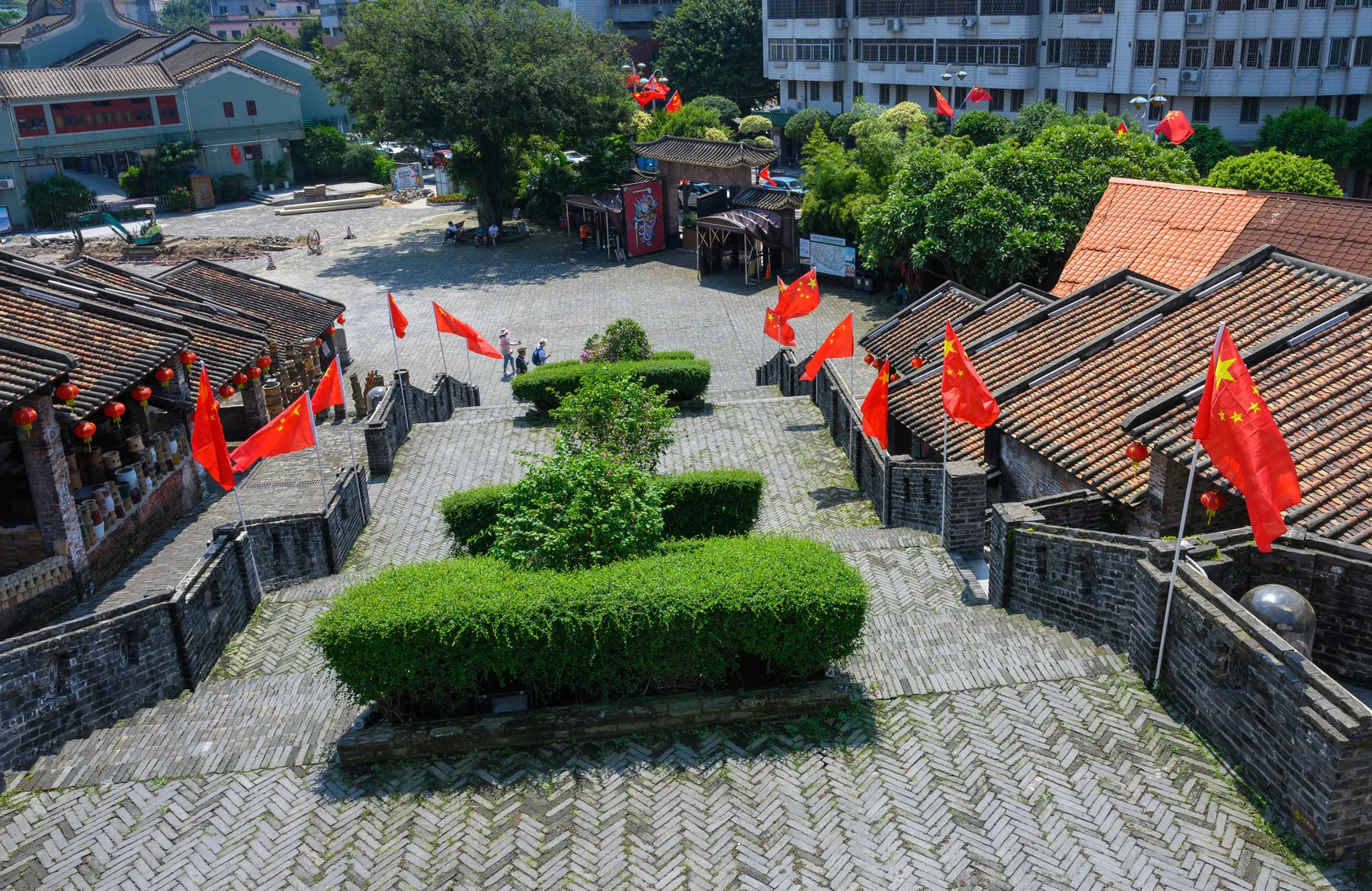
The official Guangdong Shiwan Ceramics Museum, the Nanfeng Ancient Kiln operator entry and the national heritage record for Shiwan ceramic sculpture establish a durable cultural context. They do not prove that a specific workshop, firing demonstration or visitor activity is available today.
A Shiwan-led day can be organised around:
- museum interpretation;
- kiln and production heritage;
- ceramic forms and surfaces;
- the relationship between making and the surrounding urban area;
- how a craft tradition is presented to contemporary visitors.
The value of the cluster is not limited to buying an object or completing an activity. Observation alone can be productive when it is disciplined.
.jpg)
Separate heritage identity from current participation
A heritage record can confirm that a practice matters. It cannot confirm that a visitor can participate at a particular time.
Before treating any workshop as part of the day, verify:
- the responsible operator;
- whether the activity is currently offered;
- booking and language requirements;
- age or supervision rules;
- the material and task;
- whether firing, collection or delivery is involved;
- photography and reuse rules.
Mei-lin Cheung owns the question “What can a visitor actually do, and what must be confirmed?” Priya’s route cannot turn a cultural reference into an operating promise. The broader Things to Do in Foshan guide helps separate observation, participation and live operating facts.
If no appropriate activity is available, the Shiwan day still works as a museum-, street- and observation-led visit. Do not fill the gap with an unverified commercial workshop.
Observe the relationship between object, process and place
Approach ceramic displays with five questions:
- What kind of object or form is being shown?
- Which making stages are documented?
- What surface, edge or joining detail is visible?
- Is the object explained as functional, architectural, sculptural or commemorative?
- How does the display connect the object to Shiwan as a place?
These are editorial observation prompts, not tests of performance, safety, age or authenticity. A visitor cannot determine hidden composition or technical compliance by looking.
Ana owns material language, craft and design observation. Zhang owns historical and cultural interpretation. Priya owns the choice of area and the practical structure of the visit.
Keep specialist questions with the right writer
One place can generate several kinds of questions. Keeping ownership clear improves the answer.
- Priya Nair: Which cluster fits the reader’s purpose? How should the main area and optional extension be organised? What access and return facts require checking?
- Zhang Wei: Why does the architecture, institution, craft or performance tradition matter? Which historical claims are documented, contested or part of transmission?
- Ana Ribeiro: How can a visitor observe material, craft, form, surface and display without making unsupported performance claims?
- Mei-lin Cheung: Is a hands-on, family, indoor or other experience actually suitable and currently available?
This division prevents a route article from becoming a shallow cultural summary. It also creates useful internal links instead of repeating specialist material.
Add the second cluster only as an optional extension
After choosing the main cluster, decide whether the second area belongs. Do not assume the answer is yes.
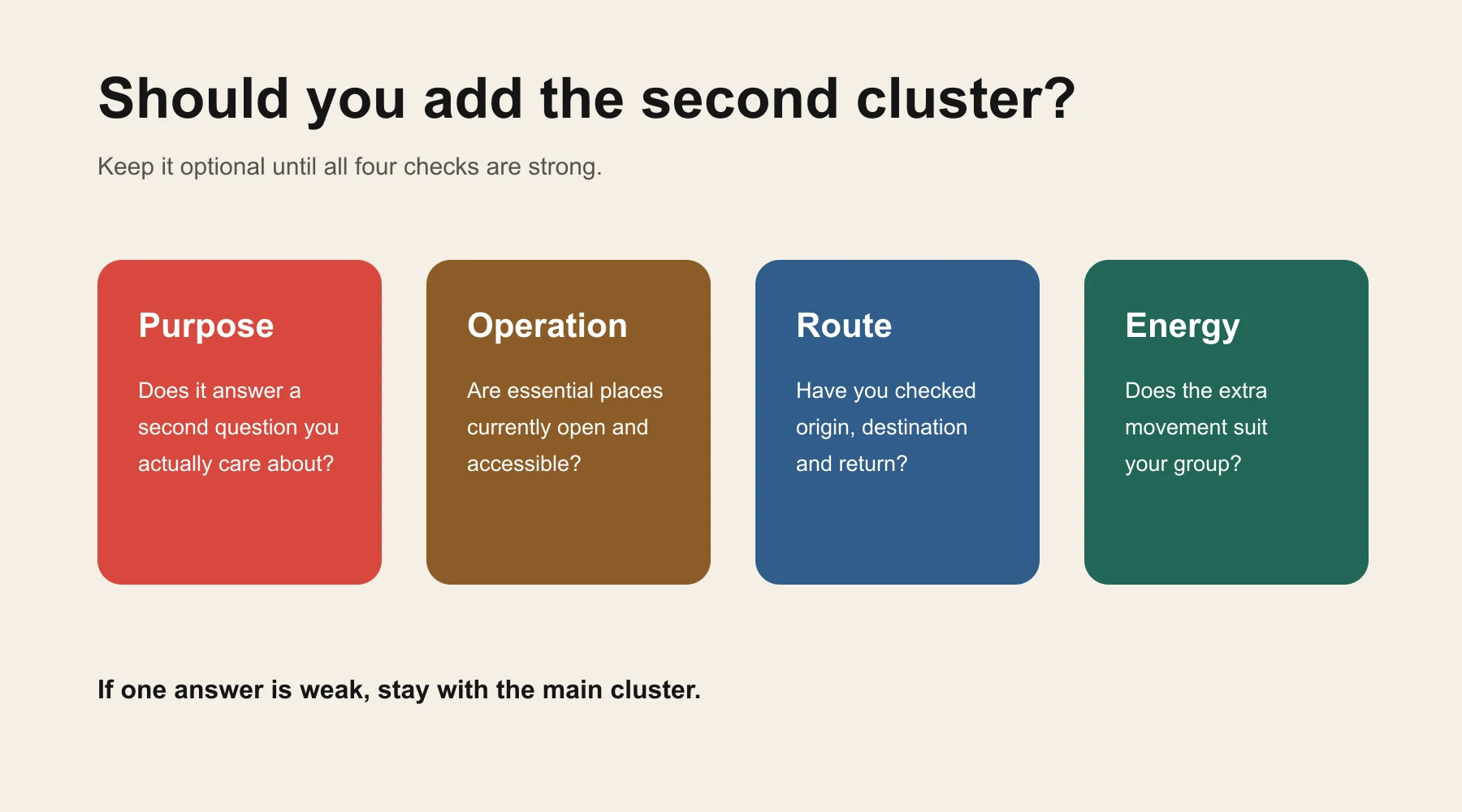
Use four checks:
- Purpose: Does the extension answer a second question you genuinely care about?
- Operation: Are the essential places currently open or accessible?
- Complete route: Have you checked the real origin, destination, transfer and return chain?
- Energy and access: Does the additional movement still suit the group?
If any answer is weak, keep the day in one cluster.
A Zumiao-first day might add Shiwan only when ceramics are a real second priority. A Shiwan-first day might add the old city only when an institutional or architectural contrast matters. The optional extension should never become a requirement for saying you have “done Chancheng.”
Avoid allocating fixed hours in an evergreen article. Dwell time changes with exhibitions, queues, rest, language, mobility and personal interest. Current transport conditions also change. Use decision points, not a minute-by-minute schedule.
Check walking and access honestly
“Old city” does not automatically mean pedestrian. “Cultural district” does not automatically mean step-free. A route between map pins may include crossings, vehicle access, uneven surfaces, controlled gates or separate entrances.
Before the visit, check:
- the current entrance for each essential place;
- whether the route uses public streets or a controlled interior;
- step-free access and lift status where required;
- shade, rest and toilet information from current operators;
- photography restrictions;
- the final route back to the hotel or onward destination.
At the site, treat public and private boundaries seriously. An attractive doorway is not an invitation to enter. Avoid photographing identifiable people as decoration for a heritage scene.
The visual story includes street scale and thresholds, not only isolated landmarks. Its dated documentary images provide place context without claiming that an entrance, programme or route still operates in the same way today.
Verify the live layer before leaving
The stable article helps you choose. The live layer determines whether today’s plan works.
Check immediately before travel:
- venue opening and temporary closure;
- tickets and reservations;
- current exhibitions or available spaces;
- performances;
- workshop availability and conditions;
- station service and appropriate exit;
- road, walking and interchange conditions;
- return options relevant to your actual day.
Use the responsible venue or transport operator as the final source. A local article or booking platform can identify a question, but it should not override the current operator.
If an essential live fact cannot be confirmed, simplify the day. One verified cluster is better than an ambitious route built on assumptions.
Build your Chancheng day
Use this sequence:
- Write the main question: institutions and streets, or ceramics and making context?
- Choose Zumiao old city or Shiwan as the main cluster.
- Select one essential anchor whose current operation you can verify.
- Add observation categories that do not depend on a scheduled event.
- Check the complete arrival and return chain.
- Keep the other cluster optional.
- Drop the extension if access, energy or current operation does not work.
This structure survives changing schedules because it does not depend on them.
Continue exploring Foshan
Use Understanding Foshan’s Five Districts if Chancheng is not yet a settled choice. For participation, start with Things to Do in Foshan; for cultural interpretation, continue with How to Read Foshan Culture.
About the author
Priya Nair is Foshan Living’s Explore Foshan correspondent. She turns districts, towns and transport choices into practical area-first guides while keeping changing opening, route and access details in a clearly marked live-check layer. See all articles by Priya Nair.
Image credits and disclosures
- hero.webp Foshan Living’s two-cluster orientation distinguishes an urban institution-and-street lens from a ceramics-and-making lens. It is not an official district classification, ranking, map or claim that the two areas are adjacent. Priya Nair / Foshan Living · Original editorial infographic created for this article
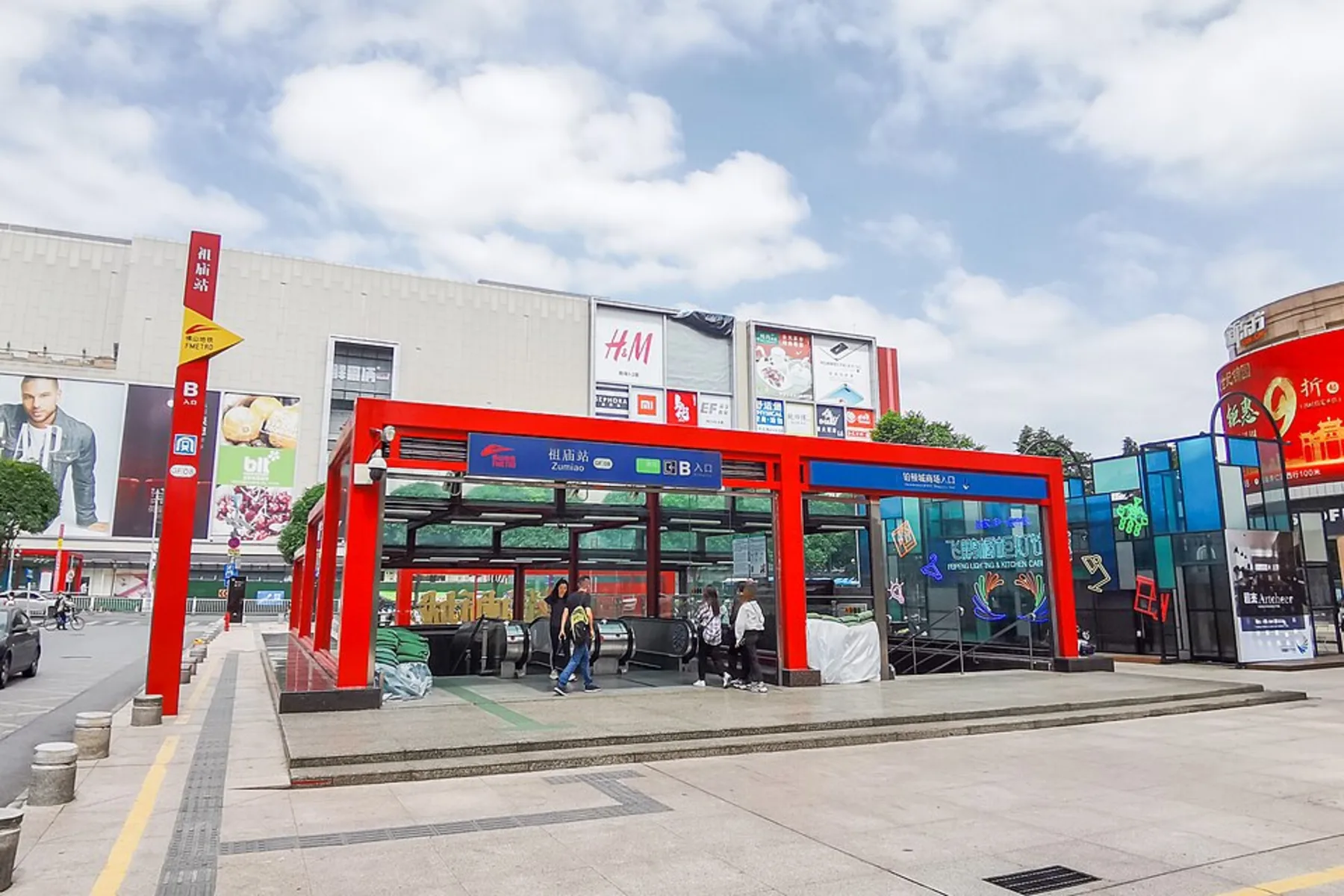
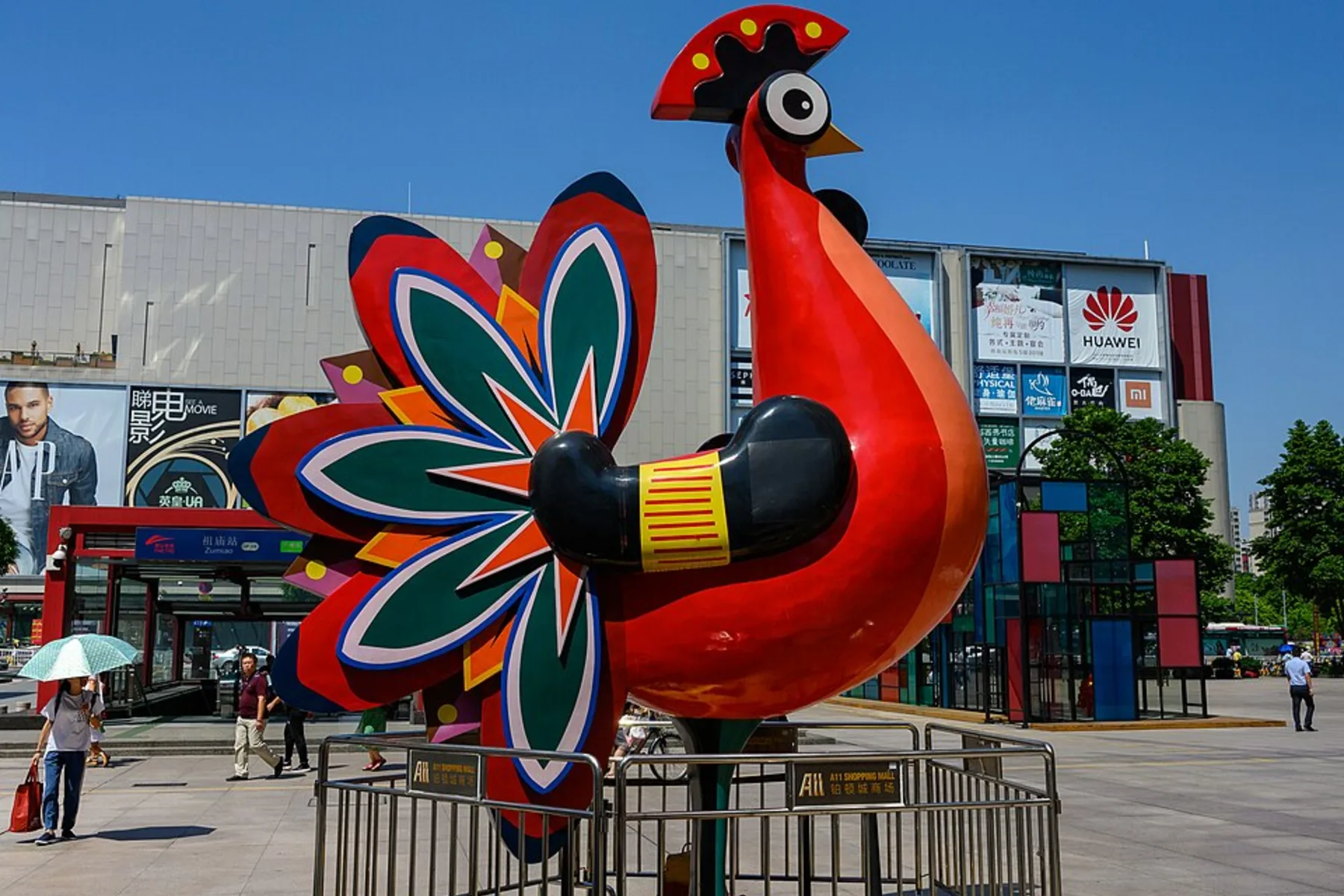
- body-01-zumiao-station.webp This dated view documents one arrival context around Zumiao Station. It does not confirm the current exit, service pattern, pedestrian route or business operation. Nissangeniss · CC BY-SA 4.0; cropped and resized derivative · CC BY-SA 4.0
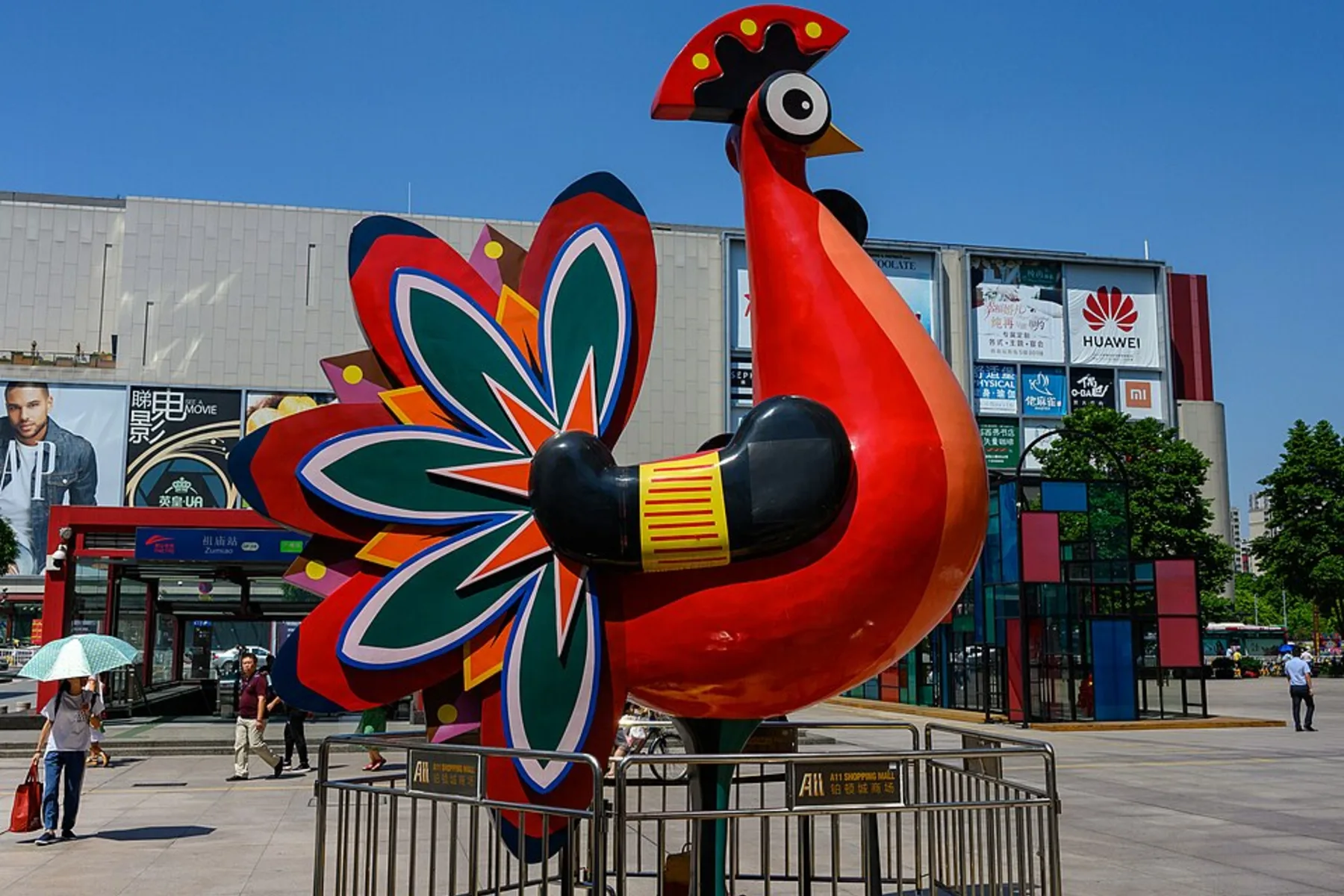
- body-02-zumiao-street.webp A street-level view near Zumiao Station shows contemporary public space beside the old-city visitor context. It does not define the boundary of a historic area or confirm current businesses. xiquinhosilva · CC BY 2.0; cropped and resized derivative · CC BY 2.0
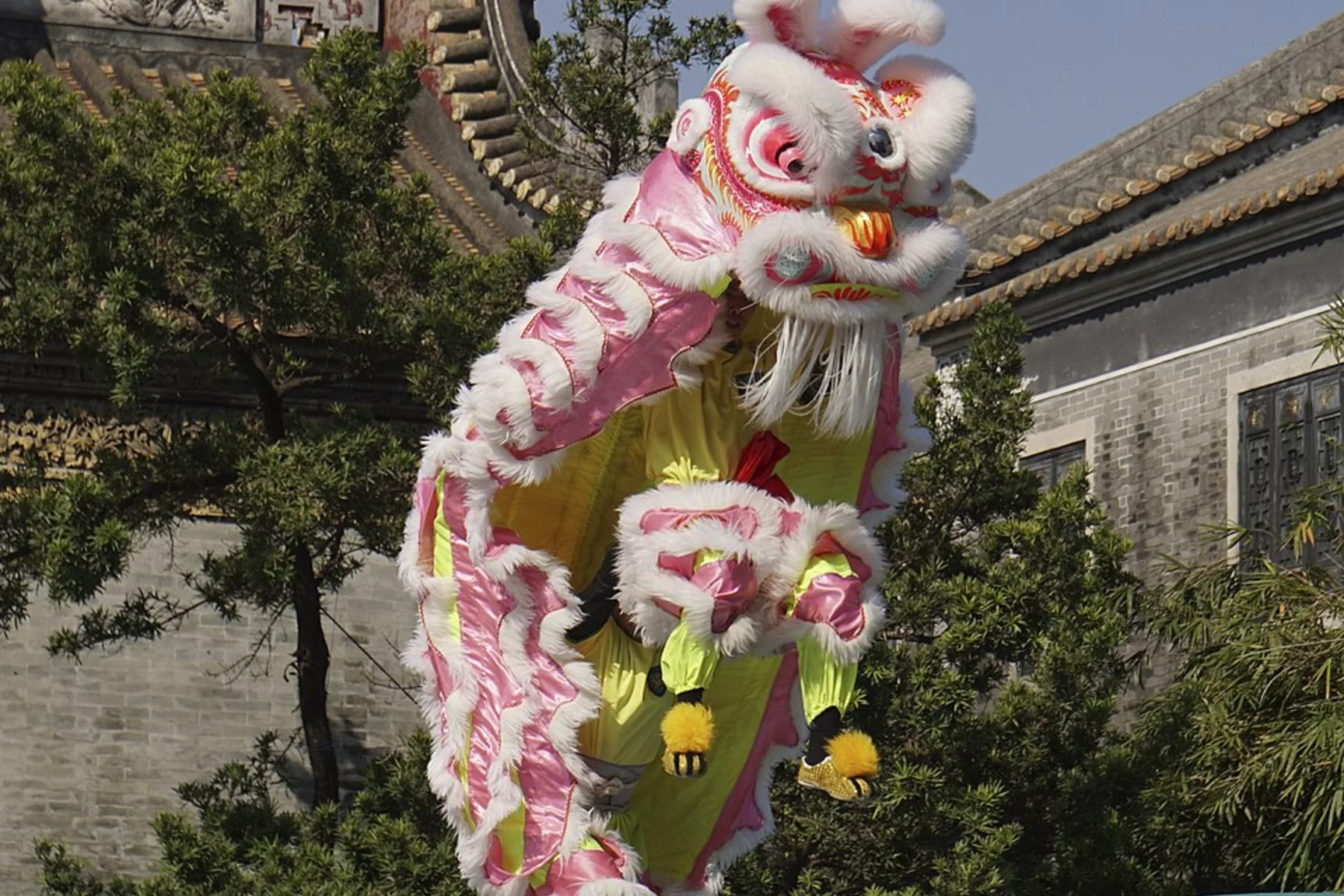
- body-03-zumiao-lion.webp A documented lion-dance performance at Foshan Ancestral Temple. It illustrates one cultural setting but does not confirm a current programme, timetable, cast or visitor entitlement. Hexocat · CC BY-SA 4.0; cropped and resized derivative · CC BY-SA 4.0
- body-04-shiwan-kiln.webp Nanfeng Kiln provides one real Shiwan setting where architecture and ceramic-production history meet. This dated photograph does not confirm current access, firing, workshops, ticketing or visitor conditions. xiquinhosilva · CC BY 2.0; resized and converted to WebP · CC BY 2.0
- body-05-extension-check.webp The four checks—purpose, operation, complete route and energy—are Foshan Living’s editorial decision aid. They are not an official itinerary or proof that the transfer works today. Priya Nair / Foshan Living · Original editorial infographic created for this article


Keep exploring
Related Foshan guides
 Explore Foshan
Chancheng or Shunde: Where Should You Start in Foshan?
Choosing between Chancheng and Shunde for a first Foshan trip? Compare heritage, food, neighbourhood pace, transport planning and where to stay.
 Explore Foshan
Understanding Foshan: A City of Five Districts
Learn how Foshan’s five districts differ, which areas suit culture, food, urban life or nature, and why every short trip needs a specific local base.
 Explore Foshan
Chancheng: Foshan’s Historic Urban Core
Understand Chancheng through the Zumiao old city and Shiwan’s ceramic heritage, with guidance on walking scale, transport checks and where to base.
 Food & drink
Shunde Food for First-Timers: A Practical Ordering Guide
Learn how to order a balanced Shunde meal, understand fish, milk and rice dishes, ask about market prices, and avoid freshwater raw-fish risk.
Plan your visitFirst Time in Foshan
Build a first trip around districts, transport, food and one deeper cultural interest.