Living & business
Living in Foshan: The Basic City Structure
Foshan works as a network of district and town centres. Start with daily destinations and transport nodes before choosing a neighbourhood.

On this page
- Think of Foshan as a network of centres
- Use the five districts as the first map layer
- Move from district to town and neighbourhood
- Nanhai shows why one district name is too broad
- Shunde makes town-first planning essential
- A district seat is an orientation point, not the whole district
- Map recurring destinations before homes
- Treat transport systems as different tools
- Build a neighbourhood shortlist in five steps
- 1. Rank the repeated destinations
- 2. Identify realistic transport chains
- 3. Find overlap areas
- 4. Add daily-life needs
- 5. Compare buildings inside the shortlist
- Test the street and building, not just the map
- Check the correct public-service jurisdiction
- Keep changing facts in a live-check layer
- Continue planning life in Foshan
- About the author
Foshan is easier to live in once you stop looking for one centre that explains the whole city. It has five districts, but the practical city is made of district centres, towns, subdistricts, neighbourhoods, workplaces and transport nodes. Two addresses inside the same district can create very different daily routines.
For a prospective resident, the useful question is therefore not “Which district is best?” It is: which neighbourhood connects my recurring destinations with the least friction?
This guide gives you an evergreen method for building that mental map. It does not rank neighbourhoods, freeze journey times or publish current rents. Those decisions require exact addresses and live checks.
What you will get from this guide: a clear role for the five district names, an explanation of why town and neighbourhood scale matters, a method for mapping work and family routines, and a checklist for testing a possible living base.
Think of Foshan as a network of centres
An administrative map and a daily-life map answer different questions. The administrative map tells you which district or local authority handles an address. The daily-life map tells you where you work, study, shop, receive care, meet people and change transport.
Those maps overlap, but they are not identical. Your nearest useful station may sit across a district boundary. A workplace and school may be inside one district but in separate town-level areas. A famous district centre may have little relevance to your repeated route.
Foshan Living uses “multi-centre” as an editorial description of this practical structure. It does not mean every centre offers the same services or that travel between them is equally simple.
Start with three layers:
- district: useful for official jurisdiction and broad orientation;
- town, subdistrict or local centre: useful for understanding the real area;
- neighbourhood and building: where the daily routine actually succeeds or fails.
Use the five districts as the first map layer
Foshan consists of Chancheng, Nanhai, Shunde, Gaoming and Sanshui. Their official government portals are the primary starting points for local notices and administrative information:
- Chancheng District Government;
- Nanhai District Government;
- Shunde District Government;
- Gaoming District Government;
- Sanshui District Government.
The district label is useful when you need to find the correct government channel, understand a broad part of the city or narrow a property search. It is too coarse for choosing a home.
Do not turn the five names into fixed lifestyle brands. A district contains lived neighbourhoods, employment areas, schools, villages, public spaces and transport conditions that cannot be reduced to one adjective. “Urban,” “industrial,” “traditional” or “quiet” may describe a specific place, not every address in a district.
Move from district to town and neighbourhood
After identifying the district, locate the exact town, subdistrict and neighbourhood. This second layer is often more useful than the district name on a property listing.

Nanhai shows why one district name is too broad
Nanhai’s official service portal separates seven town- or subdistrict-level areas. That administrative structure is sufficient to show why “living in Nanhai” is not one location.
Guicheng and Xiqiao, for example, require different location research. The distinction does not make one universally more convenient than the other. It tells you to stop comparing district-level reputations and start comparing actual destinations.
If your work, family or supplier address is in Nanhai, identify the local area before searching for housing. Then find the relevant entrances, transport nodes and evening return route.
Shunde makes town-first planning essential
Current Shunde public-service sources distinguish four subdistricts and six towns. Daliang, Ronggui, Lunjiao and Leliu are subdistricts; Chencun, Beijiao, Lecong, Longjiang, Xingtan and Jun’an are towns.
For a resident, the important point is not the administrative vocabulary. It is that “Shunde” does not describe one compact daily radius. A job in Beijiao, furniture work in Lecong and a family routine in Daliang begin from different anchors.
Choose the real anchor first. Do not assume that accommodation marketed under the wider Shunde name offers a simple daily route to every Shunde destination.
A district seat is an orientation point, not the whole district
Official local profiles identify Hecheng as Gaoming’s district-government seat and Xinan as Sanshui’s district-government seat. These are useful orientation and public-service entry points.
They do not prove that every home, workplace or outdoor destination in Gaoming or Sanshui is nearby. A district seat helps you start reading the map; exact addresses still control the final decision.
Map recurring destinations before homes
Housing platforms encourage you to begin with available properties. Reverse the process. Start with the places that shape your week.
Create a simple destination register:
| Destination | Frequency | Required arrival window | Return conditions | Flexibility |
|---|---|---|---|---|
| workplace | weekdays | fixed or flexible | daytime or late | low to medium |
| school or childcare | weekdays | fixed | fixed collection | low |
| family or care | regular | variable | may require taxi | medium |
| business client or supplier | occasional | appointment | variable | medium |
| groceries and daily services | frequent | flexible | walking preferred | high |
The table is not a scoring formula. It exposes which journeys deserve priority. A workplace reached ten times a week should usually matter more than a leisure district visited twice a month.
Map the exact entrance, not just the venue name. A large school, factory, hospital, station or commercial complex may have entrances on different roads. That difference can change the last part of the route.

Treat transport systems as different tools
Foshan residents may use metro, intercity rail, national rail, bus, taxi, private vehicle, cycling or walking. These modes do different jobs and should not be treated as one seamless network.

The Foshan Metro website is the official place to verify its current network and station information. National rail belongs to China Railway 12306. Other rail and bus services have their own operators and rules.
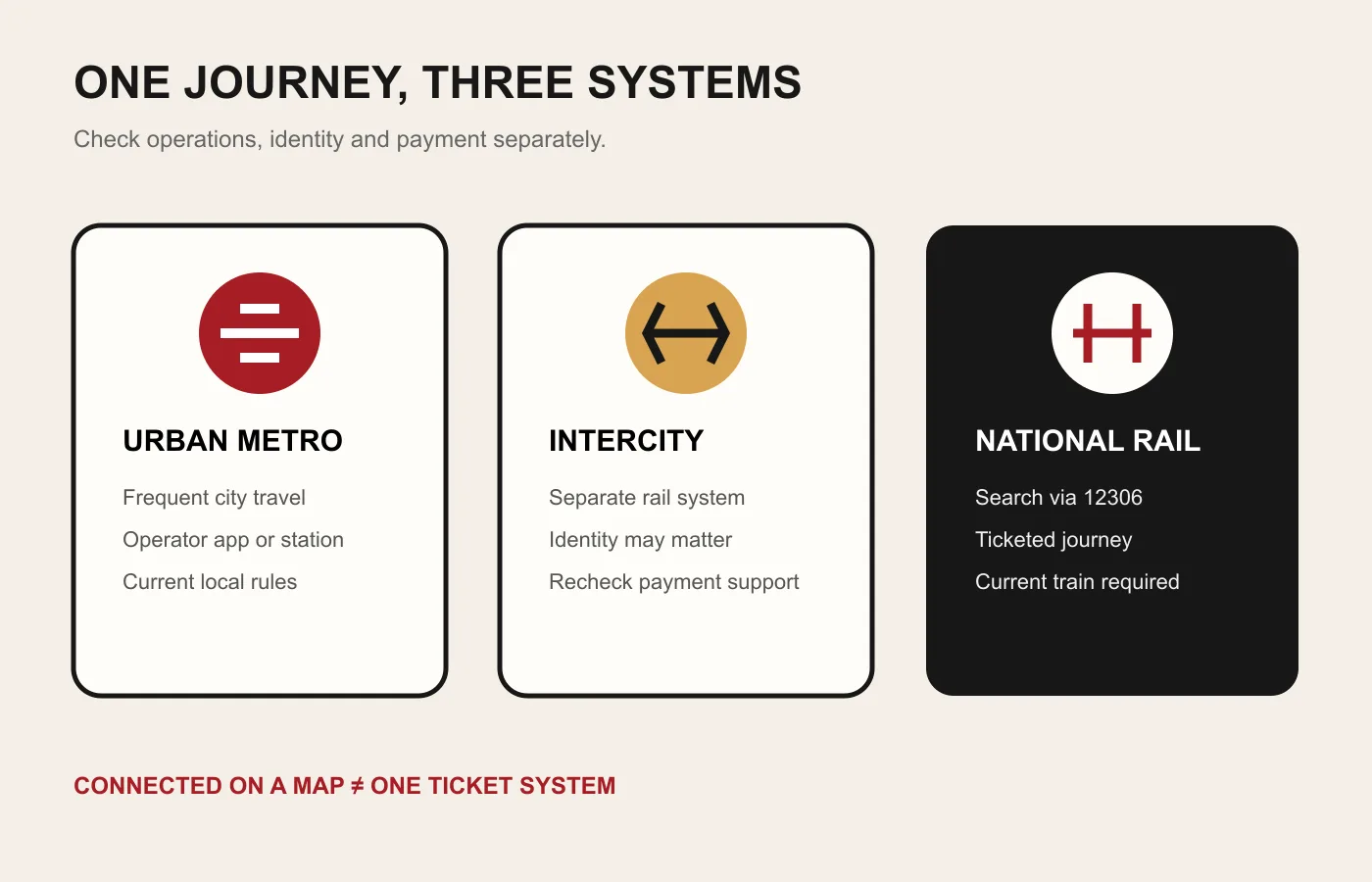
For location research, ask:
- Which system serves each repeated destination?
- Does the trip require changing between systems?
- Where is the real entrance or stop?
- What happens before the first service or after the last?
- Is the final walking segment practical in heat, rain or darkness?
- Is there a workable alternative when a connection is disrupted?
Do not copy a journey time from one test and make it an evergreen claim. Transfers, waiting, entrances, road crossings and time of day shape the real trip.
Build a neighbourhood shortlist in five steps
1. Rank the repeated destinations
List the destinations you cannot easily change. Mark their required arrival times and the number of weekly journeys.
2. Identify realistic transport chains
For each destination, write the full chain:
``text building exit → walk or feeder trip → main transport → transfer → final entrance ``
A nearby station is useful only if the whole chain works.
3. Find overlap areas
Look for neighbourhoods that make the most important two or three routes manageable. Do not search for a mathematically perfect midpoint if it creates poor transfers or an unsuitable final walk.
4. Add daily-life needs
Check groceries, ordinary meals, pharmacy access, exercise space, parcel handling and any family-specific needs. The aim is not to maximise nearby venues; it is to reduce repeated inconvenience.
5. Compare buildings inside the shortlist
Only after the area shortlist is stable should you compare individual housing. Building access, lifts, noise, management, deliveries, parking and contract terms belong to the property-level review.
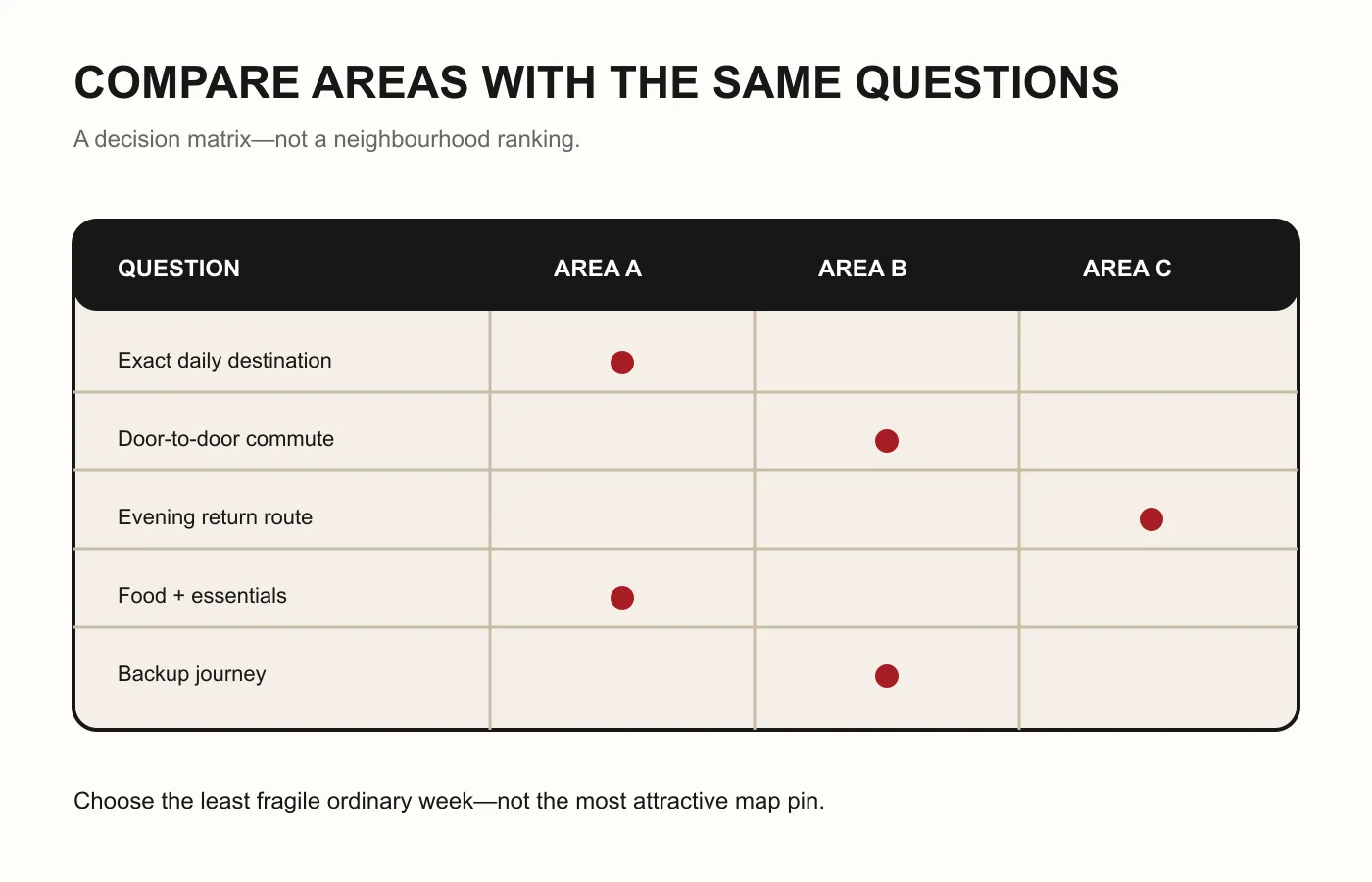
Test the street and building, not just the map
A digital map cannot show every part of the lived route. Visit a shortlisted area at the time you expect to use it.
Walk from the relevant transport exit to the building entrance. Notice road crossings, shade, lighting, slopes, barriers and whether the public route continues all the way. Check where taxis or ride-hailing vehicles can actually stop.
Repeat the test in the evening if your routine includes late returns. A daytime inspection does not answer a nighttime question.
Inside the building, verify the actual unit and shared areas. Do not treat a model room, listing photograph or agent description as proof of the condition you will receive.
Check the correct public-service jurisdiction
District and town-level structure also matters when you look for public services. The right entry point depends on the address, the matter and the responsible department.
Use the Guangdong Government Service Network’s Foshan portal to find the current matter guide, then confirm:
- the responsible region and department;
- whether the service is personal or business-related;
- the current eligibility and required materials;
- whether it is handled online, in person or through another departmental system;
- the appointment, address and office information at the time of use.
Do not assume that living near a district centre changes eligibility or that every matter can be completed at the nearest service hall.
Keep changing facts in a live-check layer
The city structure changes slowly. The details that determine a specific move can change quickly.
Recheck these before deciding:
- rent, deposits and property availability;
- contract and registration requirements;
- school, healthcare or other service eligibility;
- current transport operation and station access;
- road works and building access;
- parking and vehicle rules;
- office addresses, appointments and processing requirements.
An evergreen guide should tell you where and how to verify, not preserve a temporary answer as permanent city knowledge.
Continue planning life in Foshan
Start with Foshan’s five districts for citywide orientation, then use the first-time Foshan guide to understand the visitor-facing city before separating that map from your future daily routine. Planned transport and public-service child guides will be linked here only after they pass the same publication gate.
About the author
Tom Ashworth covers living and business for Foshan Living. He explains how city structure, public systems and commercial geography affect practical decisions, while keeping policy, price and operator details in a clearly dated verification layer. See all articles by Tom Ashworth.
Image credits and disclosures
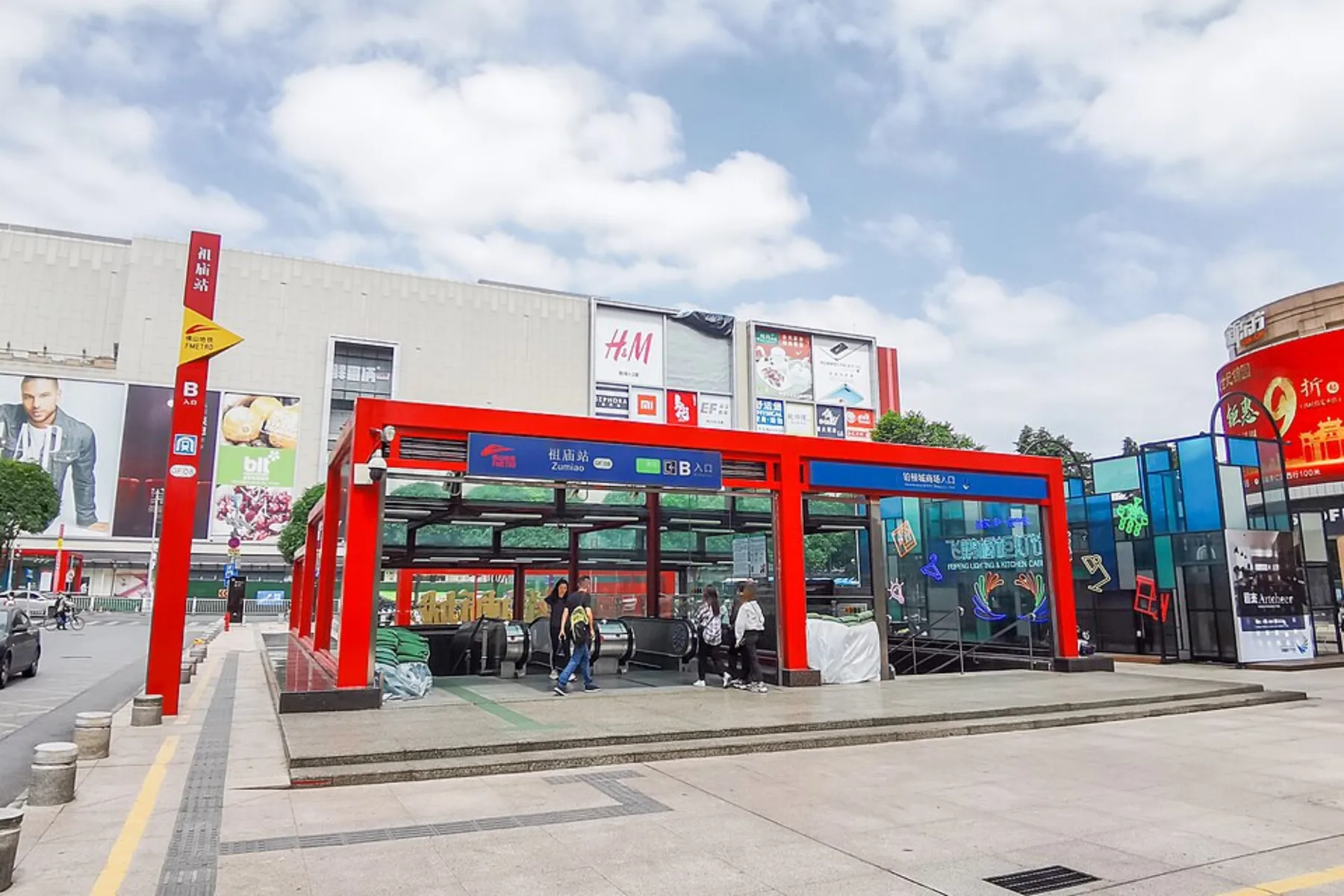
- hero.webp Zumiao Station provides one real street-level example of a Foshan centre. It does not represent every district centre or confirm a current exit, route or service condition. Nissangeniss · CC BY-SA 4.0; cropped and resized derivative · CC BY-SA 4.0
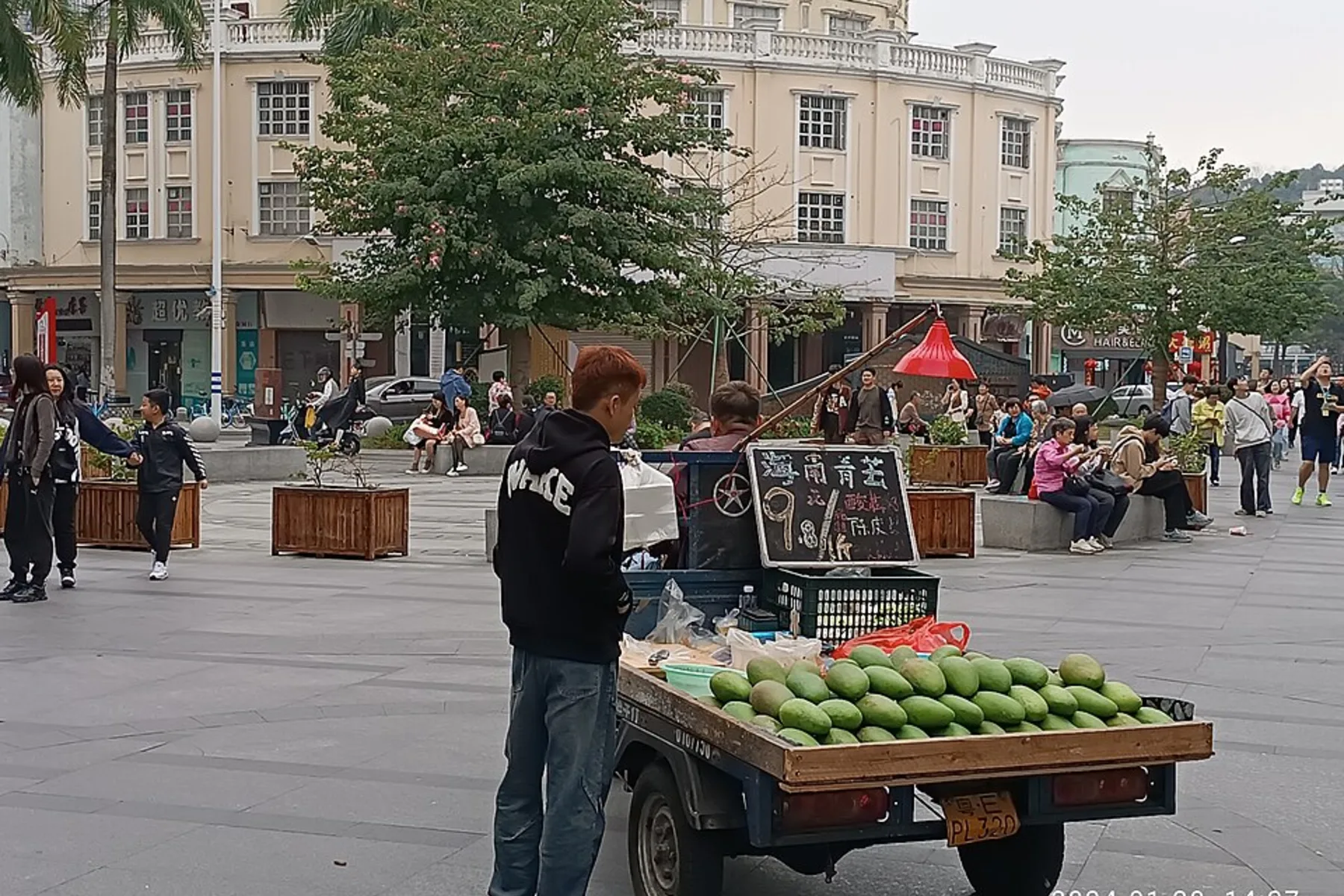
- body-01-neighbourhood.webp Huagai Road shows one lived-in public-commercial environment in Daliang. The photograph does not rank the neighbourhood, recommend a business or confirm current trading conditions. Lau Hau Yatyue Tiger · CC0; cropped and resized for web · CC0
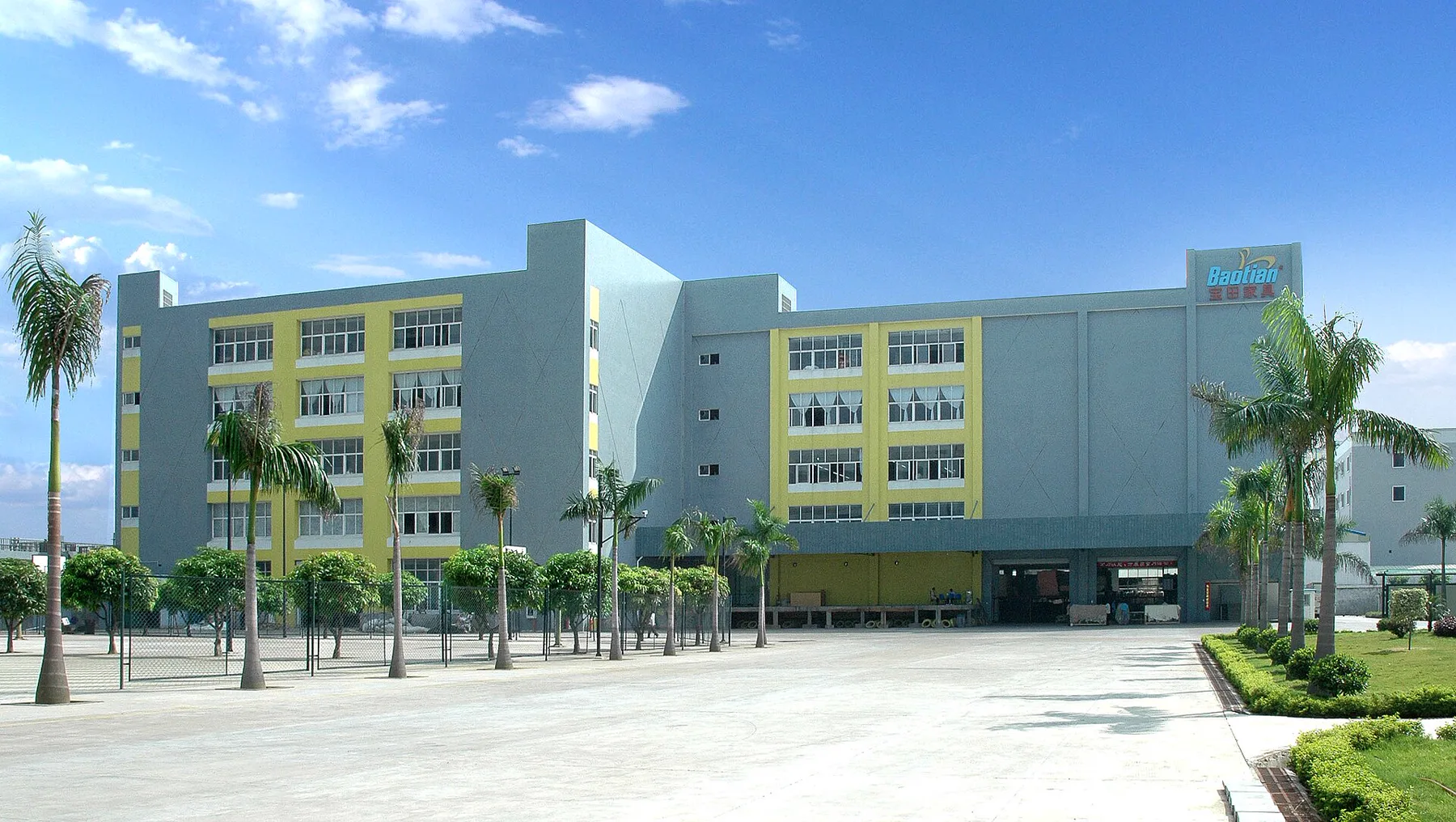
- body-02-workplace.webp This Shunde factory exterior documents one possible workplace scale and entrance context. It does not endorse the company or support claims about current employment, access, output or product quality. Baotianliao · CC BY-SA 4.0; cropped and resized derivative · CC BY-SA 4.0
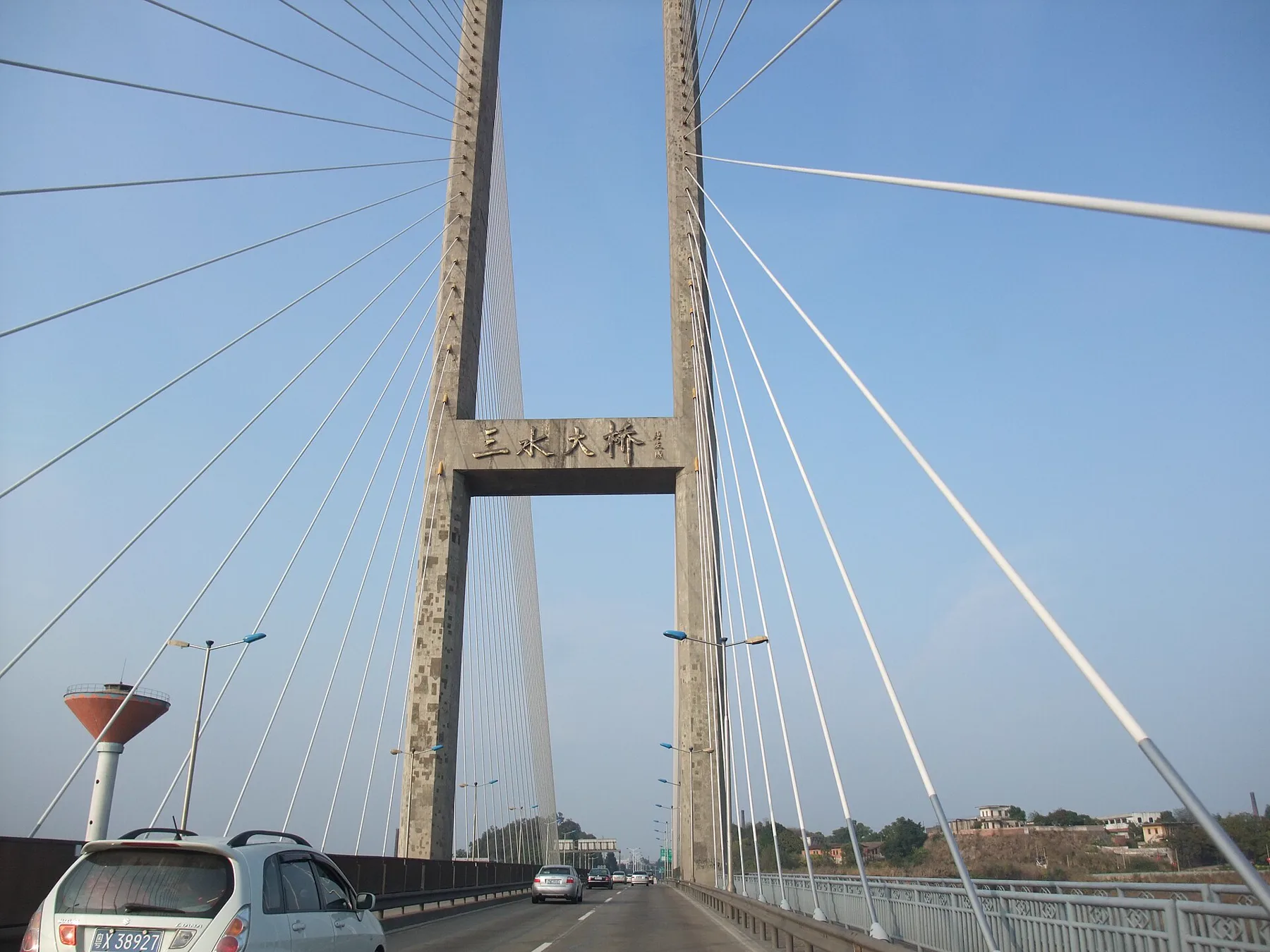
- body-03-sanshui-bridge.webp Sanshui Bridge records one piece of Foshan’s physical transport infrastructure. It is not a route recommendation and does not establish current traffic, access or travel time. 海中梁伟汉 · CC BY 3.0; cropped and resized derivative · CC BY 3.0
- body-04-transport-systems.webp Foshan Living editorial diagram. The three systems may appear in one journey, but each requires its own current operating, identity and payment check. This is not a service map. Tom Ashworth / Foshan Living · Project-original infographic reused from the accepted moving-to-Foshan package
- body-05-area-comparison.webp Foshan Living editorial decision matrix. It compares the questions applied to candidate areas; it does not score or rank real Foshan neighbourhoods. Tom Ashworth / Foshan Living · Project-original infographic reused from the accepted moving-to-Foshan package

Keep exploring
Related Foshan guides
 Explore Foshan
Chancheng or Shunde: Where Should You Start in Foshan?
Choosing between Chancheng and Shunde for a first Foshan trip? Compare heritage, food, neighbourhood pace, transport planning and where to stay.
 Explore Foshan
Understanding Foshan: A City of Five Districts
Learn how Foshan’s five districts differ, which areas suit culture, food, urban life or nature, and why every short trip needs a specific local base.
 Explore Foshan
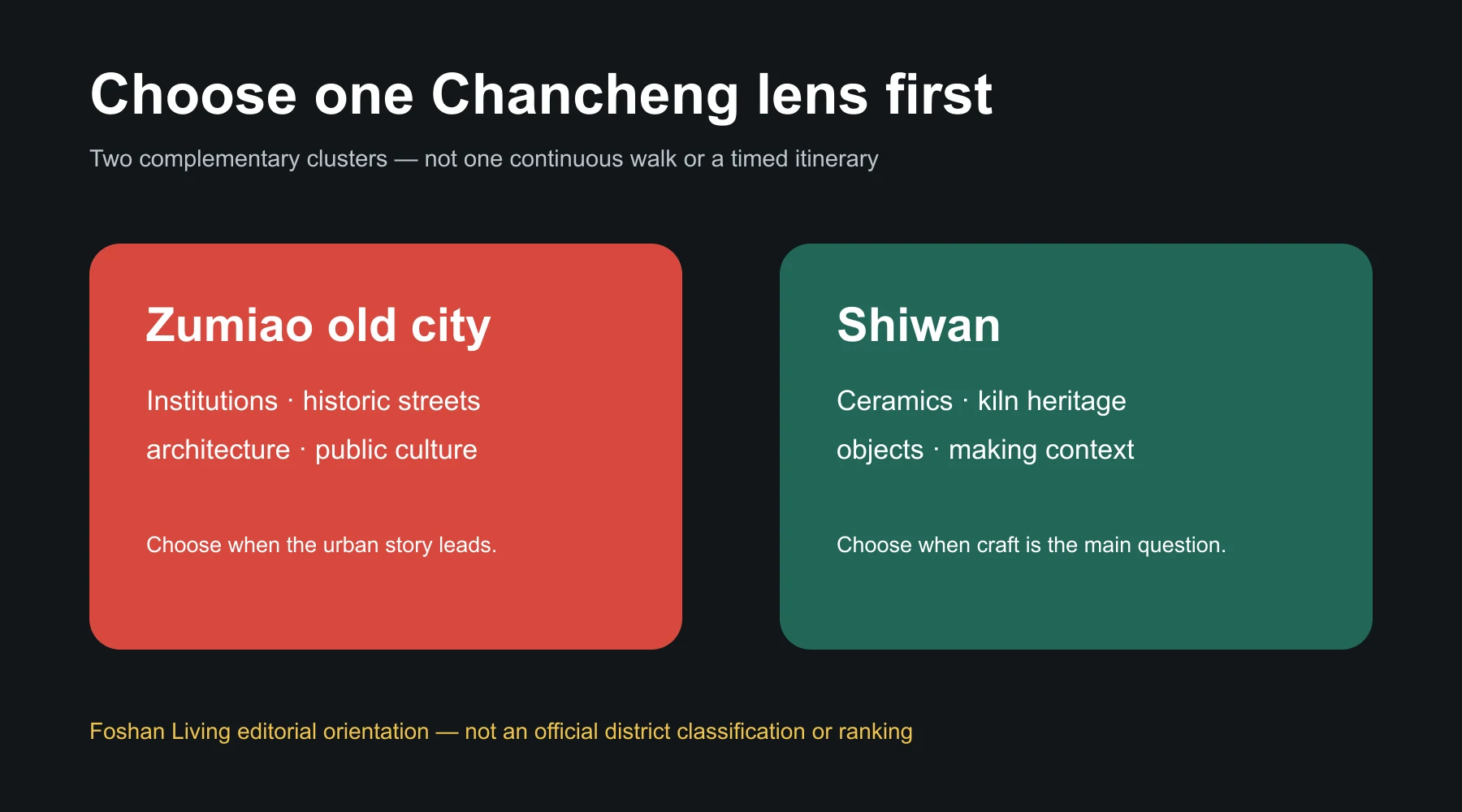
Zumiao Old City or Shiwan: How to Choose Your Chancheng Day
Compare Zumiao old city and Shiwan, choose one main Chancheng cluster, and add the other only after checking the complete route and current access.
 Explore Foshan
Chancheng: Foshan’s Historic Urban Core
Understand Chancheng through the Zumiao old city and Shiwan’s ceramic heritage, with guidance on walking scale, transport checks and where to base.
Plan your visitFirst Time in Foshan
Build a first trip around districts, transport, food and one deeper cultural interest.