Furniture & design
Why Foshan Matters in Furniture and Design
Foshan’s design story is distributed across furniture towns, ceramic craft, historic districts and contemporary spaces. This guide shows how to read those connections.

On this page
- Start with a distributed design geography
- Treat furniture as a planned destination
- Separate the area, operator and building
- Observe before evaluating
- Use Shiwan to connect material and process
- Read architecture as design at another scale
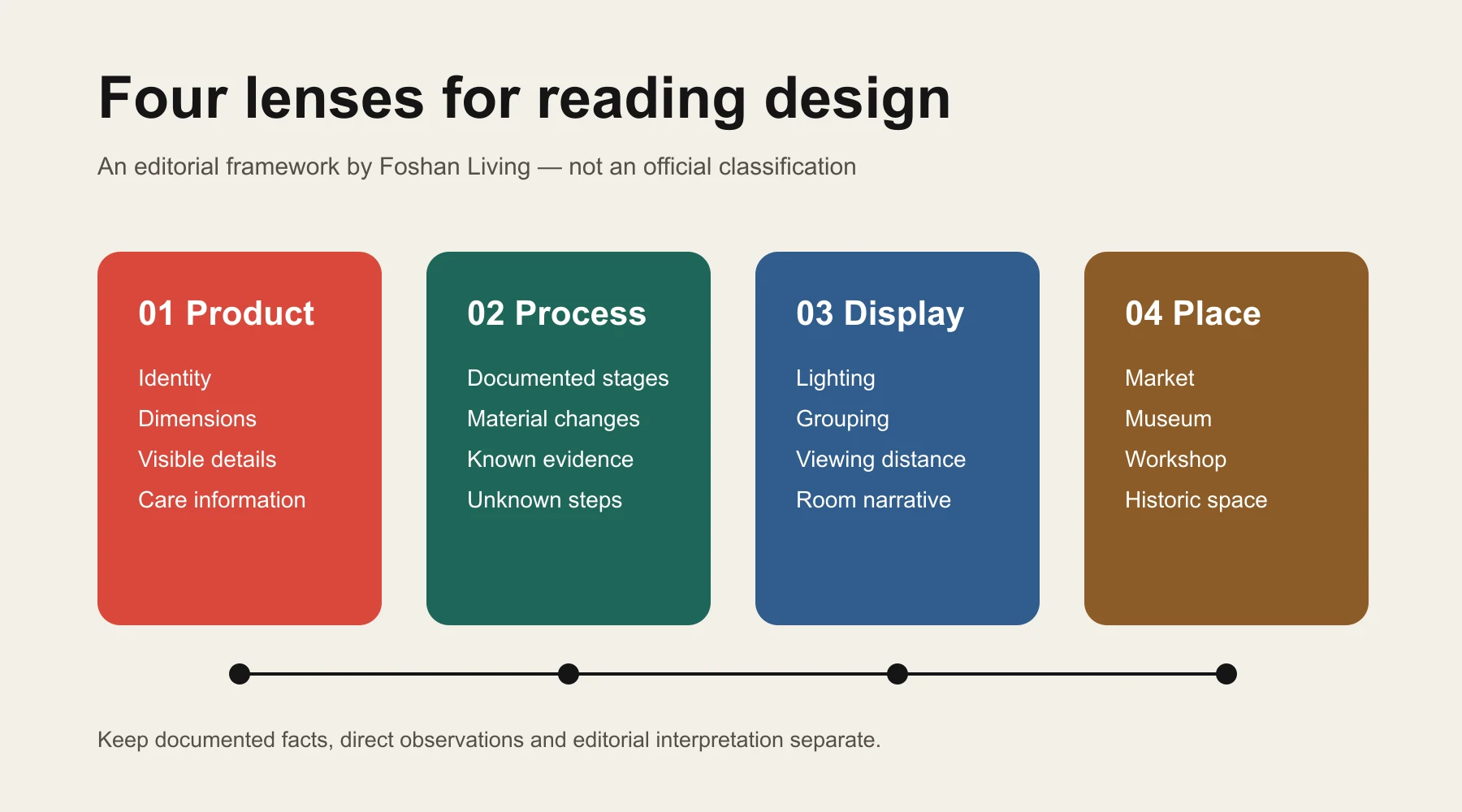
- Use four lenses: product, process, display and place
- Product
- Process
- Display
- Place
- Build a focused design day
- Keep observation separate from performance claims
- Keep Ana’s design scope separate from procurement
- Continue exploring Foshan design
- About Ana Ribeiro
Foshan matters to a design-minded visitor because furniture, ceramic craft and designed space can be read within one city—but not in one compact centre and not as one visual style.
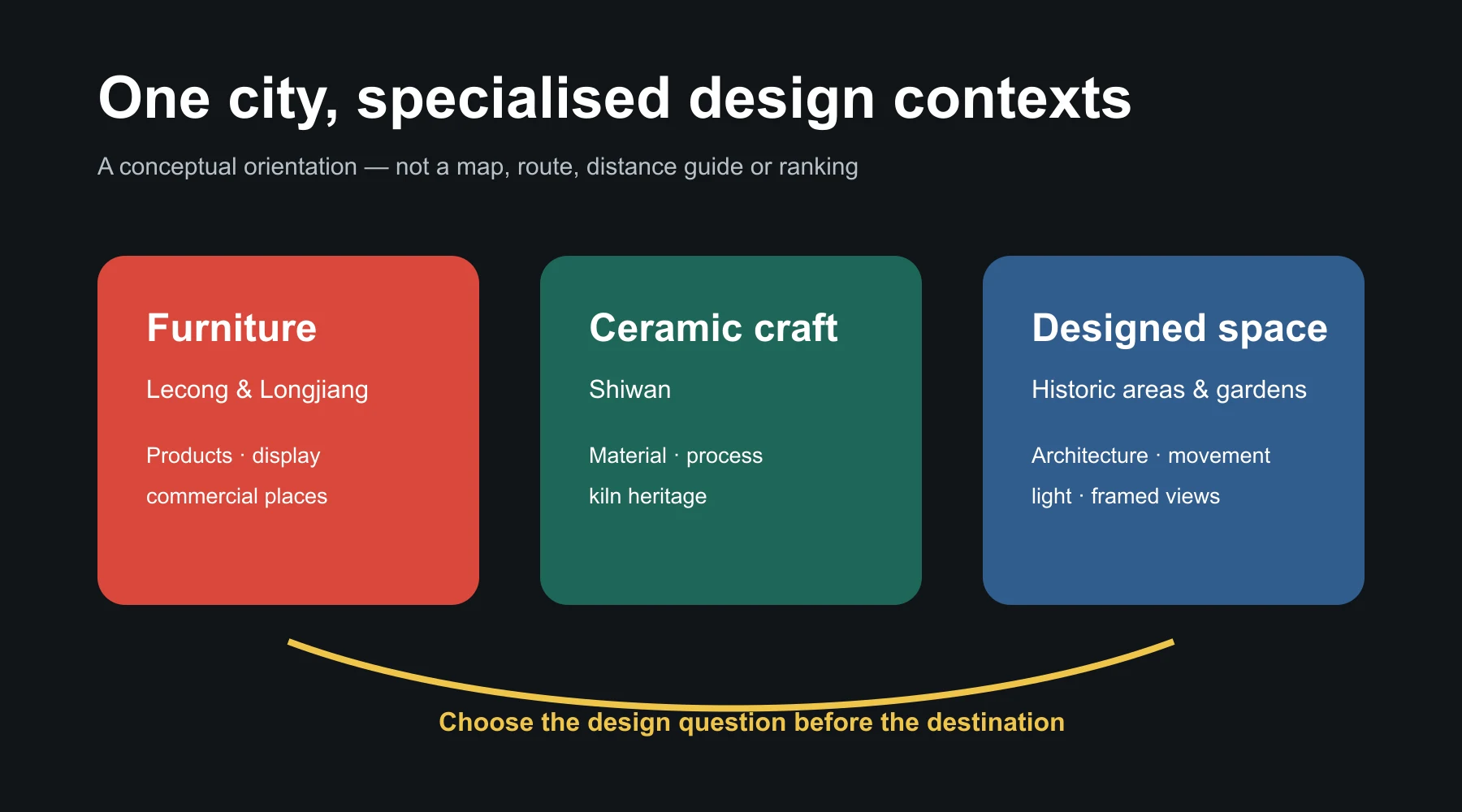
The useful story is a relationship among specialised places. Furniture-related activity points toward Lecong and Longjiang in Shunde; ceramic culture has a strong public presence in Shiwan; historic urban areas, gardens and adapted buildings reveal design at architectural scale. Moving among those subjects shows how products, making and display depend on place.
This is an orientation guide. It does not rank markets, recommend suppliers or claim that products made in Foshan share one quality level. It helps readers choose a design question before choosing a destination.
Start with a distributed design geography
Foshan is a multi-centred city. Administrative districts contain towns and specialised destinations that cannot be treated as neighbouring rooms in one design museum. For a visitor, the subject often determines the geography.
Furniture points toward specific parts of Shunde, especially Lecong and Longjiang. Shiwan belongs to a different part of the city and offers a ceramic-craft context. Foshan Old City and Shunde Old City are distinct historic urban areas under the official conservation framework, while gardens and public cultural institutions add other ways to read material and space.
That distribution changes the planning question. Instead of asking “Where is the design district?”, ask:
- Do I want to compare furniture and display environments?
- Do I want to follow material through a documented making process?
- Do I want to study how architecture shapes movement and attention?
- Do I want to compare how the same object is framed by a shop, museum or historic interior?
The answer should select the place. A broad district name is rarely a sufficient destination, and a long list of subjects does not create a coherent route.
Treat furniture as a planned destination
Existing Chinese public and operator sources support a careful claim: Lecong is associated with furniture commerce, and the broad phrase “Lecong furniture market” covers multiple separately named commercial destinations.
This matters because furniture is not background scenery that a visitor encounters while walking through a conventional city centre. It demands an address-led plan. Treat the area, operating entity, building, entrance and internal zone as separate facts that must be verified.
It does not support promotional claims about being the world’s largest, having a permanent number of brands or offering every category in every building. Scale figures, tenant lists, floor layouts and opening arrangements can change.
Separate the area, operator and building
Use “Lecong” as geographic orientation, not as a final pin. A market association directory identifies several distinct commercial entities, while operator pages confirm that named destinations have their own addresses and identities. That evidence is enough to show plurality; it is not a ranking.
Before visiting, record:
- the official Chinese name of the destination;
- its current operating entity;
- the exact building or zone;
- the public entrance and access rule;
- the specific category or display question you want to study.
This simple separation prevents a taxi, map search or translated message from taking you to the wrong place.

Observe before evaluating
A first furniture visit can be valuable without becoming a buying trip. Observe how products are grouped, how room settings construct a lifestyle story and how display distance changes the perception of scale.
Look for written product identity, dimensions, stated materials, care information and model references. Record what the label says separately from what a salesperson says and what you infer from appearance.
This observation method does not decide whether a product is compliant, durable or suitable for a contract.
Use Shiwan to connect material and process
Shiwan offers a different design lesson. The national intangible-cultural-heritage record for Shiwan ceramic sculpture documents several object forms and a sequence that includes concept development, clay preparation, forming, decoration, glazing and firing.
For a design reader, the importance lies in the chain of decisions. A finished surface is not the whole object. Intended use, material preparation, form, decoration and firing all contribute, even when only some stages remain visible.
The Guangdong Shiwan Ceramics Museum also provides official entry points for artistic, everyday, garden and architectural ceramics. Those categories expand the reading beyond figurines. Ceramics can be hand-held, displayed, used in a garden or integrated with a building.
This does not make ceramic evidence transferable to furniture. A ceramic process cannot prove the species of wood, the composition of upholstery, the strength of hardware or the safety of a finish. Its value is editorial: it teaches readers to ask which stages are documented and which remain unknown.

Read architecture as design at another scale
Furniture organises bodies within a room. Architecture organises bodies, objects, light and movement across a larger sequence.
Foshan’s official historic-city conservation framework identifies Foshan Old City and Shunde Old City as distinct areas rather than one continuous visitor zone. Public architecture research also distinguishes protected fabric, repair, adaptive use and new interventions. This encourages precise observation instead of calling every grey-brick environment “ancient.”
In a garden or historic building, notice:
- where a passage compresses and a courtyard opens;
- how a corridor connects rooms while shaping shade and views;
- how an object is positioned relative to a wall, window or threshold;
- whether decoration belongs to structure, enclosure or applied surface;
- where historic fabric meets contemporary service or display needs.
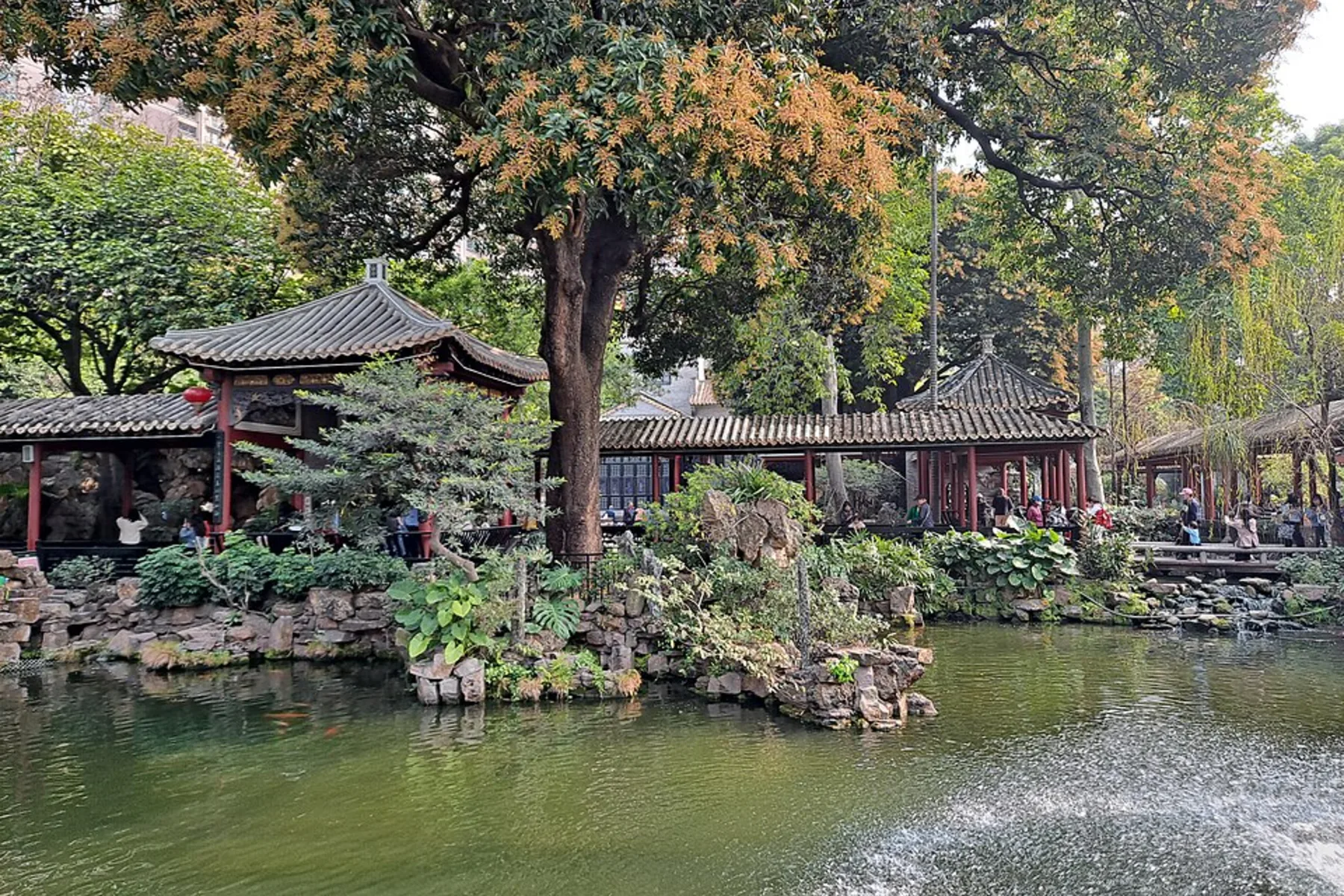
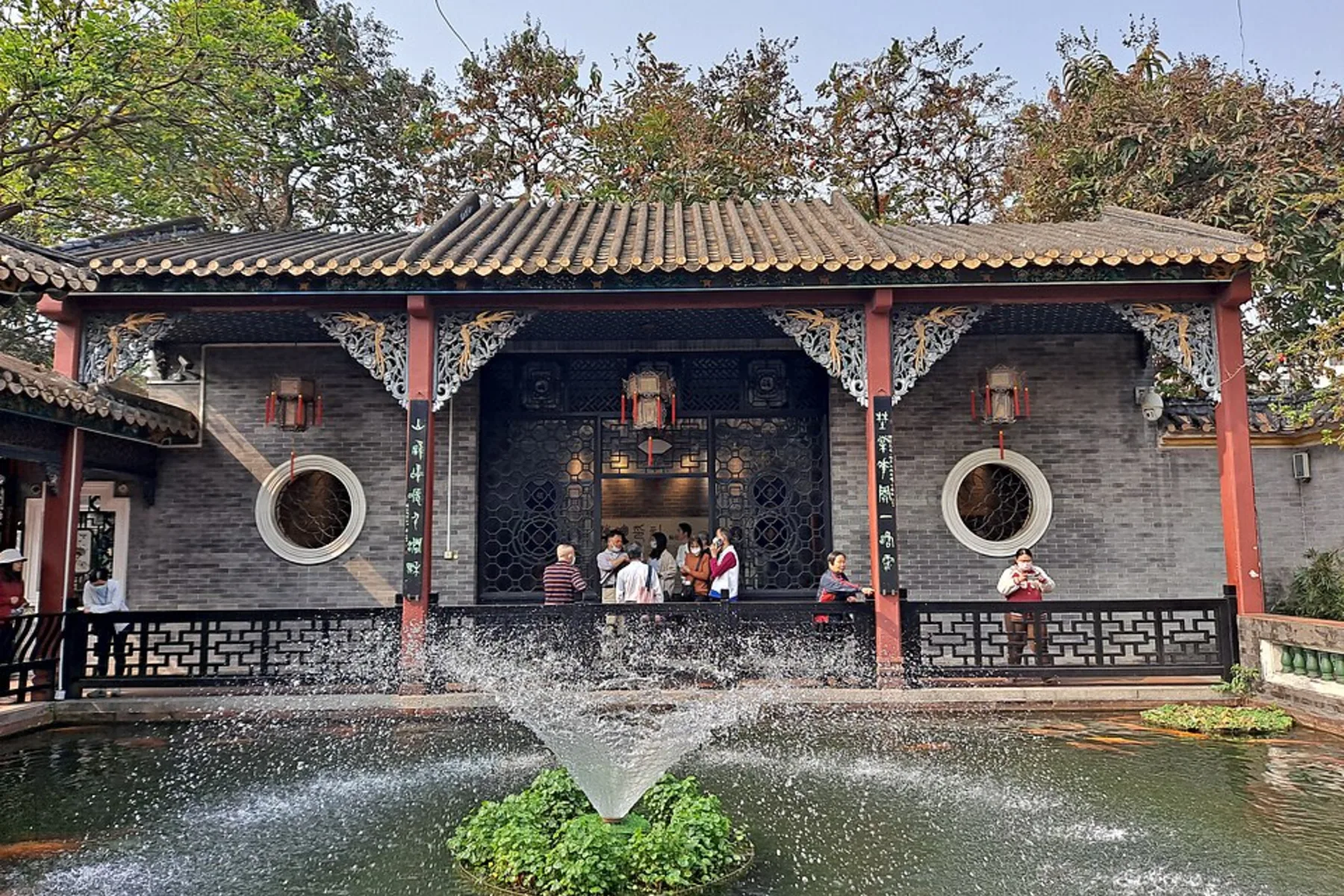
The official Qinghui Garden material on covered corridors, for example, describes how a corridor can connect buildings and organise changing views. The lasting design lesson is spatial; current access and repairs still require the operator’s latest information.
Architecture also improves showroom reading. Lighting, wall colour, plinth height, circulation and neighbouring objects are active design choices. A chair or cabinet can appear smaller, softer or more luxurious because of its setting. Display is never neutral.


Use four lenses: product, process, display and place
The following framework belongs to Foshan Living. It is an editorial tool, not an official classification of Foshan design.
Product
Record the object’s model or label, dimensions, stated materials, visible junctions, moving parts and care instructions. Use precise language: “visible seam,” “label states,” or “surface appears” rather than converting observation into a hidden construction fact.
If a detail affects safety, durability or compliance, appearance is insufficient. Record it as an unresolved question until a product-specific standard or technical record is available.
Process
Ask which stages are documented. Shiwan’s heritage record offers an official process sequence for ceramic sculpture. Furniture needs its own product evidence; do not borrow the ceramic sequence as a technical substitute.
Process questions can still be useful: Was the form assembled, shaped or cast? Which surface stage is stated? What remains concealed? The answers must come from documentation or an accountable source, not confidence alone.
Display
Record how the environment directs judgement. Is the product shown alone, in a room composition or beside alternatives? Can the visitor approach from every side? Does lighting hide or emphasise texture? Is the object raised, fixed or functioning?
Display analysis explains perception. It does not prove product performance.
Place
Name the type of place: commercial building, museum, kiln heritage, public street, workshop or historic interior. Each carries a different authority.
A museum label can establish collection information. A market label can identify a product claim. A workshop demonstration can show a current process. None automatically validates the others.
Build a focused design day
Choose one primary lens and one supporting lens. A furniture day might combine market structure with showroom observation. A Shiwan day might combine documented object types with kiln or architectural context. An architecture day might compare a garden sequence with an adapted public building.
Do not force Lecong, Shiwan and Shunde Old City into one continuous walk. Confirm actual addresses and transport, then protect enough time for notes.
Bring a simple record sheet:
- destination and exact building;
- object or space identifier;
- documented facts;
- direct observations;
- questions that remain unanswered;
- photograph number and permission status;
- source or staff contact for later verification.
This turns a visit into reusable research rather than a stream of impressions.
Keep observation separate from performance claims
Design writing becomes unreliable when it turns appearance into a technical conclusion. A smooth surface does not prove a coating’s composition. A heavy object does not prove durability. A well-staged room does not prove that dimensions suit a home.
Use three evidence labels:
- documented: stated by an accountable source or product record;
- observed: directly visible, measured or photographed under permission;
- editorial interpretation: a reasoned design reading that does not claim hidden facts.
This distinction is especially important when connecting heritage and contemporary design. Historical material can sharpen observation, but it does not certify modern products.
Keep Ana’s design scope separate from procurement
Ana Ribeiro’s Furniture & design coverage ends at informed observation: product identity, material language, visible craft, display and spatial context.
Supplier verification, quotation, contract, payment, production capacity, factory audit, inspection, packaging, export, logistics and after-sales handling belong to Tom Ashworth’s Living & business coverage. A beautiful showroom or culturally rich object is not commercial due diligence.
The division protects the reader. Ana can help you see and record; Tom’s framework governs how a business claim must be verified before money, production or shipment is involved.
Continue exploring Foshan design
Use this article as a hub. First choose the right Foshan district, then plan a specific Lecong visit, read a Foshan showroom, study Shiwan’s material process or apply the materials-and-craft recording method according to your question. For a wider cultural frame, continue with How to Read Foshan Culture.
Foshan matters not because everything shares one style, but because specialised places allow product, process, display and architecture to be compared without pretending they are the same kind of evidence.
About Ana Ribeiro
Ana Ribeiro covers furniture, materials, craft and designed spaces for Foshan Living. She focuses on helping general readers separate documented facts, visible details and editorial interpretation—without turning design observation into a product-performance or procurement claim. Visit her author page to see all of her Foshan Living articles.
Image credits and disclosures
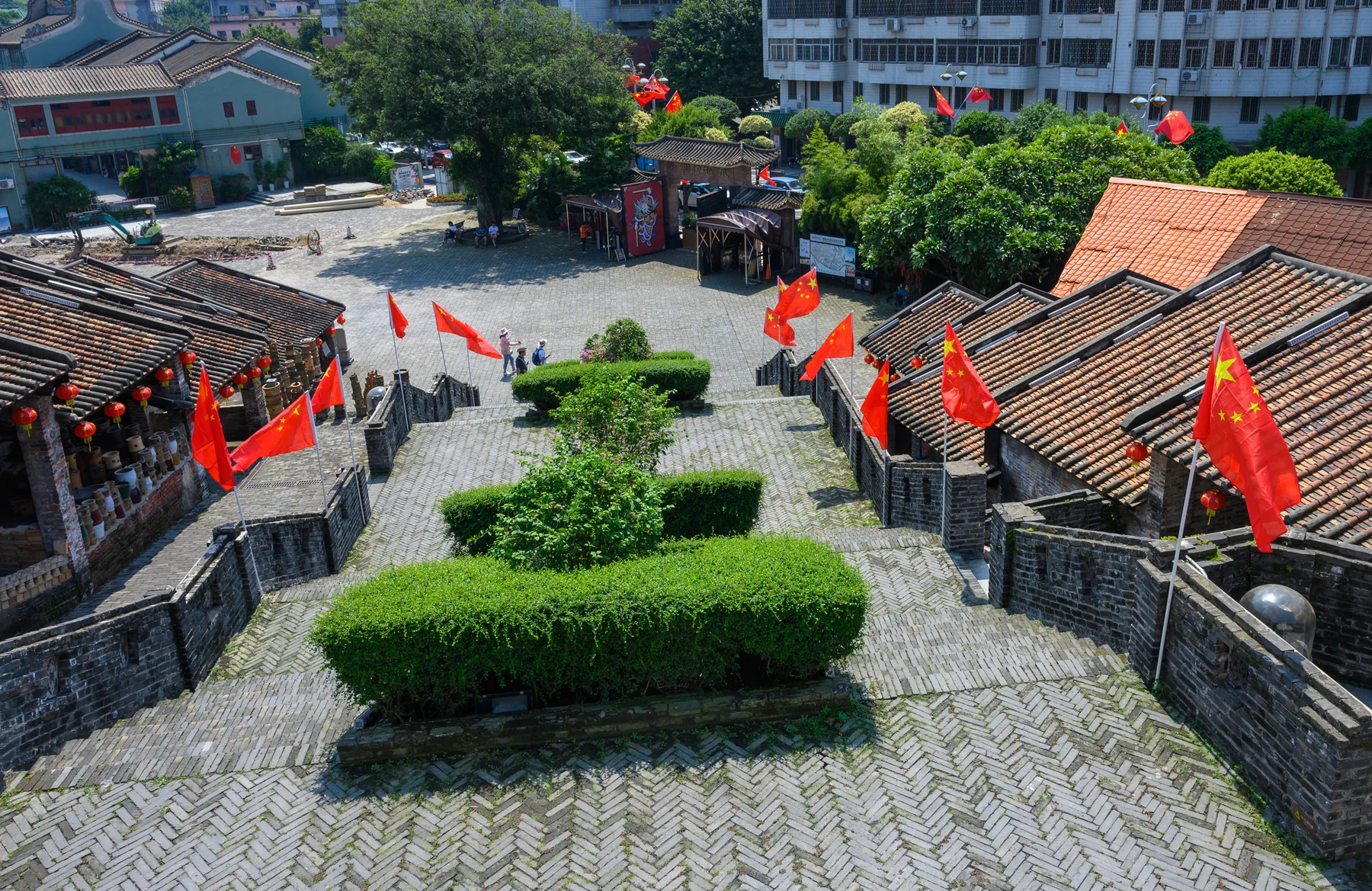
- hero.webp Nanfeng Kiln is one real Shiwan setting where architecture and ceramic-production history meet. This dated photograph does not confirm current access, firing, ticketing or visitor conditions. xiquinhosilva · CC BY 2.0; resized and converted to WebP · CC BY 2.0
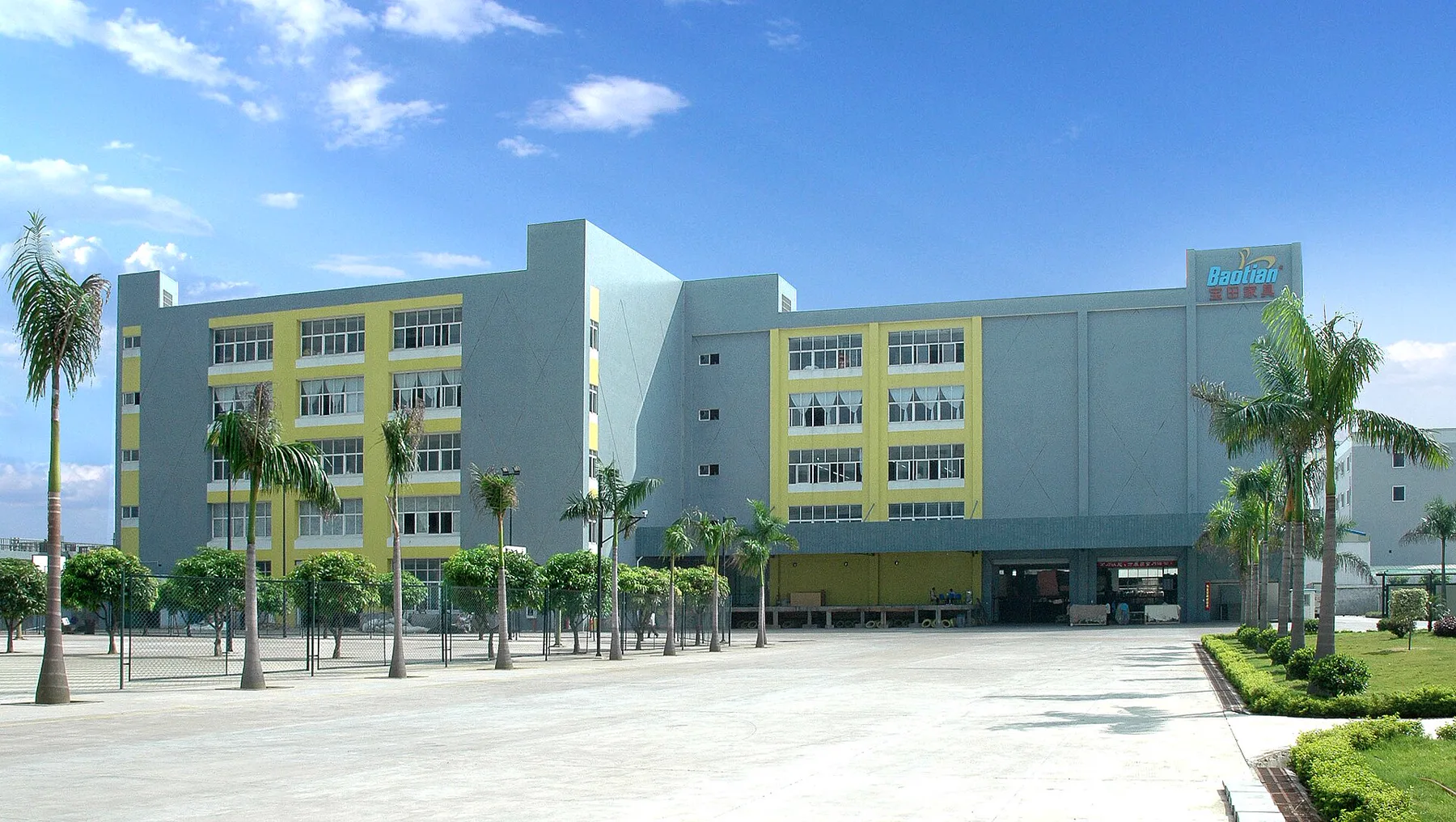
- body-01-furniture-production.webp This Shunde factory exterior documents one real production setting. It is not Lecong market, does not endorse the company and supports no claim about current access, output, product quality or employment. Baotianliao · CC BY-SA 4.0; cropped and resized derivative · CC BY-SA 4.0
- body-02-qinghui-corridor.webp Qinghui Garden provides one real Shunde context for reading corridors, water and framed views. It does not represent every Lingnan garden or confirm current access. EditQ · CC BY-SA 4.0; cropped and resized derivative · CC BY-SA 4.0
- body-03-qinghui-pond.webp A second Qinghui Garden view shows how buildings, vegetation and water compose a spatial sequence. It is the same venue as the preceding image and is not counted as a second local subject. EditQ · CC BY-SA 4.0; cropped and resized derivative · CC BY-SA 4.0
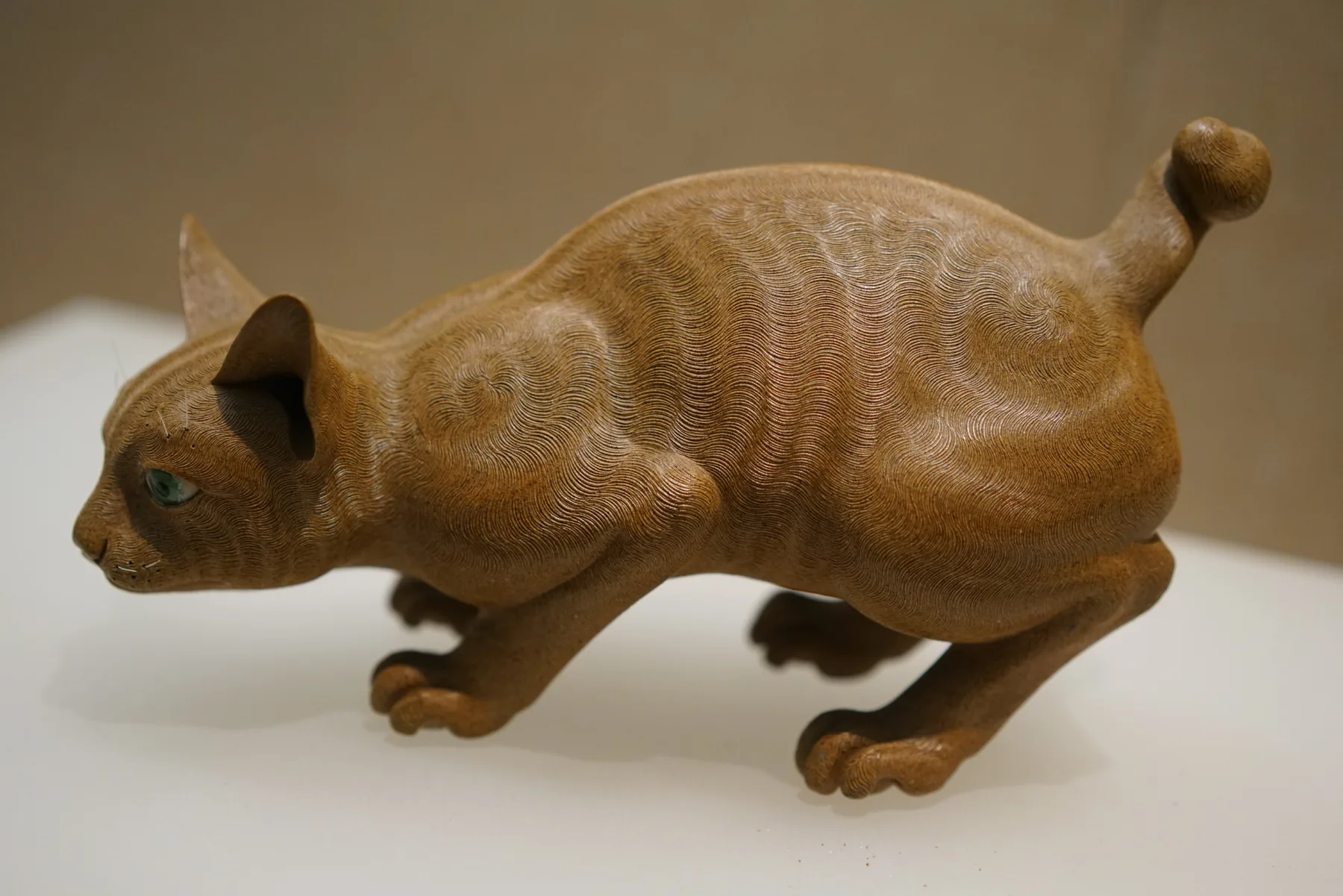
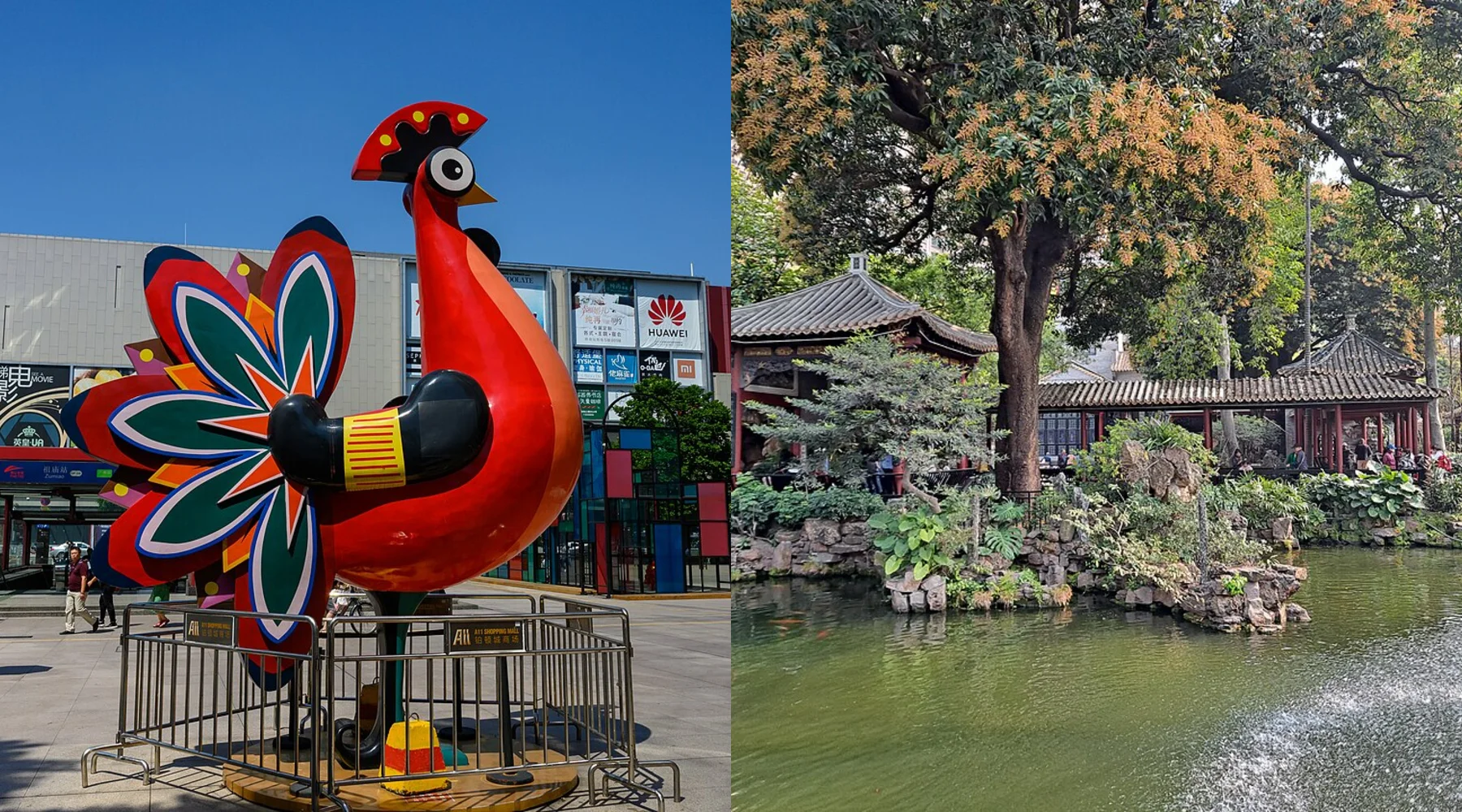
- body-04-shiwan-object.webp This finished Shiwan ware object can prompt questions about surface, form and use. It was photographed in the Guangdong Museum in Guangzhou and is not a Foshan site, workshop, making-process, maker-attribution or bookable-session record. Augustohai · CC BY-SA 4.0; resized derivative · CC BY-SA 4.0
- body-05-four-lenses.webp Foshan Living’s four-lens framework keeps product, process, display and place distinct. It is an editorial method, not an official design classification. Ana Ribeiro / Foshan Living · Original editorial infographic created for this article
- body-06-distributed-design.webp Foshan Living’s conceptual orientation connects three specialised design contexts. It is not a map, route, distance guide, official classification or ranking. Ana Ribeiro / Foshan Living · Original editorial infographic created for this article
.jpg)


Keep exploring
Related Foshan guides
 Explore Foshan
Chancheng or Shunde: Where Should You Start in Foshan?
Choosing between Chancheng and Shunde for a first Foshan trip? Compare heritage, food, neighbourhood pace, transport planning and where to stay.
 Explore Foshan
Understanding Foshan: A City of Five Districts
Learn how Foshan’s five districts differ, which areas suit culture, food, urban life or nature, and why every short trip needs a specific local base.
 Explore Foshan
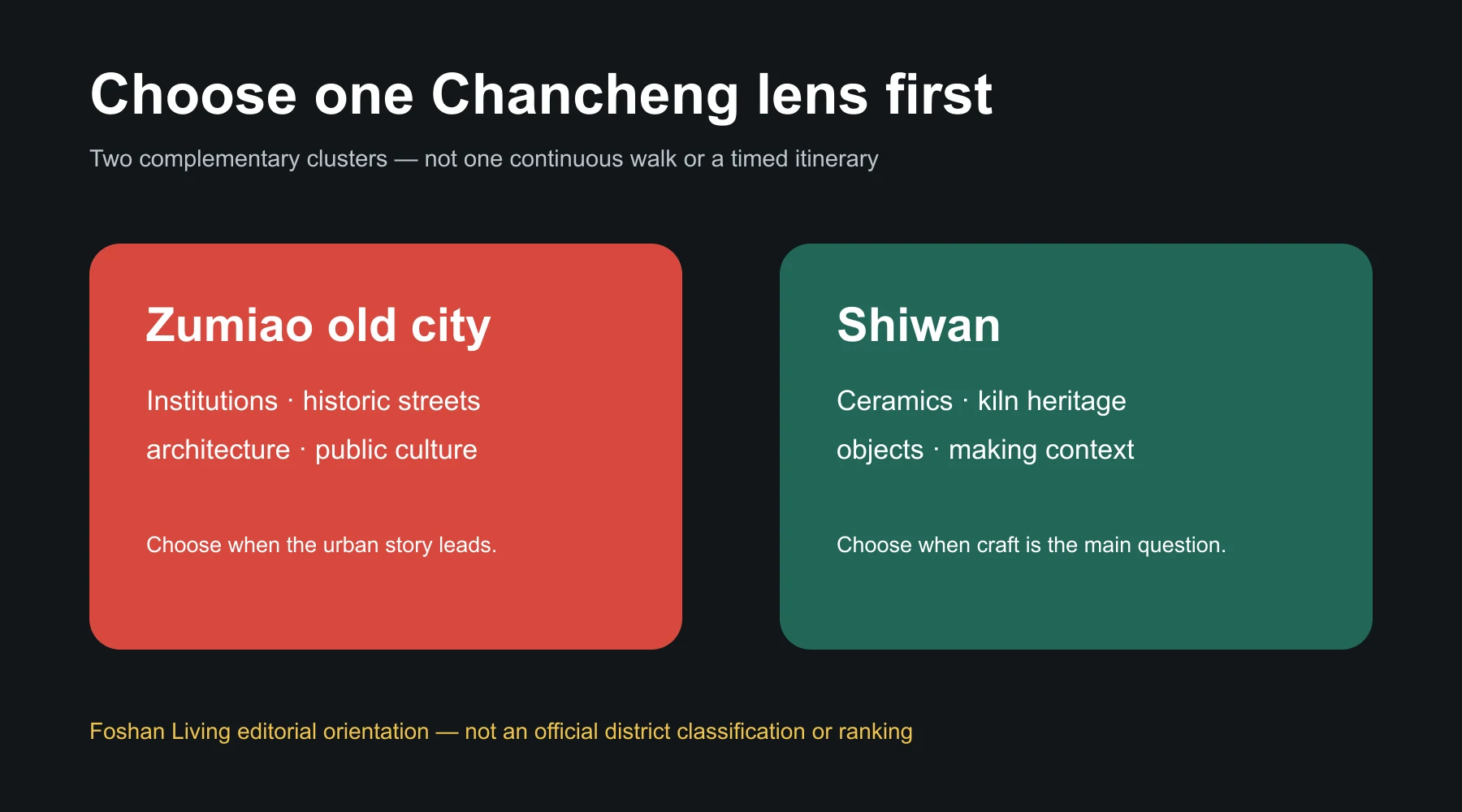
Zumiao Old City or Shiwan: How to Choose Your Chancheng Day
Compare Zumiao old city and Shiwan, choose one main Chancheng cluster, and add the other only after checking the complete route and current access.
 Explore Foshan
Chancheng: Foshan’s Historic Urban Core
Understand Chancheng through the Zumiao old city and Shiwan’s ceramic heritage, with guidance on walking scale, transport checks and where to base.
Plan your visitFirst Time in Foshan
Build a first trip around districts, transport, food and one deeper cultural interest.