Culture & history
Wanfutai: How to Read a Traditional Cantonese Opera Stage
Read Wanfutai from the Ancestral Temple setting inward, connecting stage space with Cantonese opera while keeping current events separate.
On this page
- Separate the historic stage from the live programme
- Begin with the Ancestral Temple setting
- Find the whole before the detail
- Keep ritual setting and performance related but distinct
- Read the stage and audience space together
- Ask about distance
- Ask about orientation
- Ask about audience conditions without inventing them
- Use the stage opening to organise attention
- Frame
- Depth
- Threshold
- Look for visible movement routes
- Start with visible entrances
- Imagine movement as a question
- Keep lion dance and other programmes separate
- Read inscription, timber and decoration as layers
- Inscription
- Timber
- Decoration
- Connect the space with Cantonese opera carefully
- Voice and music
- Role and movement
- Costume and visual scale
- Cantonese opera and Cantonese narrative singing
- Use museum evidence to complete the picture
- Apply a seven-question stage-reading method
- Verify every current visit and performance separately
- Continue through Foshan culture
- About Zhang Wei
Wanfutai, or Wanfu Stage, offers a way to understand Cantonese opera before a performer enters. Within the Foshan Ancestral Temple setting, the stage can be read through its relationship with the audience area, visible entrances, stage opening, inscription, timber and decoration.
This is a guide to reading a historic performance space, not a promise of a show. Wanfutai’s cultural value remains when the stage is empty. Performances, opening arrangements, tickets and partial closures belong to a separate live-information layer and must be checked with the Foshan Ancestral Temple Museum.
Separate the historic stage from the live programme
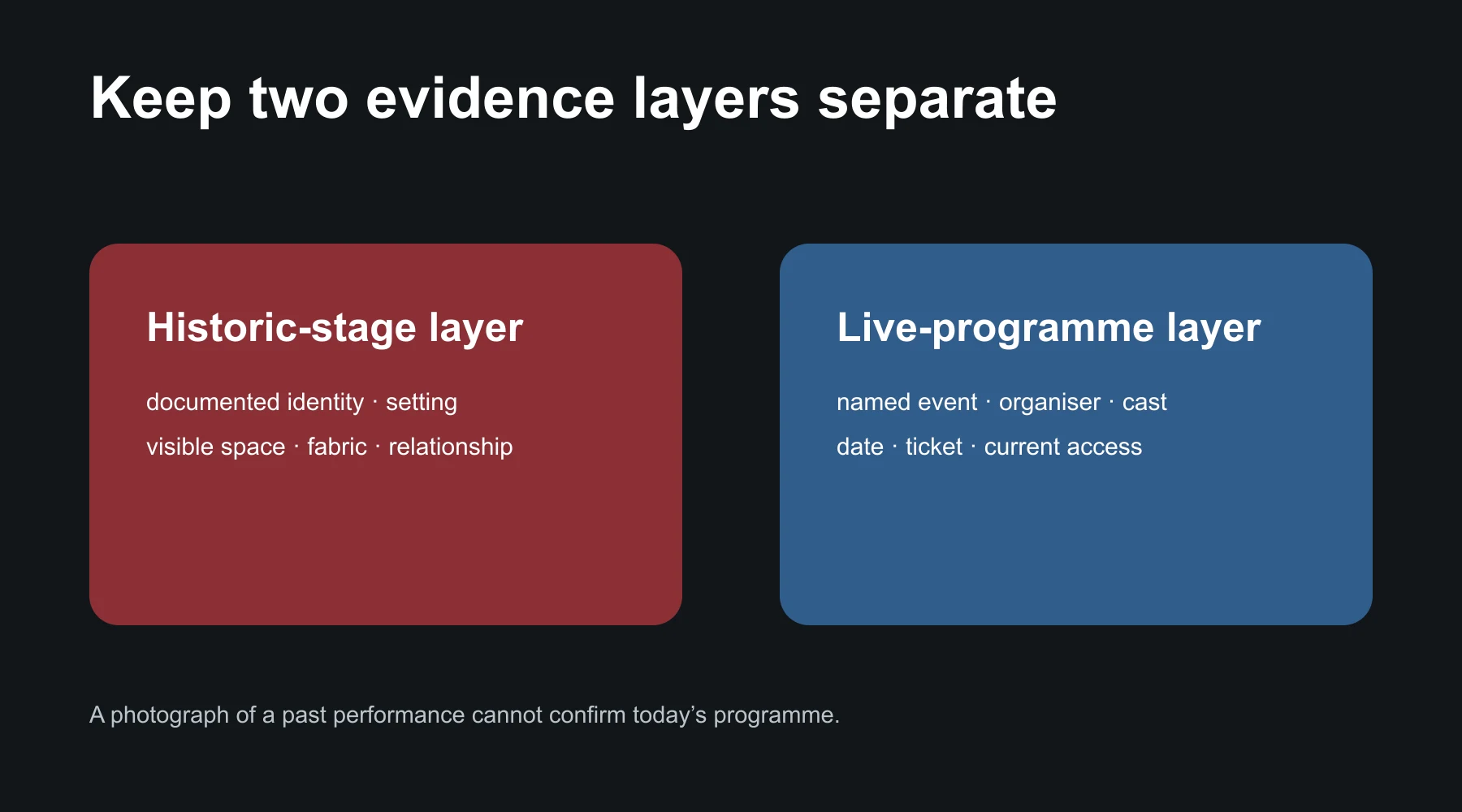
A historic stage and a current performance are two different kinds of information.
The stage is a long-term cultural and architectural subject. It can be studied through location, spatial relationships, visible fabric and its connection with performing traditions. A programme is temporary: it has a title, organiser, performers, date, access arrangement and possibly a ticket.
An old article may describe performances at Wanfutai, but its frequency cannot be carried forward. A photograph of instruments or a prepared stage also does not prove that a show will begin.
Use two columns in your notes:
- historic-stage layer: documented identity, setting and visible spatial evidence;
- live-programme layer: the museum’s current announcement for a named date and event.
This article remains in the first column. It deliberately excludes recurring schedules, current repertoire, performers, tickets and promises of access.
The broader Foshan Culture framework places performance beside other local cultural evidence.
Begin with the Ancestral Temple setting

Do not begin with a close photograph of ornament. Begin by locating the stage within the wider Ancestral Temple complex.
The setting matters because Wanfutai is not presented as an isolated modern theatre building. Existing Foshan research places it within an architectural, ritual and public cultural environment. That relationship changes the questions a reader should ask.
Find the whole before the detail
From an authorised public viewpoint, look for:
- the direction in which the stage faces;
- the open or enclosed area between stage and viewers;
- nearby buildings, thresholds and circulation paths;
- how the stage is approached;
- which details are visible from ordinary standing distance.
Keep ritual setting and performance related but distinct
A stage within a temple complex can participate in a setting shaped by belief, ceremony, public gathering and performance. That does not mean every gathering is Cantonese opera or every performance carries the same ritual role.
Write precisely: Wanfutai can help readers examine how a performance stage sits within the Ancestral Temple cultural setting. Do not assign a specific ritual function to an event without evidence for that event.
For the wider architectural context, use Foshan Culture without turning visible form into unsupported history.
Read the stage and audience space together
A stage is defined partly by what faces it. Look at the relationship between the stage front and the area from which an audience could watch.
Ask about distance
How far is the normal viewing position from the stage? Which elements remain legible from there? Large profiles, strong outlines and repeated decoration may register differently from small details.
Distance is an observation, not an acoustic measurement. This guide does not claim how sound travelled historically or how many people the space held. Those questions require direct architectural or performance evidence.
Ask about orientation
Where does attention naturally move? Is the stage front the dominant visual focus from the audience area? Do nearby axes, openings or buildings compete with it?
Record what you see from a stated position. Avoid saying the architecture “forces” one response or that every historical audience stood in the same place.
Ask about audience conditions without inventing them
An open audience area raises questions about weather, movement, standing and temporary arrangements. It does not answer them. Historic audience practice and present-day visitor management are separate subjects.
If barriers, chairs or equipment are visible, treat them as current conditions unless an accountable source identifies them as historic fabric.
Use the stage opening to organise attention
The stage opening is the main boundary between performance space and audience view. Read its overall shape before isolating decoration.
Frame
Notice how the opening creates a frame. Which parts of the stage are visible from the centre and from an angle? How does the frame separate the performed world from the surrounding complex?
This is a viewing method, not a claim that every Cantonese-opera production used the space in one fixed way.
Depth
From permitted viewpoints, look for visible depth behind the front line. Can you distinguish a front performance area from entrances or spaces farther back? Do not infer concealed rooms or original plans from what cannot be seen.
Threshold
The opening is also a threshold between public view and performer space. Ask what movements could become visible at that boundary: an entrance, pause, turn or exit. Phrase these as possibilities for reading stage action, not a reconstruction of a particular historical scene.
Look for visible movement routes
Cantonese opera combines voice, speech, music, movement, costume and stage organisation. A historic stage therefore invites questions about how performers might enter, cross, gather and leave.
Start with visible entrances
Identify only entrances or passages that are actually visible or documented. Note their position relative to the stage opening. If their current use is unknown, say so.
Do not label a doorway “male entrance,” “female entrance,” “musicians’ entrance” or “backstage route” unless the source or site interpretation supports that function.
Imagine movement as a question
Instead of writing “performers always entered here,” ask:
- What becomes visible first from this entrance?
- How many steps separate the entrance from the centre?
- How might costume volume or a carried prop affect the path?
- Where could one performer yield attention to another?
These questions connect space with theatre while preserving the difference between observation and proof.
Keep lion dance and other programmes separate
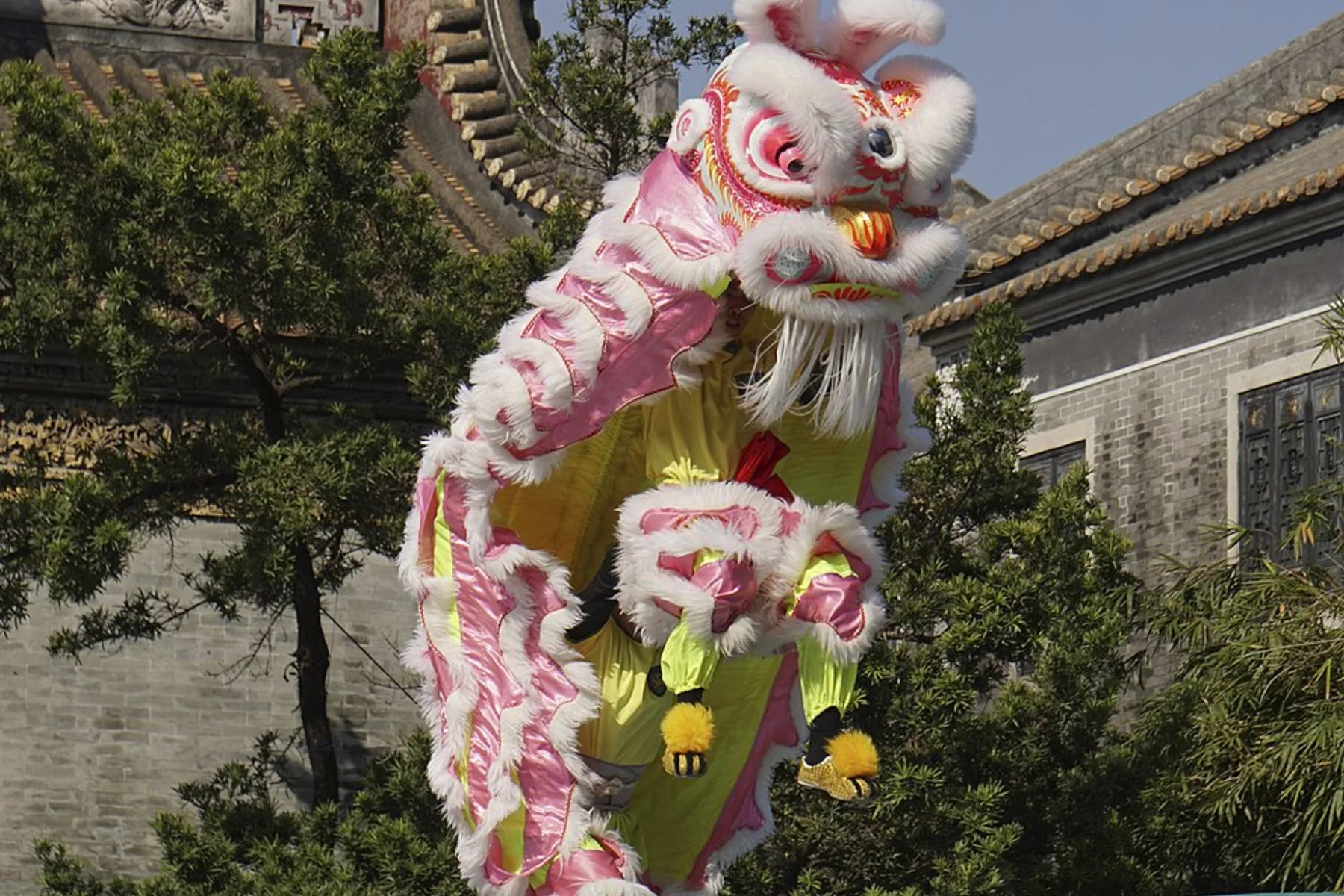
The Ancestral Temple complex is associated with several cultural forms. A photograph of Wanfutai or its surroundings should not be automatically labelled “Cantonese opera” if the event shown is another practice.
Identify the programme, organiser and date before describing a performance image.
Read inscription, timber and decoration as layers
Existing central research identifies inscription, timber and decoration as useful Wanfutai observation points. Treat them as separate evidence layers.
Inscription
Record the characters exactly where possible, along with their position. A translation or interpretation should come from an accountable source, not from visual resemblance or an automated guess.
The presence of an inscription can help identify how the stage presents itself. It does not by itself date every surrounding element.
Timber
Describe visible members, joints or surfaces neutrally. “Painted timber is visible above the stage opening” is an observation if the material identification is documented or unmistakable in the site interpretation. A technical statement about species, age, structural performance or restoration phase requires stronger evidence.
Decoration
First record location: front, side, upper area or another visible position. Then record scale, repetition, colour and viewing distance. Only after that should you look for documented subject matter.
Do not assume every colourful element is original, every figure carries one fixed meaning, or every surface belongs to the same period. Historic buildings can contain repair, replacement and later interpretation.
Connect the space with Cantonese opera carefully
.jpg)
China’s national heritage record describes Cantonese opera as traditional theatre with vocal, musical, role and performance systems. Wanfutai provides a spatial context in which a reader can think about those elements, but an empty stage cannot reproduce a complete performance.
Voice and music
Ask where voices and instruments would be positioned in a documented production. Do not claim a measured acoustic effect from appearance. The shape of a space can prompt an acoustic question; it is not the test result.
Role and movement
Stage entrances, the front opening and available depth can help a viewer imagine how attention shifts between characters. Yet role conventions come from the art form and specific production, not from architecture alone.
Costume and visual scale
Cantonese opera uses costume, makeup, props and movement to construct character. A historic stage encourages the reader to consider how silhouette and colour might register from the audience area. It does not prove that one costume style was always used there.
Cantonese opera and Cantonese narrative singing
The national heritage system records Cantonese opera as traditional theatre and Cantonese narrative singing as a related but distinct form centred on singing and accompaniment. Do not use “Cantonese opera” as a label for every vocal programme associated with the space.
The programme description must identify what is actually being presented.
Use museum evidence to complete the picture
.jpg)
An empty stage preserves spatial evidence but not every part of performance history. Museum collections and recordings can supply other forms of evidence.
Chinese cultural sources describe the Guangdong Cantonese Opera Museum through materials such as scripts, costumes, instruments, records and audiovisual holdings. Ministry of Culture and Tourism material also connects the museum with a historic-building context.
Use those categories to ask what a stage view cannot answer:
- What did performers read or memorise?
- What objects and instruments supported a production?
- How were costumes and visual identities constructed?
- How was sound recorded and circulated?
- How has Foshan remembered professional and travelling performance?
The sources establish collection directions and cultural context, not what is displayed today. Current museum access and exhibitions require their own verification.
Foshan cultural-history material also connects opera memory with Qionghua Guild Hall and Red Boat accounts. Those references should remain attributed rather than becoming one uncontested origin chronology.
Apply a seven-question stage-reading method
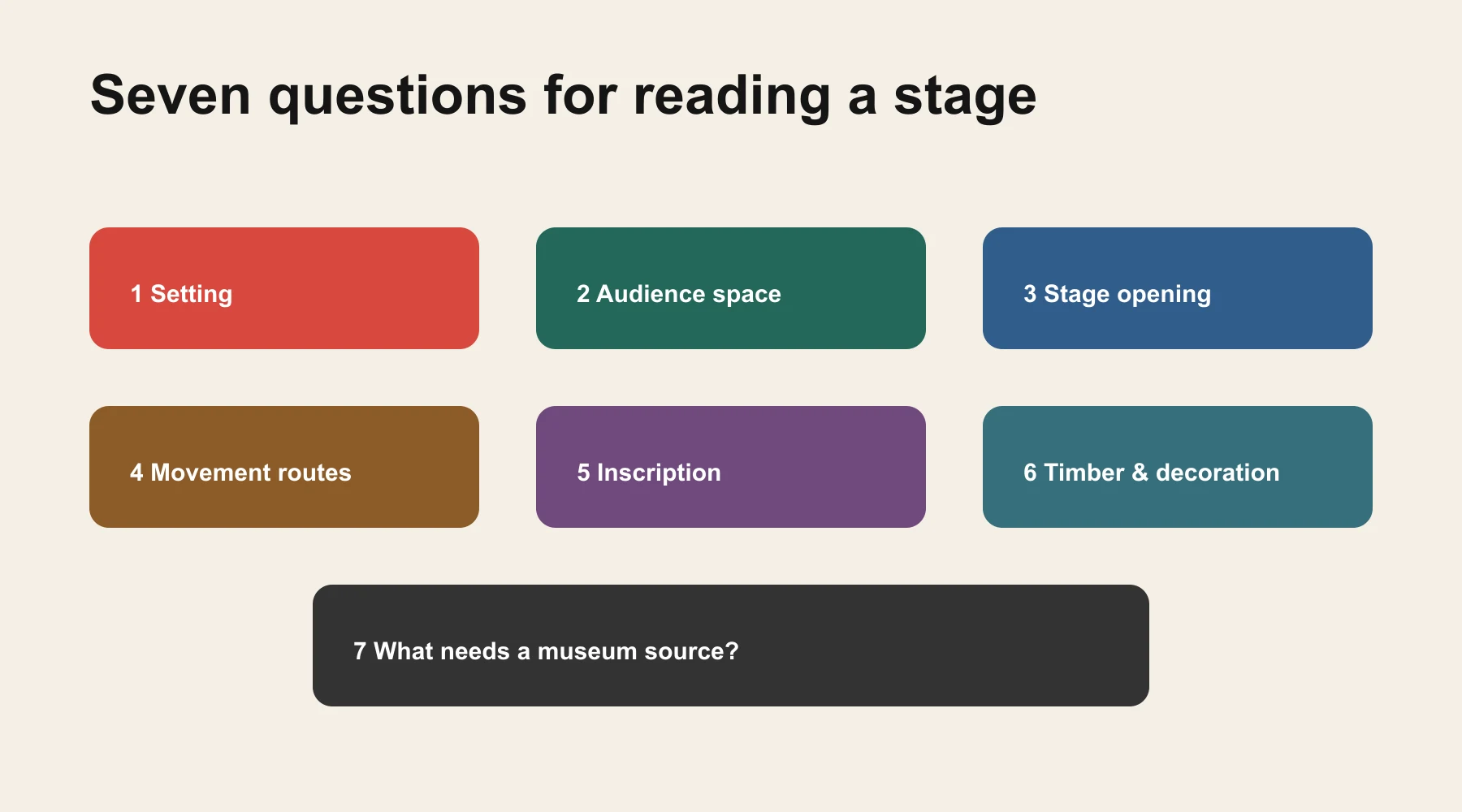
Use this sequence at Wanfutai or when reviewing rights-cleared documentation:
- Where is the stage within the wider complex? Record the whole setting first.
- What faces the stage? Describe the audience relationship without inventing capacity.
- How does the opening frame attention? Compare central and angled views.
- Which movement routes are visible? Describe entrances without assigning unsupported functions.
- Which details remain legible at normal distance? Separate context from close-up.
- What can museum evidence add? Use objects and recordings for questions the building cannot answer.
- What is dynamic today? Move performances, access and services to current official verification.
The method is a Foshan Living editorial tool, not an official architectural typology.
Verify every current visit and performance separately
Before travelling, use the Foshan Ancestral Temple Museum’s current channel to confirm:
- whether the relevant area is accessible;
- current entrance and opening arrangements;
- photography or filming rules;
- temporary closure, repair or crowd controls;
- whether a named performance is actually announced;
- organiser, programme, date, time and any ticket requirement.
Do not turn an old article’s frequency into a present schedule. Do not assume that a stage setup guarantees a public performance. Do not promise subtitles, seating, accessibility or a particular sightline without current confirmation.
Those checks belong outside the evergreen article because they can change independently of Wanfutai’s historical value.
Continue through Foshan culture
Place performance beside martial arts, ceramics and ritual through Foshan’s Culture Framework, while keeping current programmes in the operator’s live layer.
If you are deciding how Wanfutai fits into a first visit rather than studying the stage itself, begin with Things to Do in Foshan.
Wanfutai does not need a live show to be legible. Read the whole setting, the stage–audience relationship, the opening, visible routes and material detail. Then let current official information answer the separate question of what is happening there today.
About Zhang Wei
Zhang Wei covers Foshan’s culture, history, martial arts and performing traditions. He separates documented cultural evidence from inherited memory and changing operations so readers can approach a historic stage without turning it into a permanent event listing. Visit his author page to see all of his Foshan Living articles.
Image credits and disclosures
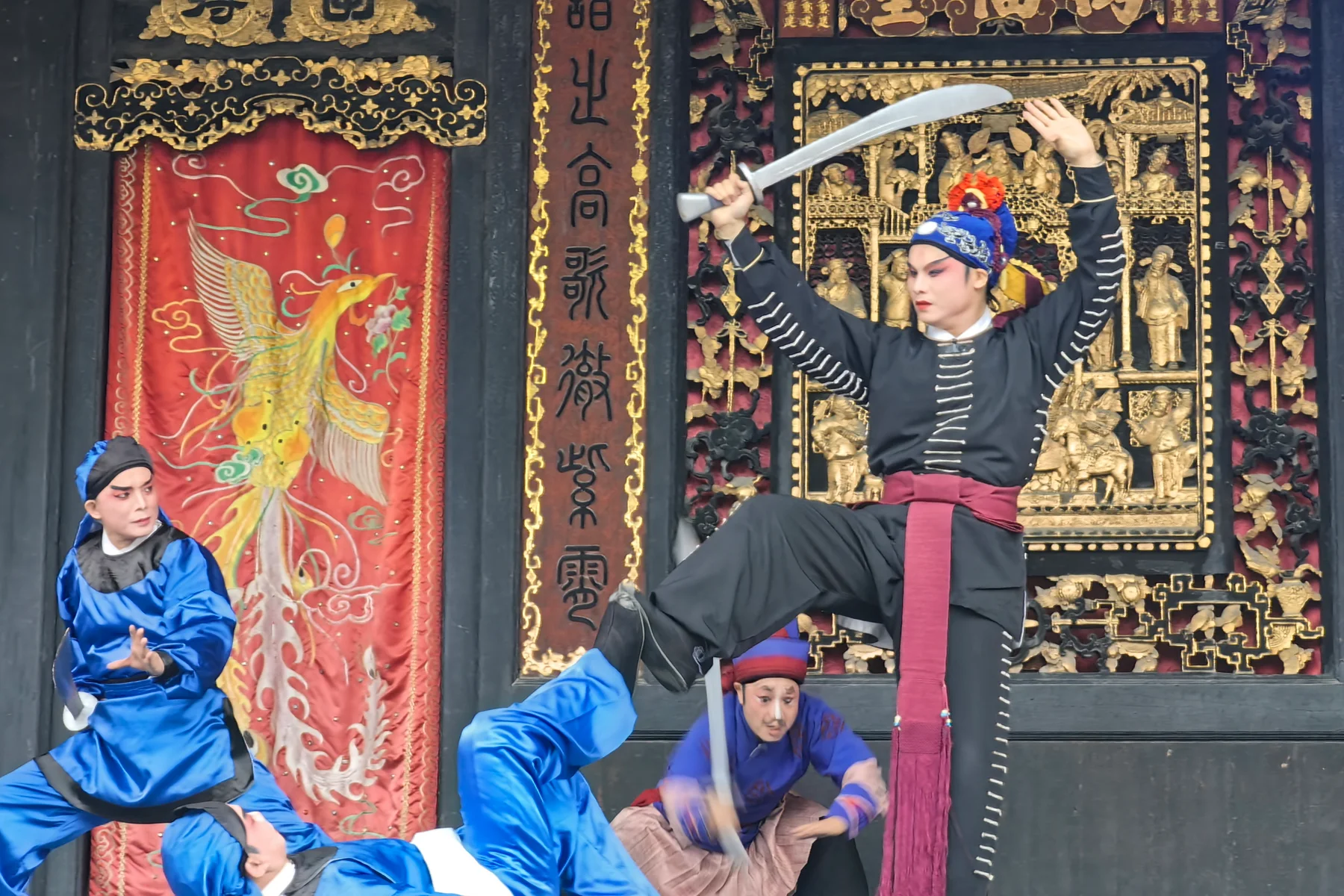
- wanfutai-opera.webp This 2024 photograph documents one performance. It does not confirm a current programme, cast, time, admission or recurrence. Uuongkinghe · CC BY-SA 4.0; resized · CC BY-SA 4.0
- stage-live-layers.webp Foshan Living’s method prevents a historic stage or past photograph from becoming a current event listing. Zhang Wei / Foshan Living · Original editorial infographic
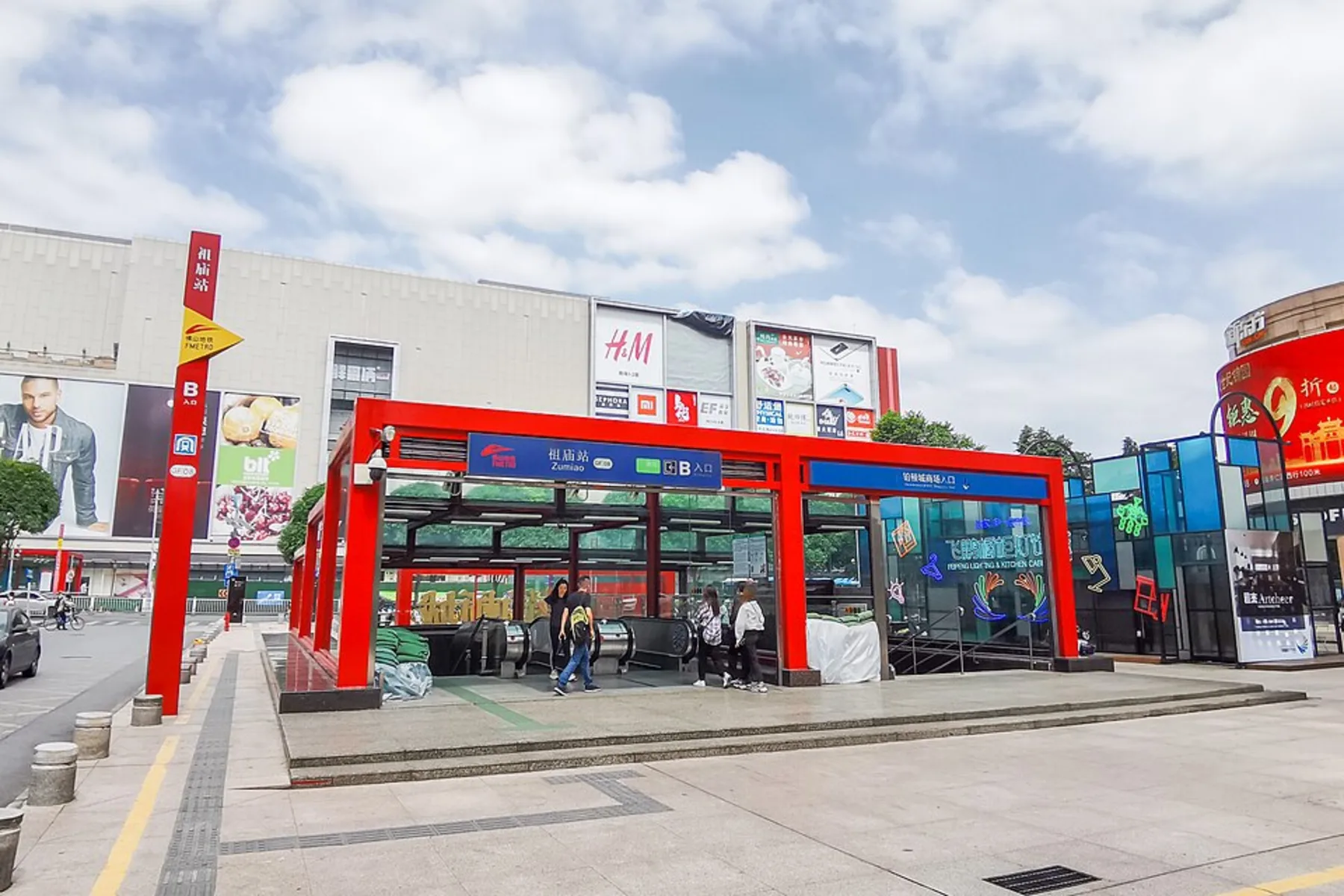
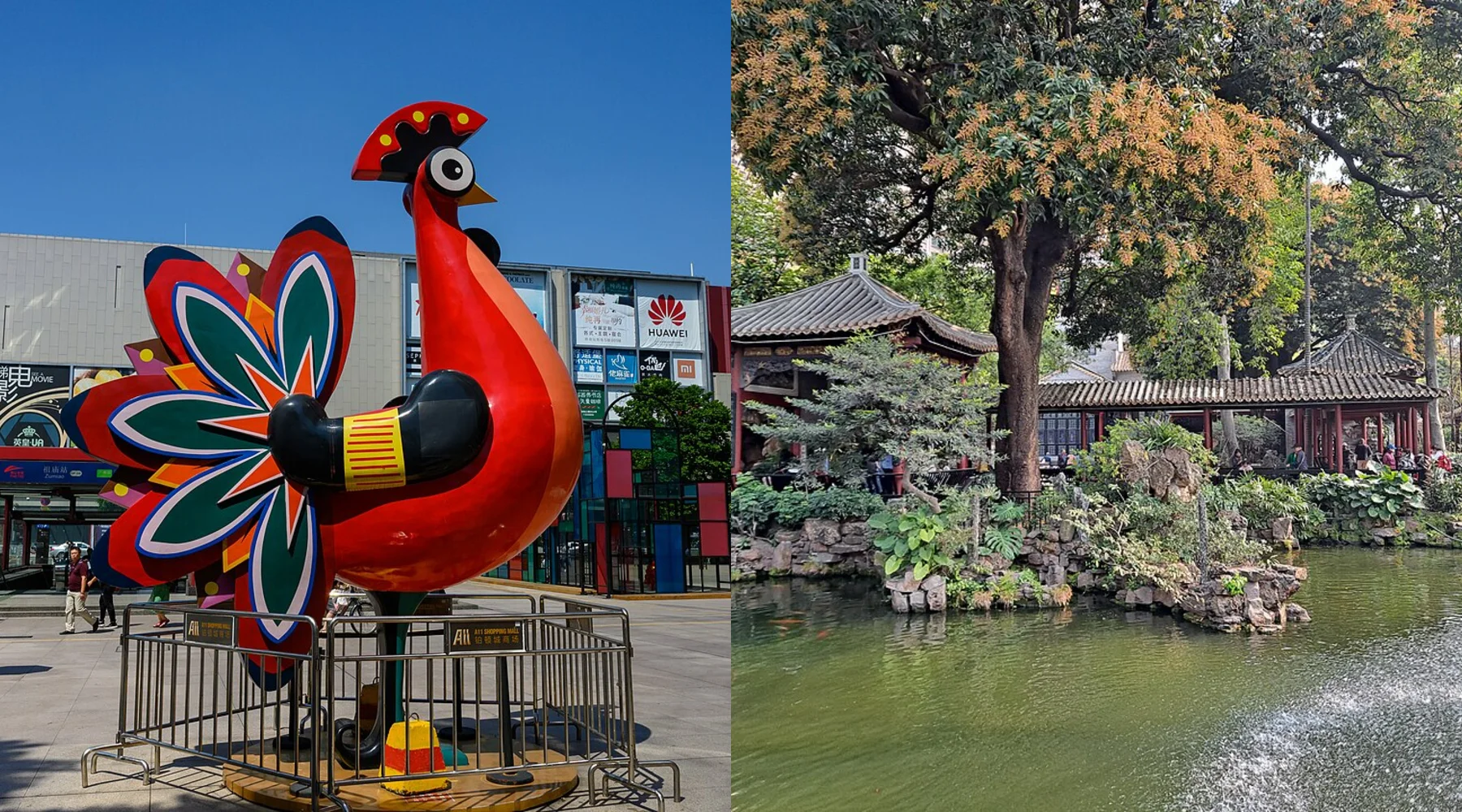
- zumiao-station.webp This wider context does not confirm current exit, route, museum access or walking time. Nissangeniss · CC BY-SA 4.0; cropped and resized · CC BY-SA 4.0
- zumiao-lion.webp This documents lion dance, not Cantonese opera, and confirms no current programme. Hexocat · CC BY-SA 4.0; cropped and resized · CC BY-SA 4.0
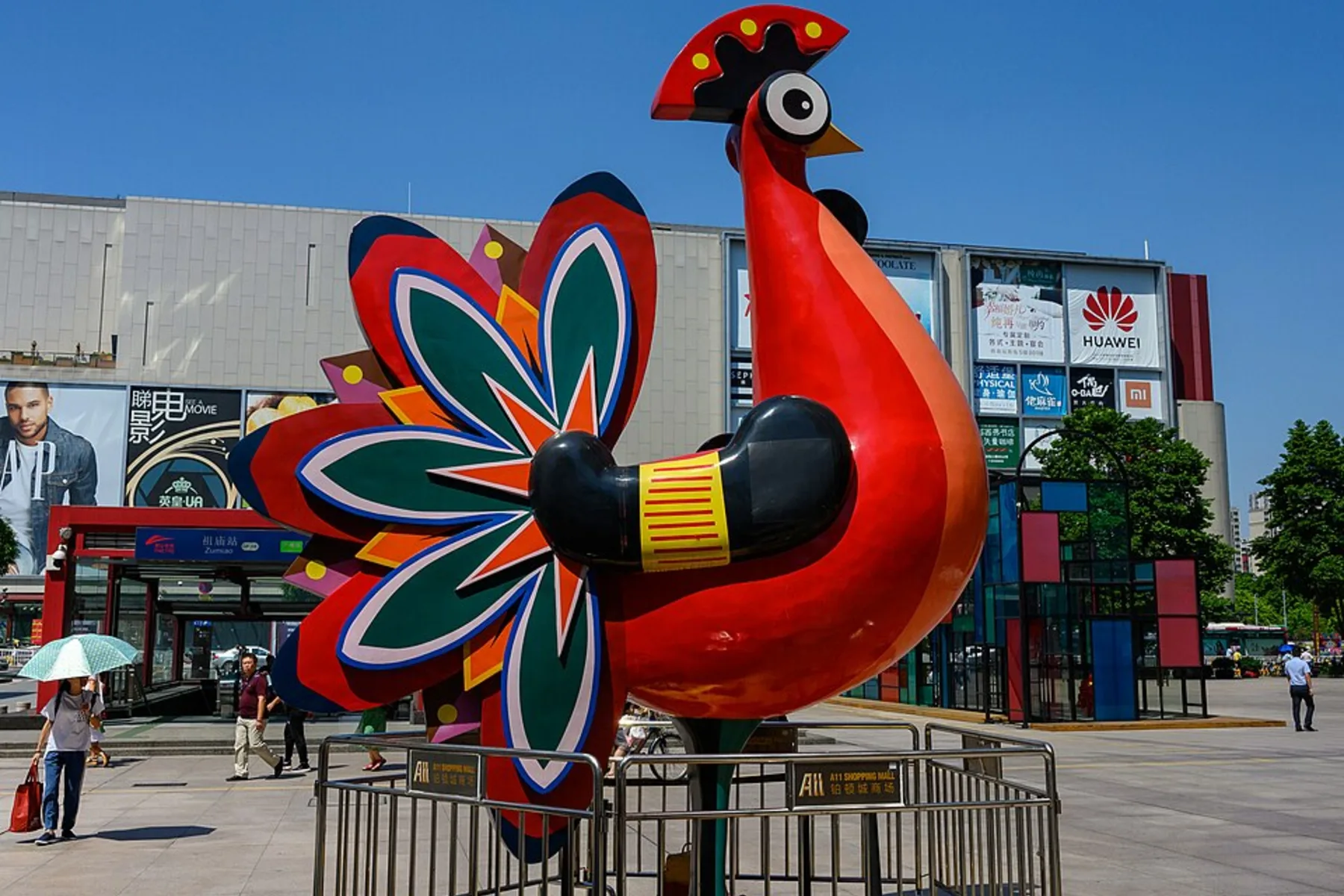
- zumiao-street.webp Contemporary urban context, not evidence of Wanfutai architecture, heritage boundary or access. xiquinhosilva · CC BY 2.0; cropped and resized · CC BY 2.0
- seven-stage-questions.webp The questions organise attention from setting to museum evidence. They are not an official classification or route. Zhang Wei / Foshan Living · Original editorial infographic


Keep exploring
Related Foshan guides
 Explore Foshan
Chancheng or Shunde: Where Should You Start in Foshan?
Choosing between Chancheng and Shunde for a first Foshan trip? Compare heritage, food, neighbourhood pace, transport planning and where to stay.
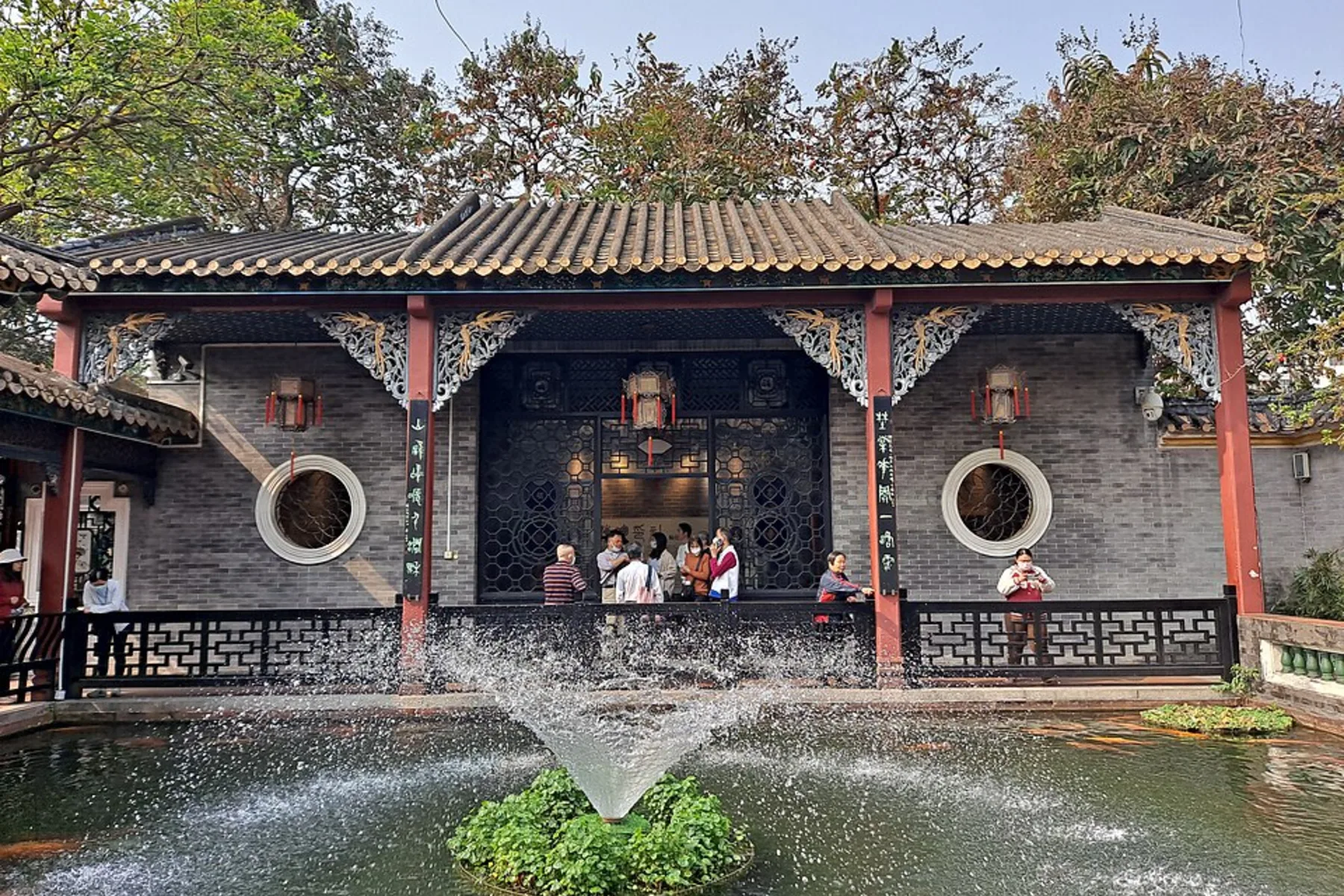 Explore Foshan
Understanding Foshan: A City of Five Districts
Learn how Foshan’s five districts differ, which areas suit culture, food, urban life or nature, and why every short trip needs a specific local base.
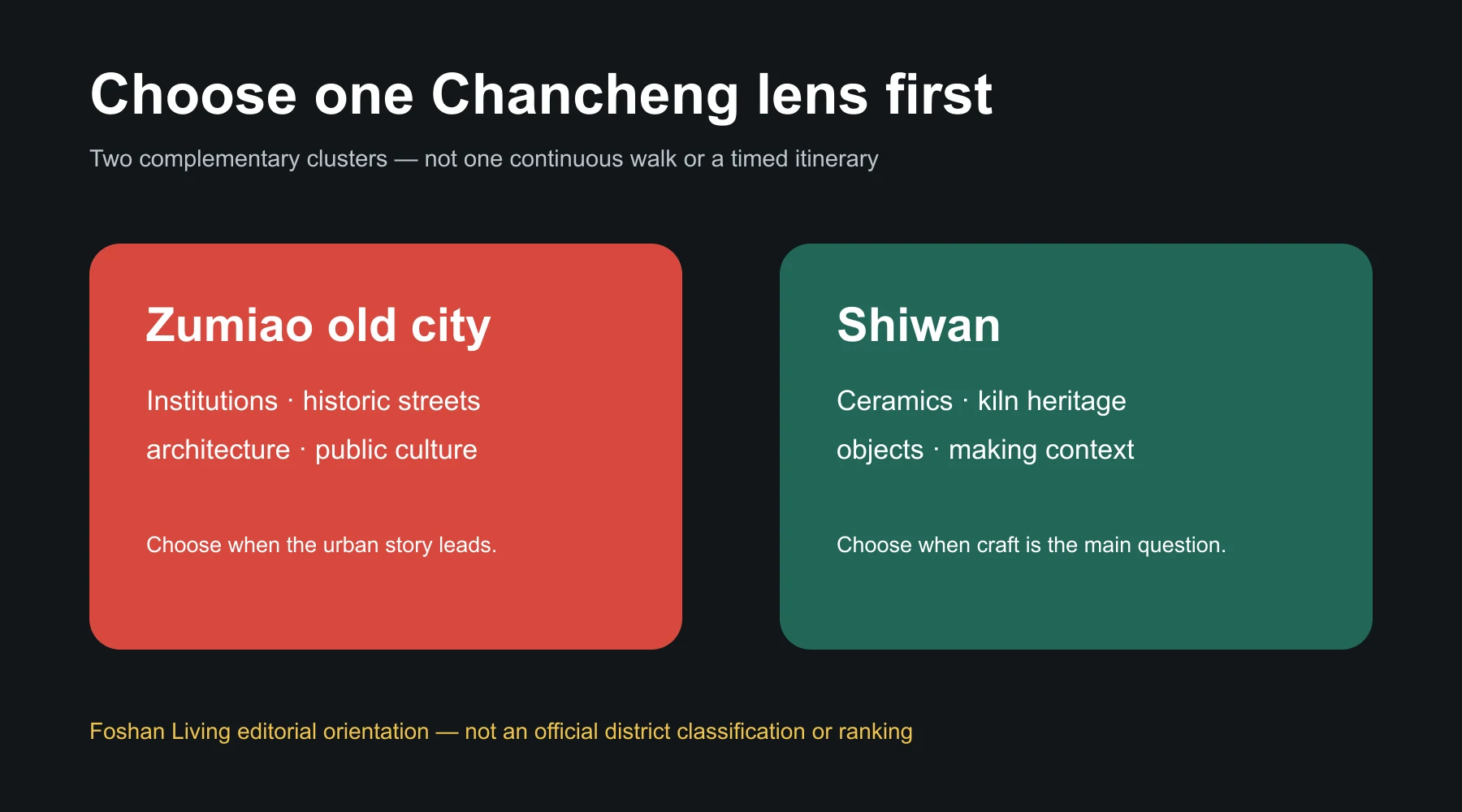 Explore Foshan
Zumiao Old City or Shiwan: How to Choose Your Chancheng Day
Compare Zumiao old city and Shiwan, choose one main Chancheng cluster, and add the other only after checking the complete route and current access.
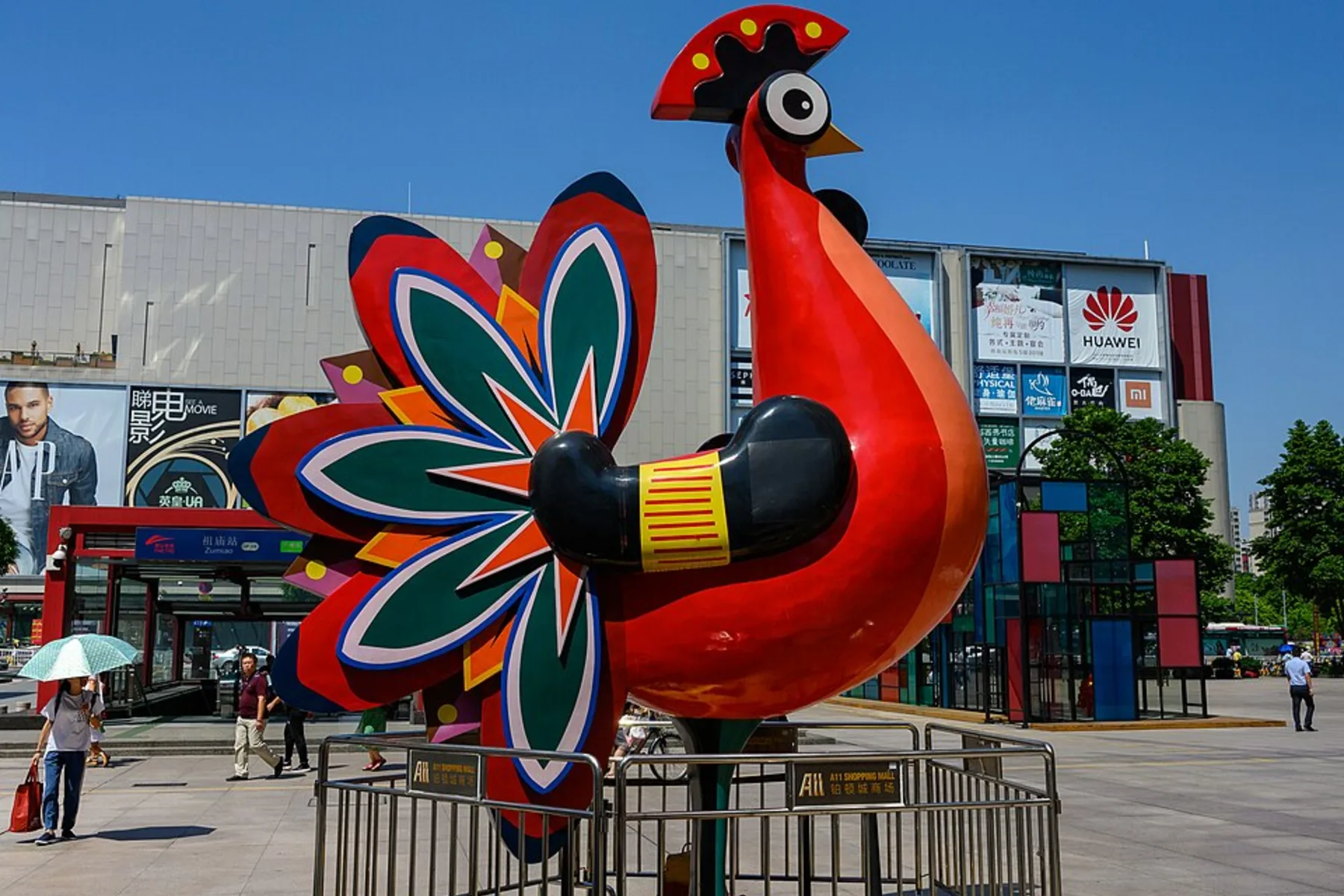 Explore Foshan
Chancheng: Foshan’s Historic Urban Core
Understand Chancheng through the Zumiao old city and Shiwan’s ceramic heritage, with guidance on walking scale, transport checks and where to base.
Plan your visitFirst Time in Foshan
Build a first trip around districts, transport, food and one deeper cultural interest.