Things to do
How to Read a Historic Street in Foshan
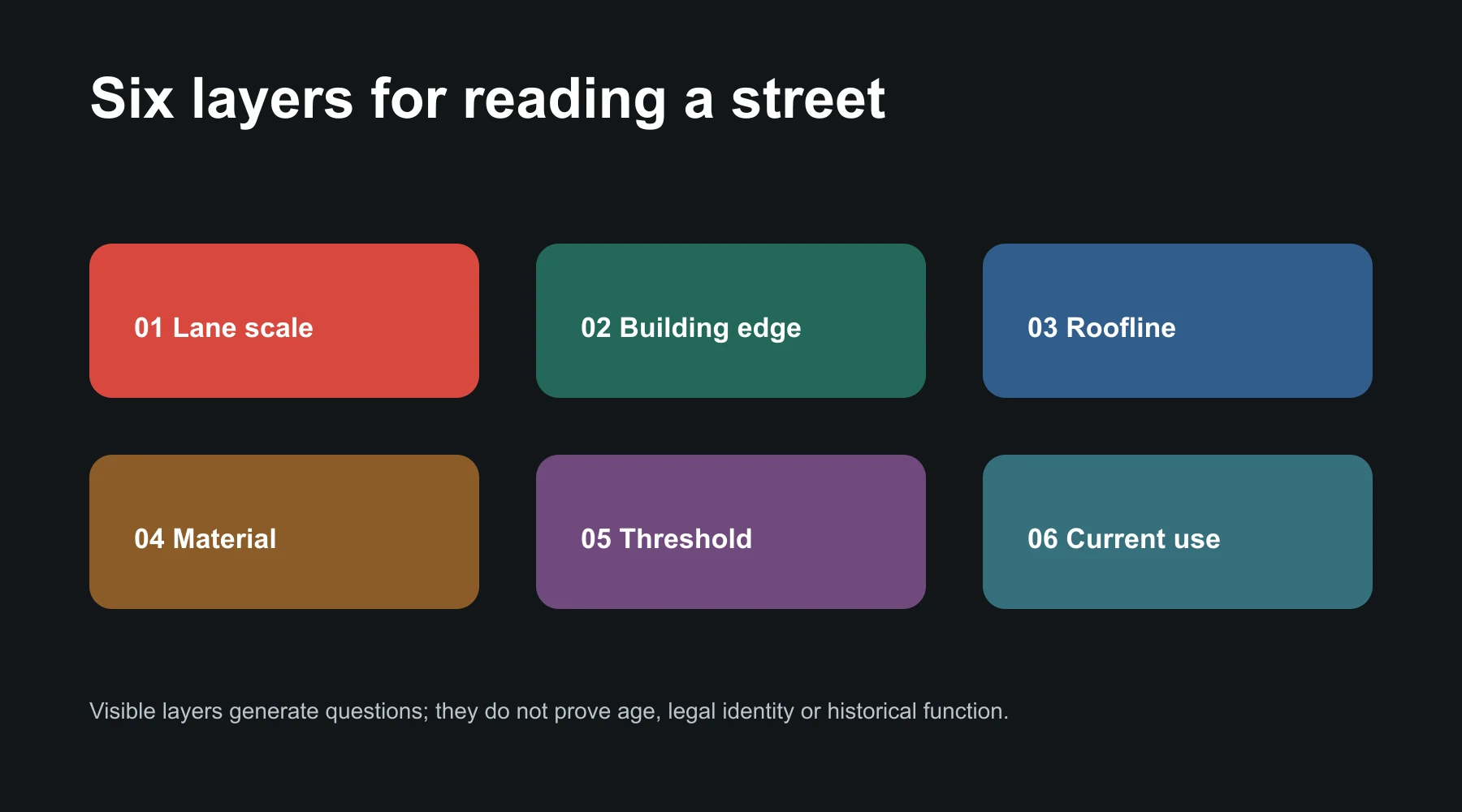
Slow down, read the whole street and separate what you can observe from what requires historical evidence or current permission.

On this page
- Choose one bounded historic area
- Read the street before the landmark
- Observe scale, edges and rooflines
- Begin with lane scale
- Follow the building edge
- Compare rooflines without overinterpreting them
- Read materials without assigning an age
- Treat doors and thresholds as boundaries
- Read current use without erasing former use
- Distinguish visible evidence from conservation status
- Walk slowly without obstructing daily life
- Verify the live route and access
- About Mei-lin Cheung
To understand a historic street in Foshan, stop treating it as a row of photogenic façades. Read the relationship among the lane, building edge, roofline, material, threshold and current use. Then separate what you can see from what requires documentary evidence.
This is a walking observation method, not an architectural history or a fixed route. It does not tell you that a building is old because it looks old, that an interior is public because a door is open, or that a former shop still runs its original business. It also does not join Foshan Old City and Shunde Old City into one continuous walk.
What you will get from this guide: six observation layers, a slow walking rhythm, privacy and photography rules, and a checklist for verifying access, construction and route conditions close to the visit.
Choose one bounded historic area
Begin with an area, not a citywide list of old buildings.
The Guangdong provincial approval for Foshan’s historic-city conservation plan identifies Foshan Old City and Shunde Old City as distinct historic-city contexts. That immediately rules out a common planning mistake: presenting several distant areas as one casual walking route.
Choose one area according to one question:
- How does a traditional lane organise building fronts and entrances?
- How does an old commercial street show changes in city life?
- How does a house-garden relate to its surrounding lane?
- How does adaptive reuse preserve, reveal or obscure older fabric?
Then keep the walk bounded. A short area with repeated observations is more useful than a long transfer between isolated landmarks. Priya Nair’s Zumiao or Shiwan guide helps with the area decision; this page begins after you have chosen where to walk.
The conservation plan supports a broad framework of traditional streets, historic environment, cultural relics, historic buildings and industrial heritage. It is not a visitor map. Exact entrances, public passages and connections still require current checking.
Read the street before the landmark
Pause at the beginning of the area and look along the street before photographing a single building.
Ask:
- Is the lane straight, curved or interrupted?
- How wide is the space between the building faces?
- Do façades meet the street directly or sit behind a setback?
- Are rooflines continuous or varied?
- Where do side lanes, courtyards and passages appear?
- Which activities belong to residents, worshippers, workers or businesses?
These questions shift attention from a landmark checklist to urban relationships. The street is not empty space between buildings. It controls movement, visibility, drainage, access and the distance from which architectural details can be seen.
The public cultural-history material on Donghua Lane provides a bounded Foshan example with street scale, blue brick, wok-ear gables and layered entrances. Use those documented elements as prompts, not as a template for labelling every traditional-looking lane.

.jpg)
For a wider evidence-led cultural framework, continue to How to Read Foshan Culture. Mei-lin’s task here is to help you look, move and behave responsibly.
Observe scale, edges and rooflines
Begin with lane scale
Stand where you are not blocking movement and compare your body with the street. Can two groups pass comfortably? Does the lane open into a small court or narrow at a doorway? Where would rainwater, deliveries or emergency access move?
Do not publish a width estimate as fact unless it has been measured and sourced. “Narrow,” “enclosed” and “open” can be useful observations when they are presented as what the visitor perceives rather than a technical survey.
Follow the building edge
Look at the line where private or managed buildings meet public space. Some façades sit directly on the lane. Others use steps, door recesses, shopfronts or low boundary elements to create a transition.
Notice repetition and interruption. A continuous wall may suddenly open at an entrance. A modern storefront may occupy an older structural bay. A restored frontage may align with neighbouring buildings without sharing their age.
The edge helps you understand use, but it does not grant entry. A visible courtyard, open door or active shop is not evidence that a visitor may cross the threshold.
Compare rooflines without overinterpreting them
Roof silhouettes can show rhythm, party walls and the relationship between neighbouring buildings. Donghua Lane material documents wok-ear gables as one local observation clue.
Describe the visible outline first. Do not convert one gable into a claim about the owner’s official rank, wealth or the precise age of the house. Those interpretations require specialist historical evidence.
Read materials without assigning an age
Materials reward slow looking. Compare brick size, joints, stone bases, plaster, timber, metalwork and later surface additions. Look for changes in colour, texture and repair rather than deciding immediately which part is “original.”
A blue-brick appearance can be historically relevant in a documented context such as Donghua Lane. It cannot prove that every similar wall is old. New facing material, reused brick and conservation repair may produce a familiar look.
Use a three-column note:
| What is visible | What it may suggest | What still requires evidence |
|---|---|---|
| Change in brick colour or joint | Repair or different construction phase | Date, reason and responsible project |
| Stone at the base of a wall | Material response near the street | Originality and construction history |
| New sign within an older bay | Current adaptation | Protection status and approved intervention |
This is an observation aid, not a diagnostic tool. The Guangdong housing and urban-rural development material on Foshan’s historic-building conservation supports retaining historical background and original character during adaptive use. It does not let a passer-by authenticate construction phases by sight.
Treat doors and thresholds as boundaries
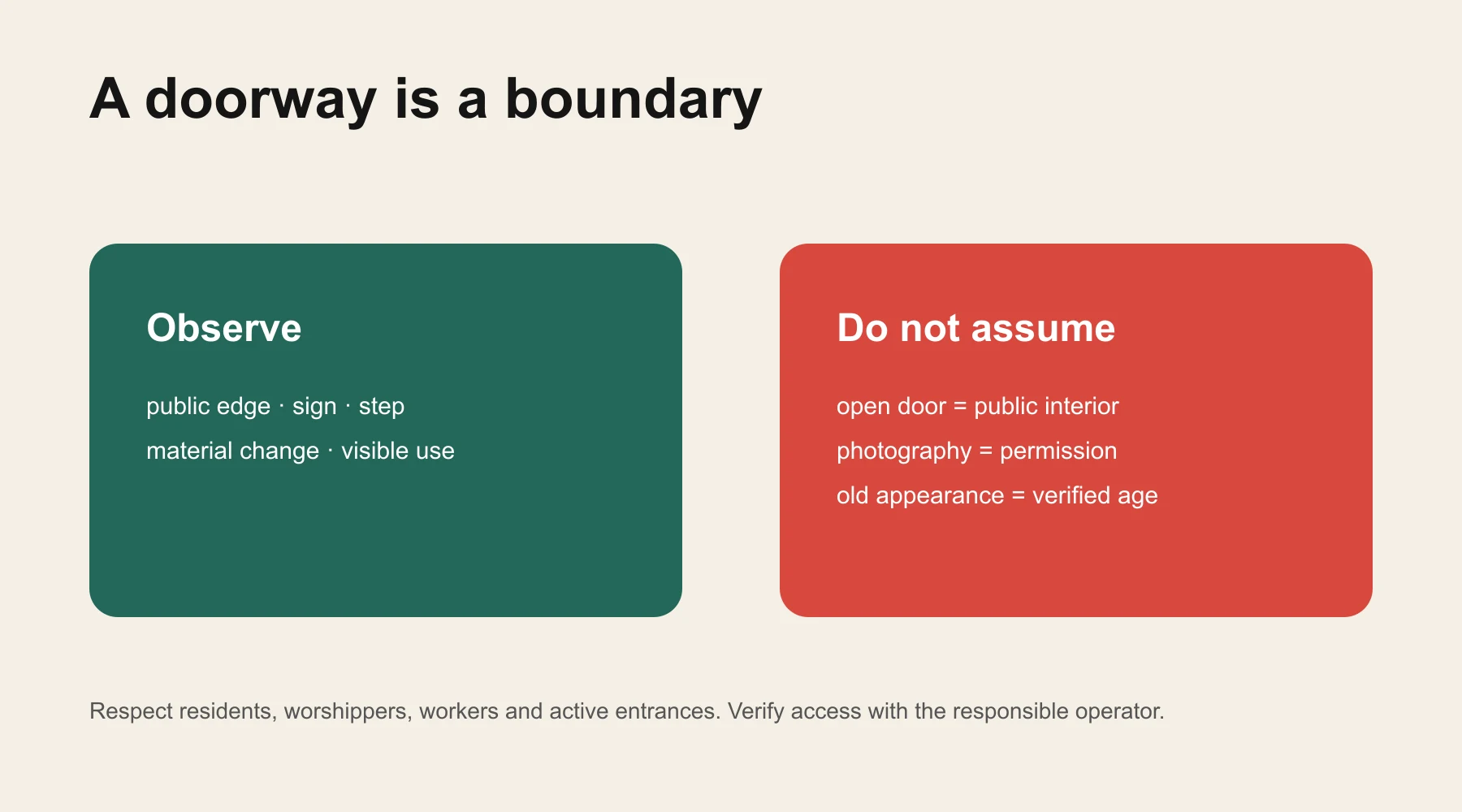
Entrances reveal how a street negotiates access, ventilation, security and privacy. Donghua Lane material documents layered entrance forms, making it a useful place to observe how one doorway can contain more than one boundary.
Stay in public space unless signage, staff or the responsible occupant clearly permits entry.
Do not:
- push a door to test whether it is open;
- step onto a private threshold for a photograph;
- point a camera through a window or entrance into domestic life;
- block a doorway while composing an image;
- treat a worship space, office or working business as a film set.
An open door may be open for the people who live or work there. A courtyard visible from the lane may remain private. Permission for general entry does not automatically include tripods, costume photography, commercial production or photographing identifiable people.
Families should keep children close around steps, narrow passages and active entrances. Visitors with access needs should verify surface, gradient, width and resting points rather than relying on street photographs.
Read current use without erasing former use

Historic areas change. A building may receive a public-cultural, commercial, residential or community use while retaining evidence of an earlier role.
The Guangdong housing authority’s material on the former Funan Teahouse provides a useful bounded example: it connects a building on Jinhua Road with modern commercial life and combined Chinese and Western architectural features. The word former matters. It does not mean the original teahouse business is still operating.
When you see an adapted building, ask:
- What current use is visible?
- What former use is documented?
- Which features appear retained?
- Which elements serve the new use?
- Does interpretation explain the relationship?
Avoid writing “historic teahouse,” “old residence” or “former factory” from appearance or a commercial name alone. A current café in an old-looking building is not proof of a former café; a heritage-themed interior is not evidence of historic fabric.
The same care applies around a house-garden context such as Liang Garden and Furong Lane. The available source supports a stable literary garden and house-garden background, but old opening information is excluded. The garden, lane and surrounding buildings may have different boundaries and operators.
Distinguish visible evidence from conservation status
.jpg)
Historic district, historic-cultural block, cultural relic and historic building are not interchangeable labels. Nor are “repaired,” “reconstructed,” “replicated” and “newly coordinated.”
Use four evidence levels:
- Visible: what you can describe directly—material, form, sign, boundary or current use.
- Interpreted on site: what an official plaque or exhibition explains.
- Documented: what a government conservation record or responsible institution establishes.
- Unresolved: what you cannot confirm and should leave open.
This prevents a polished restored façade from being presented as untouched original fabric. It also prevents new architecture designed to fit the street from being dismissed or mislabelled as fake without evidence.
If the distinction matters to your article or photograph caption, record the official name, source, date and exact wording. Deep architectural classification belongs with specialist research, not a visitor’s visual guess.
Walk slowly without obstructing daily life
A good pace alternates wide views, middle-distance relationships and details.
Try this rhythm:
- stop at a safe edge and look along the street;
- walk one short section without photographing;
- turn back to see how the view changes;
- choose one building edge or threshold to study;
- record one visible fact and one unanswered question;
- move on before your group becomes an obstruction.
Photograph the whole relationship before collecting decorative close-ups. Include enough context to show where a material or doorway sits. Record the date so temporary signs, barriers and shopfronts are not mistaken for permanent conditions.
Ask before photographing identifiable people, children, rituals, domestic activity or working processes. Do not climb walls, steps, roofs or street furniture for an angle. Do not assume a drone is permitted because the walk is outdoors.
The goal is attention, not image volume.
Verify the live route and access
Before the walk, check:
- the exact public starting point and exit;
- whether the street or site is currently accessible;
- construction, barriers and temporary diversions;
- managed-space opening and ticketing;
- surface condition, steps and narrow passages;
- current photography rules;
- toilets, seating and a place to pause;
- the live journey to and from the area.
Do not publish exact walking minutes or a continuous route without current field verification. Road works, conservation projects, managed entrances and private boundaries can change.
For broader planning, return to Things to Do in Foshan. If observation raises a historical question, use a specialist culture guide rather than inventing the answer from a façade.
Choose one bounded area, walk slowly, respect thresholds and label uncertainty. That is a more durable way to read Foshan than collecting a list of “old street” photographs.
About Mei-lin Cheung
Mei-lin Cheung is Foshan Living’s Things to do editor. She turns local cultural and public-space research into practical walking and experience guides, with particular attention to pace, privacy, access and the difference between visible evidence and live operating information.
See all articles by Mei-lin Cheung.
Image credits and disclosures
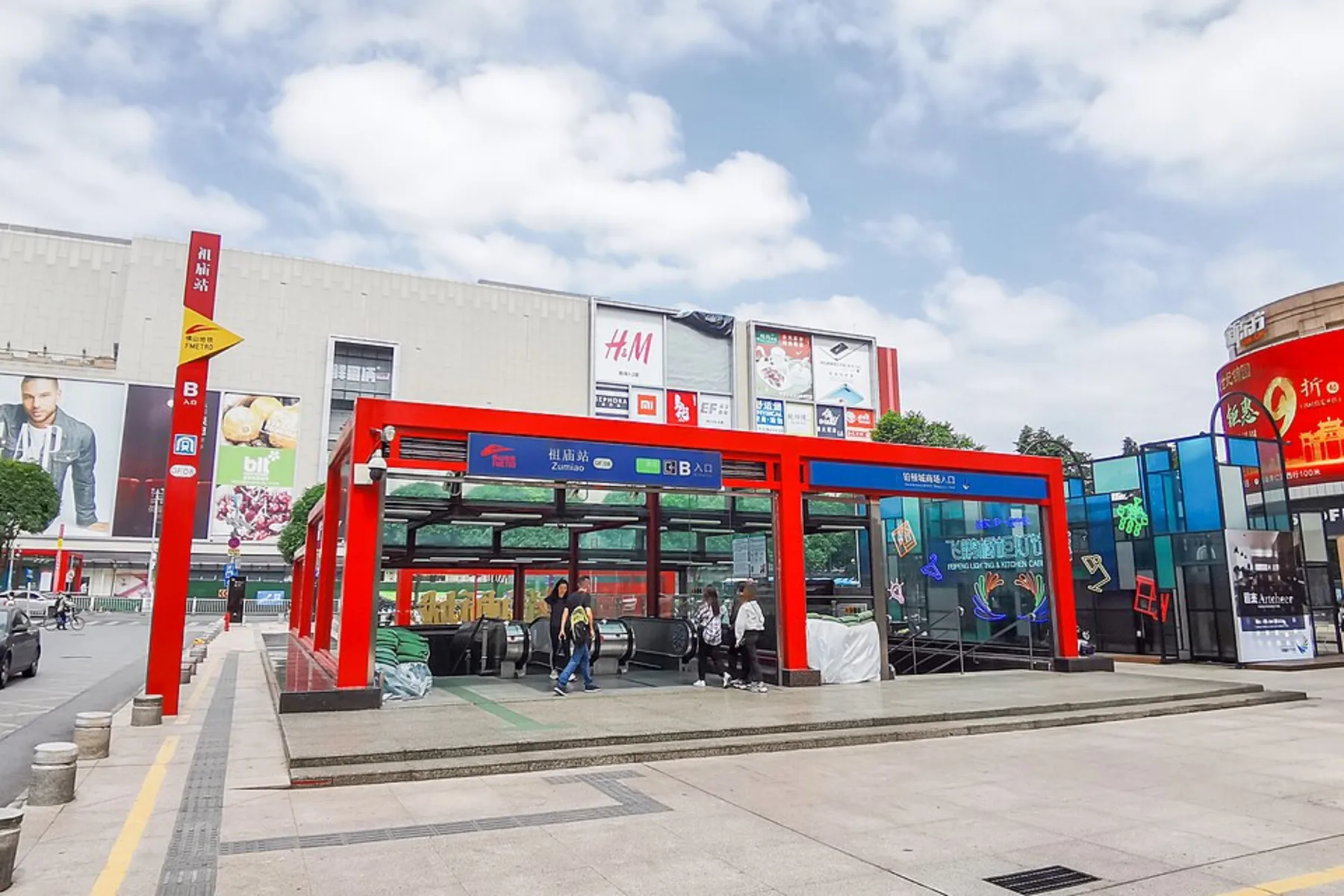
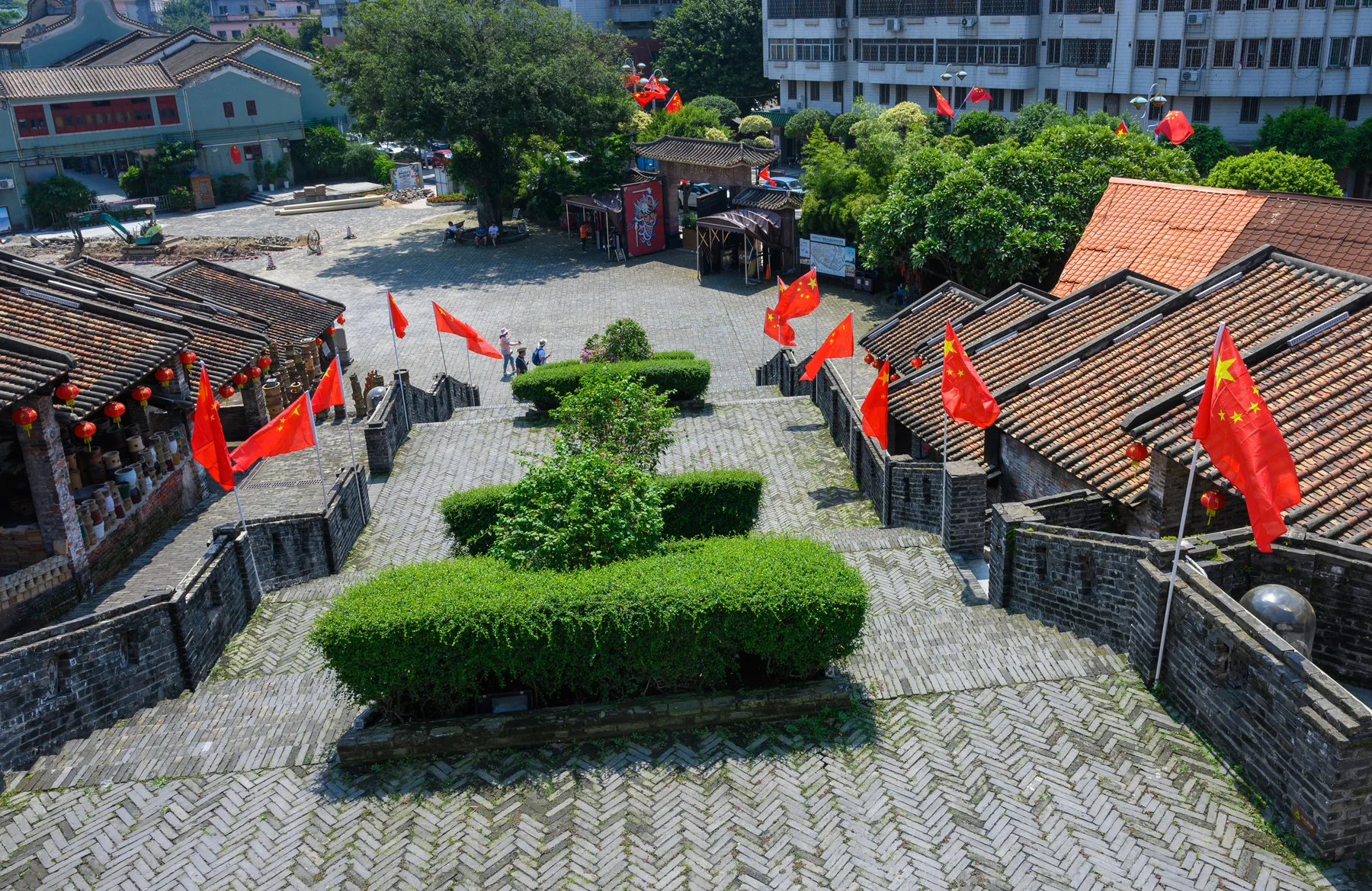
- zumiao-station.webp This street-level view provides one Chancheng observation context. It does not define a historic-area boundary or confirm a current metro exit, route or business. Nissangeniss · CC BY-SA 4.0; cropped and resized · CC BY-SA 4.0
- six-street-layers.webp Foshan Living’s six layers organise observation. Visible features do not prove age, legal identity or historical function. Mei-lin Cheung / Foshan Living · Original editorial infographic
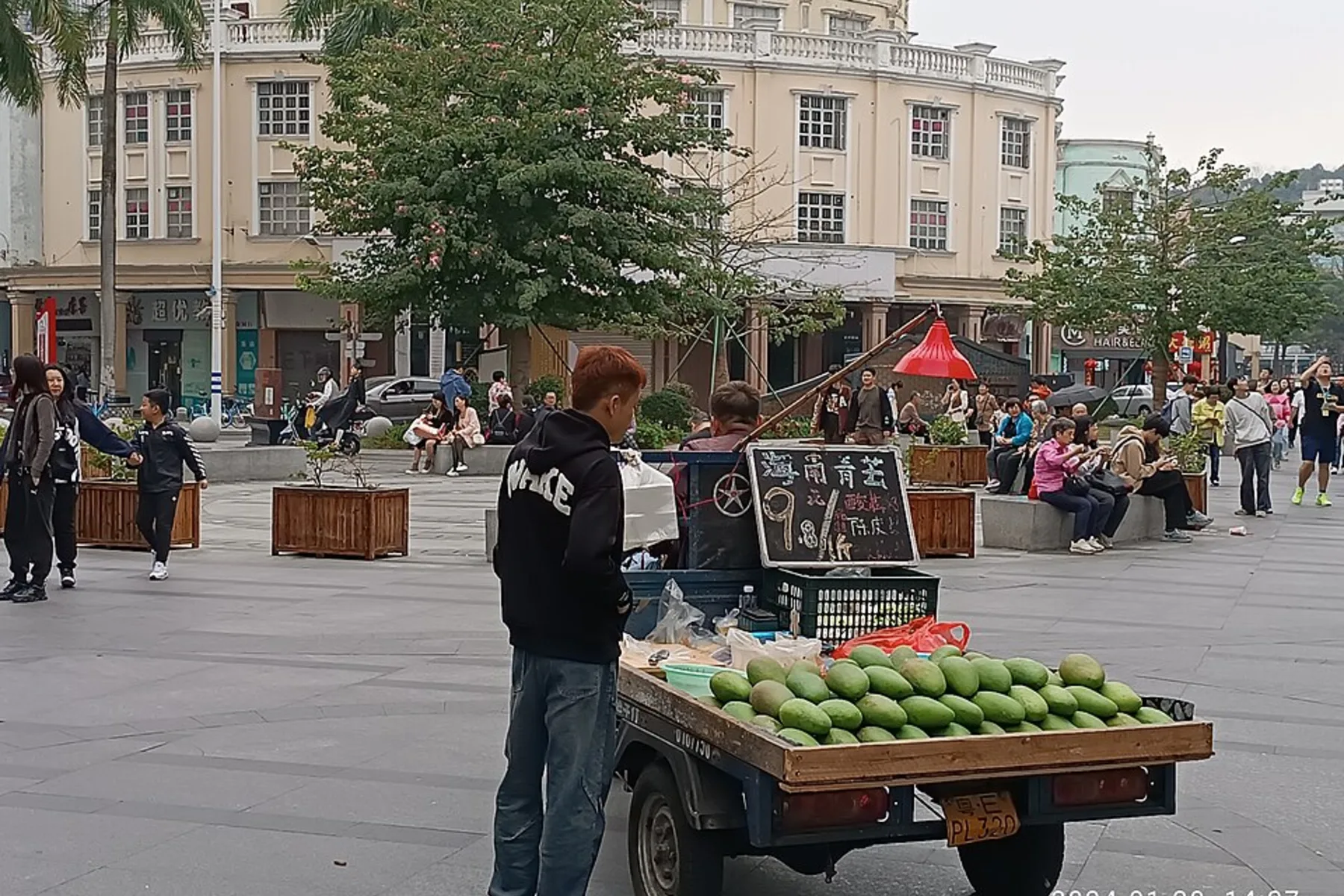
- zumiao-street.webp A contemporary public-space view near Zumiao provides scale and building-edge context. It does not establish age or conservation identity. xiquinhosilva · CC BY 2.0; cropped and resized · CC BY 2.0
- threshold-privacy.webp An open doorway is not automatic permission to enter or photograph. Mei-lin Cheung / Foshan Living · Original editorial infographic
- huagai-street.webp Huagai Road documents one lived commercial-street context. It does not recommend a business or prove original use. Lau Hau Yatyue Tiger · CC0; cropped and resized · CC0
- shiwan-kiln.webp Nanfeng Kiln provides one Shiwan historic-environment example. It does not confirm current access, firing, workshops, conservation status or route adjacency. xiquinhosilva · CC BY 2.0; resized · CC BY 2.0


Keep exploring
Related Foshan guides
 Explore Foshan
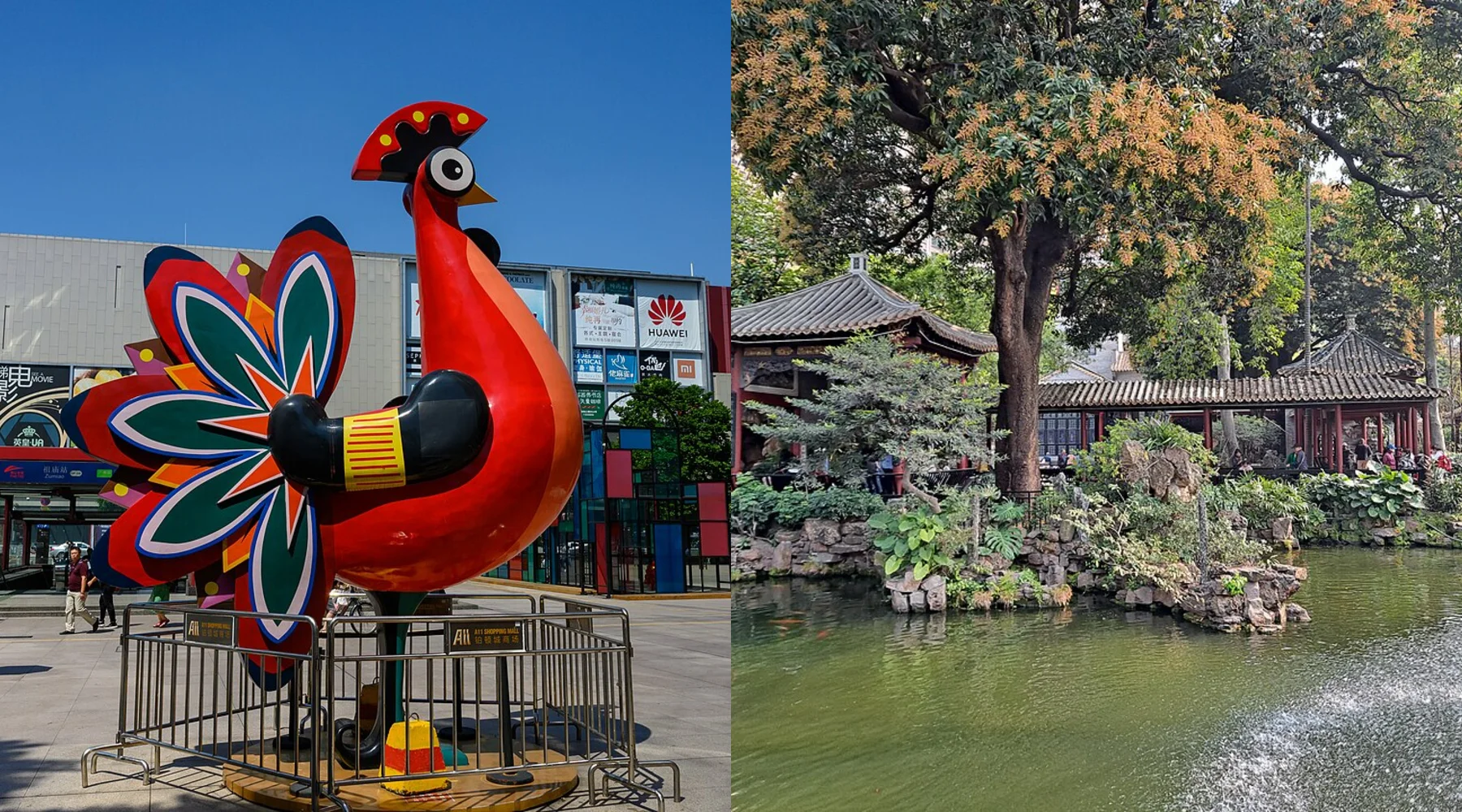
Chancheng or Shunde: Where Should You Start in Foshan?
Choosing between Chancheng and Shunde for a first Foshan trip? Compare heritage, food, neighbourhood pace, transport planning and where to stay.
 Explore Foshan
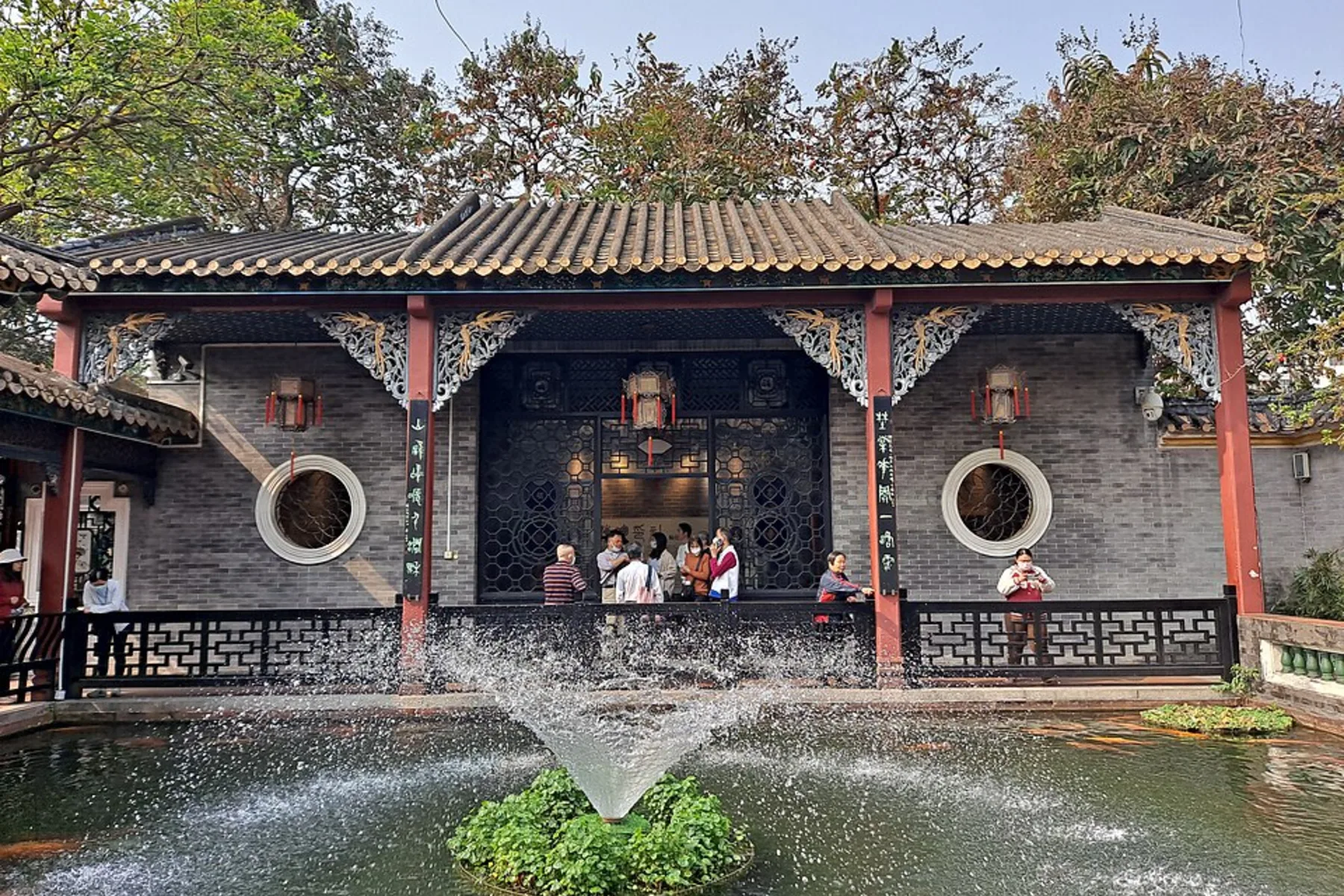
Understanding Foshan: A City of Five Districts
Learn how Foshan’s five districts differ, which areas suit culture, food, urban life or nature, and why every short trip needs a specific local base.
 Explore Foshan
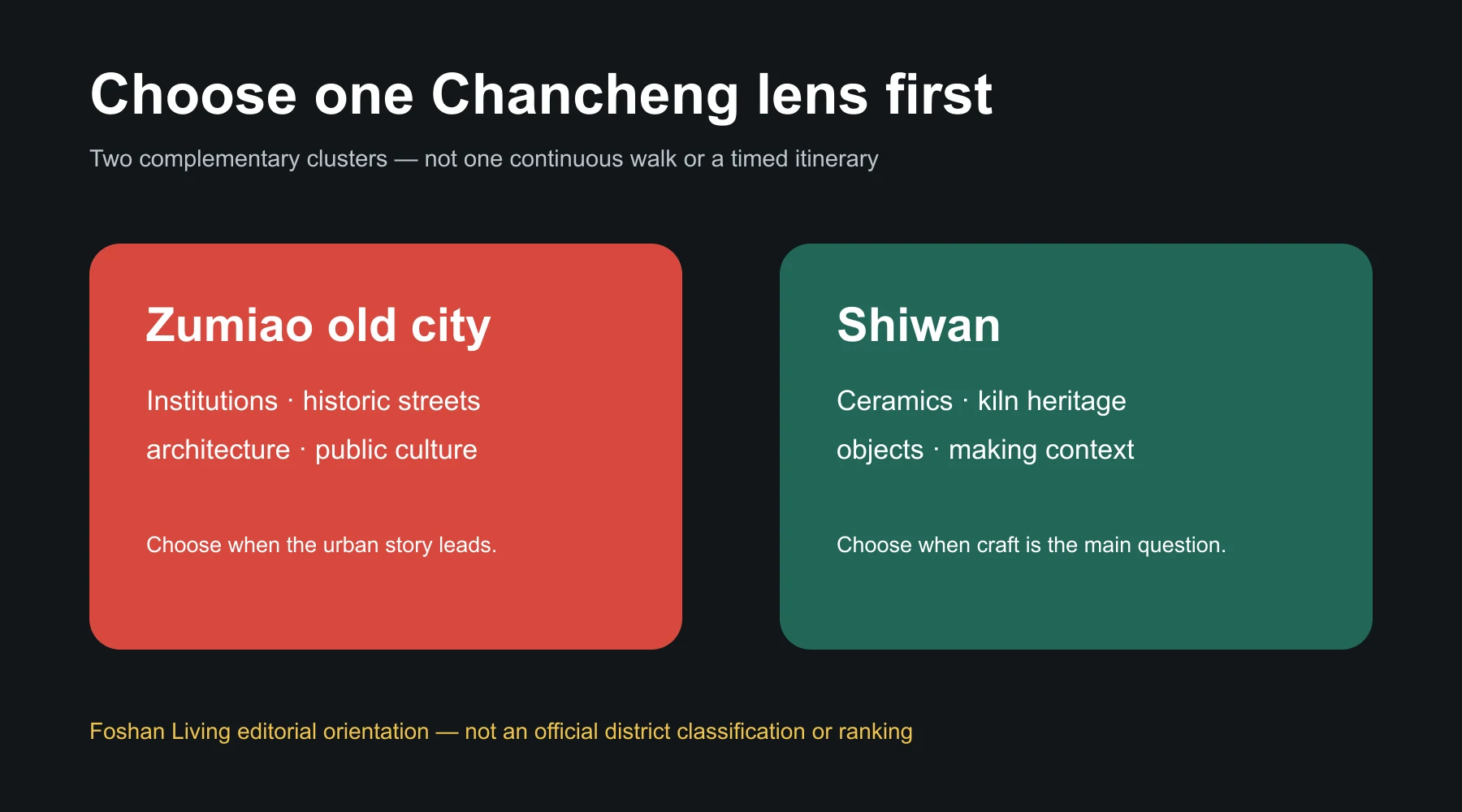
Zumiao Old City or Shiwan: How to Choose Your Chancheng Day
Compare Zumiao old city and Shiwan, choose one main Chancheng cluster, and add the other only after checking the complete route and current access.
 Explore Foshan
Chancheng: Foshan’s Historic Urban Core
Understand Chancheng through the Zumiao old city and Shiwan’s ceramic heritage, with guidance on walking scale, transport checks and where to base.
Plan your visitFirst Time in Foshan
Build a first trip around districts, transport, food and one deeper cultural interest.