Things to do
How to Choose a Foshan Museum by Theme and Area
Start with what you want to understand, choose the right museum type and area, then verify the live visitor layer with the operator.

On this page
- Start with the question you want answered
- Choose a citywide or district-level introduction
- Follow one specialist subject
- Read ceramics through material culture
- Read opera through its records and objects
- Place a historical figure in local context
- Treat historic buildings and gardens as different museum formats
- Use area as a second filter
- Match one museum to the kind of visit
- Know what a museum page cannot promise
- Verify the live visitor layer
- Build a focused Foshan culture trail
- About Mei-lin Cheung
The easiest way to choose a museum in Foshan is to begin with a question, not a ranking. Do you want an overview of the whole city, the story of one district, the material culture of Shiwan ceramics, the working world of Cantonese opera, a modern historical figure, a Lingnan garden, or local natural history? Once you know the subject, place the museum in its district and check the current visitor information with its operator.
This theme → area → operator sequence is a Foshan Living editorial method. It is not an official museum classification, and it does not imply that every collection is on display. It separates durable reasons for visiting from details that can change: opening hours, tickets, reservations, temporary exhibitions, gallery closures, language support and transport conditions.
What you will get from this guide: a practical way to narrow Foshan’s museum choices, examples of the different formats available, and a final checklist for verifying the live details before you go.
Start with the question you want answered
A long directory encourages visitors to collect names without deciding what they want to learn. A theme-first choice is more useful because Foshan’s museums do different jobs.
Begin with one of these questions:
- How do the city’s history, communities and cultural traditions fit together?
- What makes one district different from another?
- Why is Shiwan associated with ceramics?
- How are Cantonese opera stories preserved beyond a live performance?
- How does a historical figure connect to modern reform and local education?
- What changes when the museum experience is a garden or historic complex?
- What can a district collection reveal about local natural history?
These are editorial pathways, not promises about a particular gallery. The official entry for Foshan Museum supports a broad citywide orientation that includes history, intangible heritage and ceramics. District and specialist operators provide narrower entry points. None of those identities proves that a specific object, room or exhibition will be available on the day of a visit.
If this is your first cultural stop in the city, the broader Things to Do in Foshan guide can help you decide whether a museum is the right experience type at all. A museum may suit a visitor who wants context; another person may learn more through a workshop, a neighbourhood walk or a performance.
Choose a citywide or district-level introduction
A comprehensive museum is useful when your first question is geographical: “Where am I, and how does this place fit together?”
Foshan Museum is the natural research starting point for a citywide frame. Its operator presents broad themes rather than one narrow craft or personality. Use it to establish a vocabulary for later visits, not as proof that every major Foshan subject is currently represented in one building.
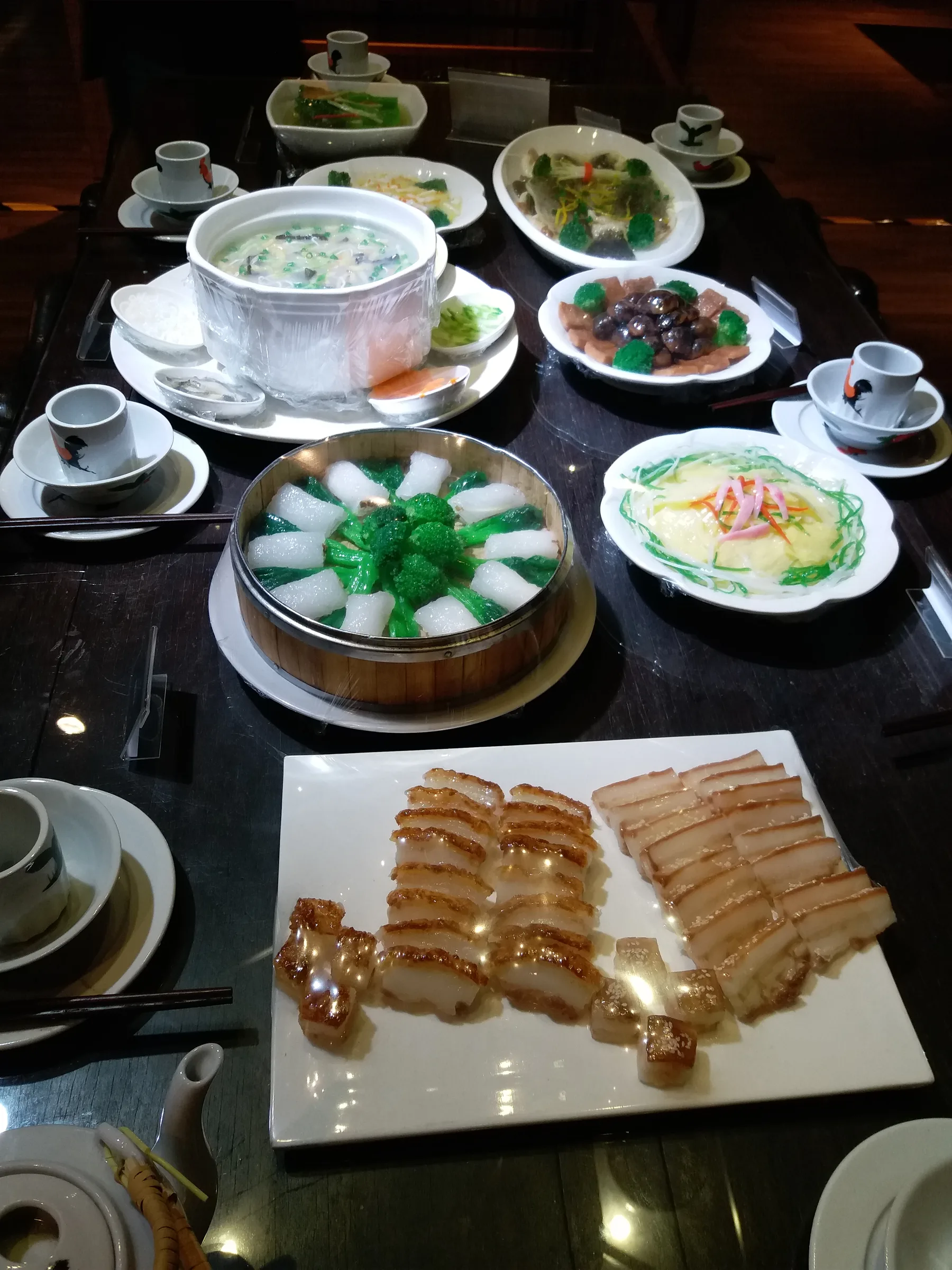
District museums shift the scale. The official Nanhai District Museum entry gives visitors a route into Nanhai’s local history. Shunde’s public museum-cluster material is useful for discovering institutions connected with that district, while the Sanshui District Museum provides an entry into local history and natural-history subjects.
The key distinction is scope. A district museum can deepen your understanding of one part of Foshan, but it cannot stand in for all towns or all five districts. A digital cluster page can help you discover institutions, but it does not mean that they share one physical address, one admission system or one set of opening rules.
.jpg)
This also explains why this guide does not force one named recommendation into every district. Where the existing official evidence is not strong enough for a stable, useful choice, leaving a gap is more honest than filling it with a popularity list.
Follow one specialist subject
Choose a specialist museum when you already know the subject you want to explore.
Read ceramics through material culture
The official Guangdong Shiwan Ceramics Museum entry provides a direct route into objects, technique and the material culture associated with Shiwan. A ceramics museum can help you notice surface, firing, form and use. It does not automatically provide a hands-on making session, and a workshop advertised elsewhere should be checked separately. Readers who want to compare viewing with participation can return to Things to Do in Foshan.
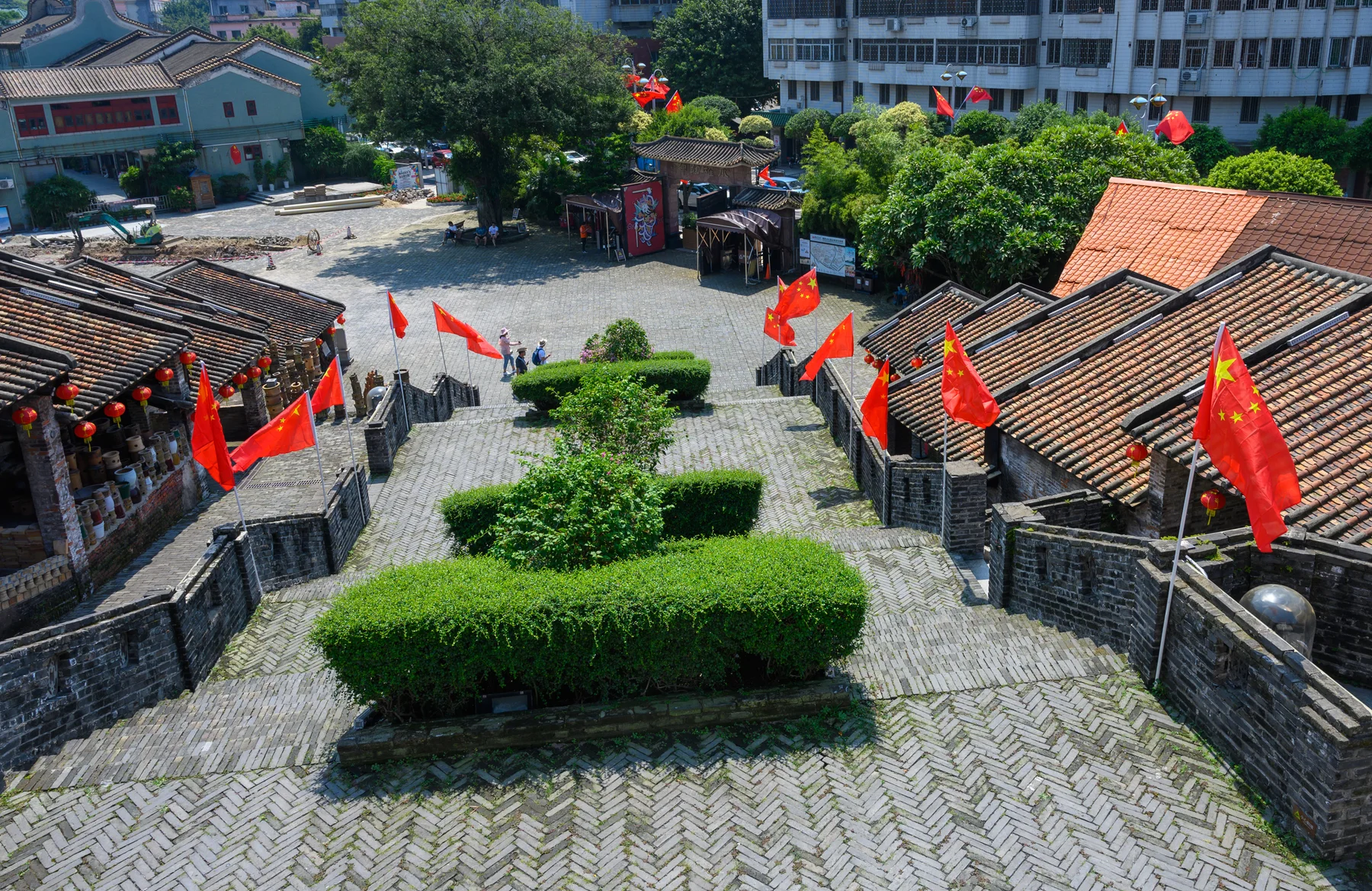
The museum and a kiln-heritage site answer different questions. The Nanfeng Ancient Kiln operator is the current place to verify access to that heritage setting, while the museum provides institutional categories and object interpretation. Do not treat a kiln exterior as proof of a current museum display, firing demonstration or workshop.
.jpg)
Read opera through its records and objects
A public cultural profile of the Guangdong Cantonese Opera Museum describes interpretive material such as scripts, costumes, instruments, records and audiovisual resources. That makes the museum useful for understanding how a stage tradition is documented and remembered. It does not replace a live performance or confirm that every named object is currently exhibited. For a close reading of one historic performance setting, continue to Wanfutai: How to Read a Traditional Cantonese Opera Stage.


Place a historical figure in local context
The official Kang Youwei Museum page connects a named figure with Nanhai and examination-culture context. This is a focused historical entry rather than a complete account of modern China. A specialist museum can frame questions and primary material, but one institution does not settle every historical debate.
Specialist choices work best when you accept their limits. Go to understand one subject more clearly, not to finish “Foshan culture” in a single stop.
Treat historic buildings and gardens as different museum formats
Not every museum visit is organised around a conventional sequence of indoor galleries.
The official Foshan Ancestral Temple Museum entry presents a historic architectural complex connected with folk culture, martial-arts memory and a stage setting. Its public cultural profile also identifies components such as the Confucius Temple and martial-arts memorial contexts. That combination makes the site useful for visitors who learn through buildings, courtyards and layered uses of space.
It does not guarantee that every component is open, that a performance will take place, or that a fixed route will be available. Treat the architecture and institutional identity as durable; treat access to individual spaces and events as live information.
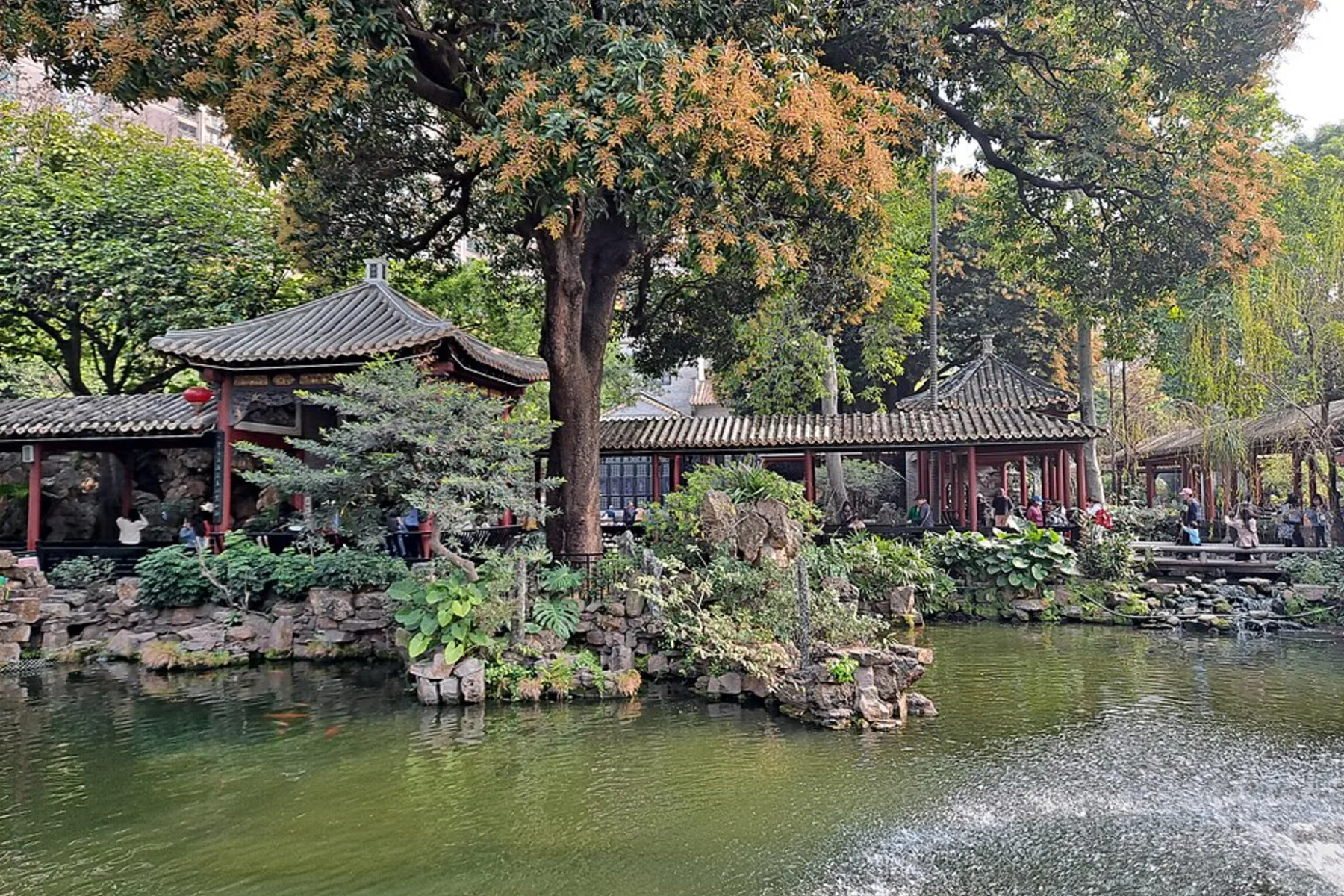
Qinghui Garden Museum offers another spatial format. Its official entry supports choosing it as a Lingnan garden experience, where circulation, framed views, planting, water and built elements matter together. A garden visit is not simply an indoor exhibition moved outside. It may involve more walking, changing surfaces and exposure to current weather or maintenance conditions.

Visitors primarily interested in martial-arts history can pair this spatial context with Foshan Kung Fu for First-Time Visitors, while keeping current demonstrations and performance schedules outside the evergreen plan.
Use area as a second filter
After choosing a subject, ask where the institution sits in the wider city and what else belongs in the same area. Theme should narrow the list; area should make the visit coherent.
This is especially important in a multi-district city. “Foshan museum” is not a useful transport instruction. A citywide institution, a Shiwan ceramics venue, a Nanhai specialist museum, a Shunde garden and a Sanshui district museum may answer different questions in different parts of the city.
Use a simple three-step filter:
- Select one primary question.
- Identify the museum type and district that best fits it.
- Check the exact address and current journey in a live map close to the visit.
Do not convert an old route time into an evergreen fact. Metro connections, station exits, road works, walking conditions and parking arrangements can change. Priya Nair’s area guides are the right place to compare districts; this article only establishes why a museum belongs in your plan.
Area-first restraint also improves the day. One well-chosen museum plus a nearby meal, walk or craft stop usually creates a clearer story than crossing the city to collect several unrelated venues.
Match one museum to the kind of visit
The same subject can feel different depending on who is visiting and how much attention the group has.
For a first visit, choose one broad question. A citywide or district introduction can provide orientation, while a specialist museum is better if ceramics, opera or a historical figure is already the main reason for the trip.
For a return visit, choose a narrower lens. A ceramics collection, opera archive, reform-history context or district natural-history subject can add depth without repeating a general introduction.
For families, favour a clear question that adults and children can observe together: What materials are objects made from? How does a garden direct movement? What changes between a costume, an instrument and a recording? Do not assume that an institution currently offers children’s activities or hands-on access.
For visitors with mobility, sensory or language needs, the museum’s subject is only half the decision. Current lifts, step-free routes, seating, toilets, captions, audio support, quiet areas and assistance policies must be checked directly. Convert those needs into a personal venue checklist; the operator remains the authority for present facilities.
Know what a museum page cannot promise
A stable museum identity is not the same as a stable visitor experience.
An operator page can establish that an institution exists and explain its long-term subject. A collection page can indicate the kind of material an institution holds. Neither proves that a particular object is on display today. Museums rotate objects, conserve buildings, close galleries and change interpretation.
Likewise, a museum-cluster or digital-museum page is valuable for discovery, but digital access does not establish physical opening. A public profile describing costumes, ceramics or memorial components should not be rewritten as a live inventory.
Avoid four common assumptions:
- “Officially associated with the museum” does not mean “currently displayed.”
- “Free in an old source” does not mean “no booking or admission condition today.”
- “Performance-related museum” does not mean “a performance happens every day.”
- “Family-relevant subject” does not prove current family facilities.
This distinction protects the evergreen article. It also gives the visitor a better question to ask the operator.
Verify the live visitor layer
Check the responsible operator shortly before the visit. Use this list:
- exact address and entrance;
- opening days, hours and last entry;
- ticket or reservation requirements;
- temporary exhibitions and closed galleries;
- whether the subject or object you care about is currently available;
- photography, bag and food rules;
- language, guided-tour or audio options;
- step-free access, seating, toilets and family facilities;
- the current journey from your starting point.
If an operator’s English information is incomplete, verify the Chinese page or contact the institution rather than relying on an old platform listing. Screenshots, rankings and travel posts can help you discover a question, but they should not override the current operator.
This final check is not a weakness in the guide. It is the correct division of labour: Foshan Living explains the durable choice; the museum confirms live operation.
Build a focused Foshan culture trail
Choose one museum, then add no more than one or two nearby experiences that deepen the same subject. A ceramics museum may lead into a craft-focused stop. An opera museum may lead into a history guide or a separately verified performance. A historic complex may lead into architecture or martial-arts interpretation.
Keep each page’s role clear. Mei-lin’s Things to do guides help you choose an experience and prepare for it. Zhang Wei’s culture guides provide deeper historical interpretation. Priya Nair’s Explore Foshan guides help resolve districts and routes.
Start with your question, choose the area, and check the operator. That sequence is more durable than any “top museums” list—and more likely to produce a visit that actually answers what you came to learn.
About Mei-lin Cheung
Mei-lin Cheung is Foshan Living’s Things to do editor. She turns local cultural research into practical choices for first-time visitors, families and returning travellers, with particular attention to pace, access and the difference between stable context and live visitor information.
See all articles by Mei-lin Cheung.
Image credits and disclosures
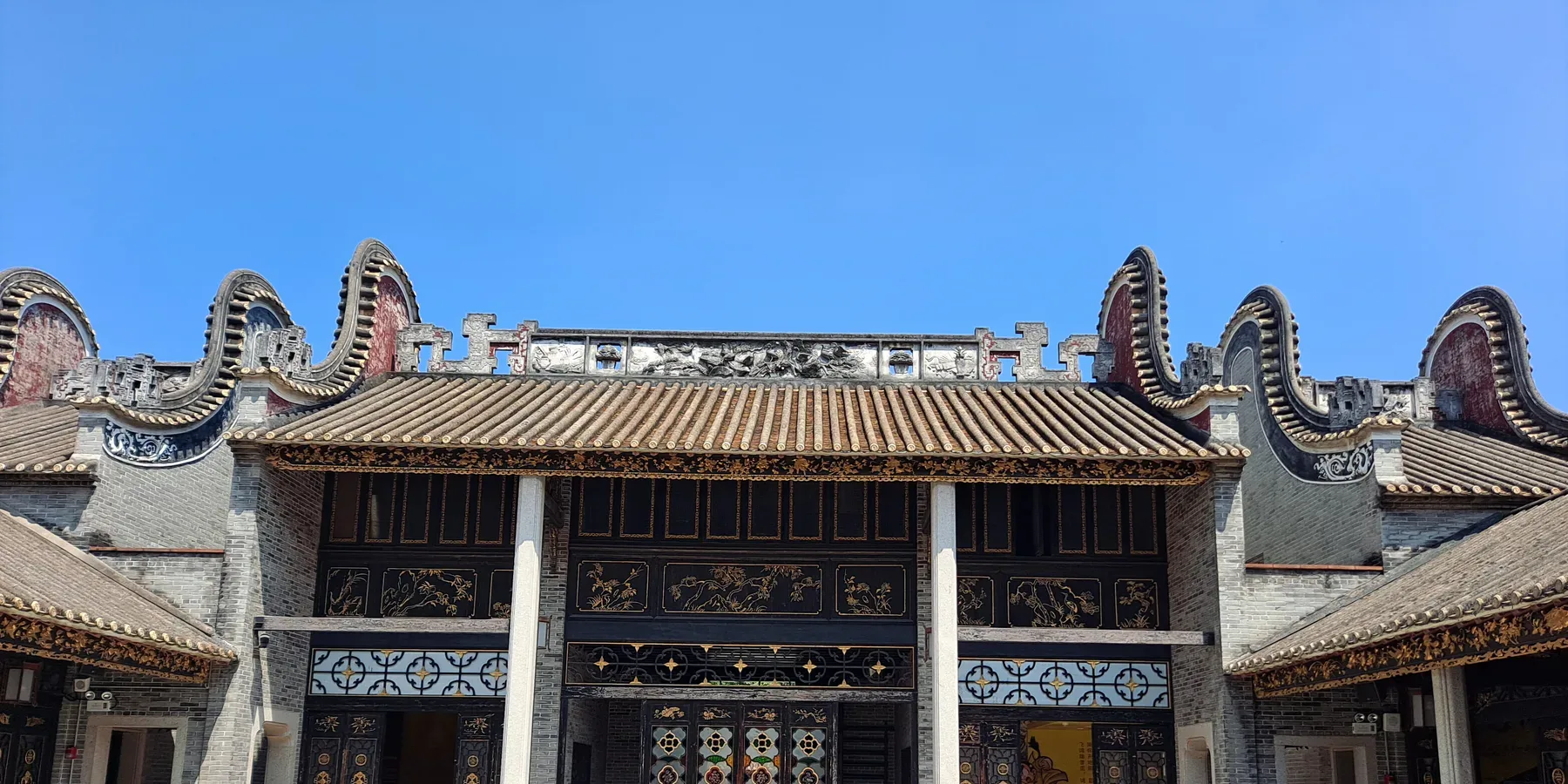
- hero.webp Wong Fei-hung Memorial Hall is one specialist-museum example inside the Foshan Ancestral Temple system. This open-licensed 2022 photograph has been cropped to its architectural upper facade; it does not confirm current access, displays, programmes or visitor services. 钉钉 · CC BY-SA 4.0; 1800px WebP derivative; cropped to upper 1800×900; no watermark or credit removed · CC BY-SA 4.0
- body-01-shunde-museum-display.webp An open-licensed 2019 photograph documents one Guangdong cuisine display at Shunde Museum. It shows how a district museum can interpret local culture; it does not confirm that this display remains available. Pauloleong2002 · CC BY-SA 4.0; existing resized WebP derivative copied unchanged from an accepted Foshan Living package · CC BY-SA 4.0
- body-02-qinghui-garden-format.webp Qinghui Garden demonstrates a museum format built around water, rockwork, planting and circulation. This open-licensed 2023 photograph does not confirm current opening, routes, facilities or maintenance conditions. EditQ · CC BY-SA 4.0; existing cropped and resized WebP derivative copied unchanged from the central visual pool · CC BY-SA 4.0
- body-03-wanfutai-performance.webp This 2024 photograph records one Foshan Cantonese Opera Troupe performance at Wanfutai. It illustrates the live tradition that museum records can help a visitor interpret; it does not confirm a current programme, cast, show time, admission condition or annual recurrence. Uuongkinghe · CC BY-SA 4.0; existing resized WebP derivative copied unchanged from an accepted Foshan Living package · CC BY-SA 4.0
- body-04-nanfeng-kiln-context.webp Nanfeng Kiln is a real Shiwan kiln-heritage setting related to the material context of ceramics; it is not presented here as a museum gallery. This dated photograph does not confirm current access, firing, ticketing, workshops or visitor conditions. xiquinhosilva · CC BY 2.0; existing resized WebP derivative copied unchanged from an accepted Foshan Living package · CC BY 2.0

Keep exploring
Related Foshan guides
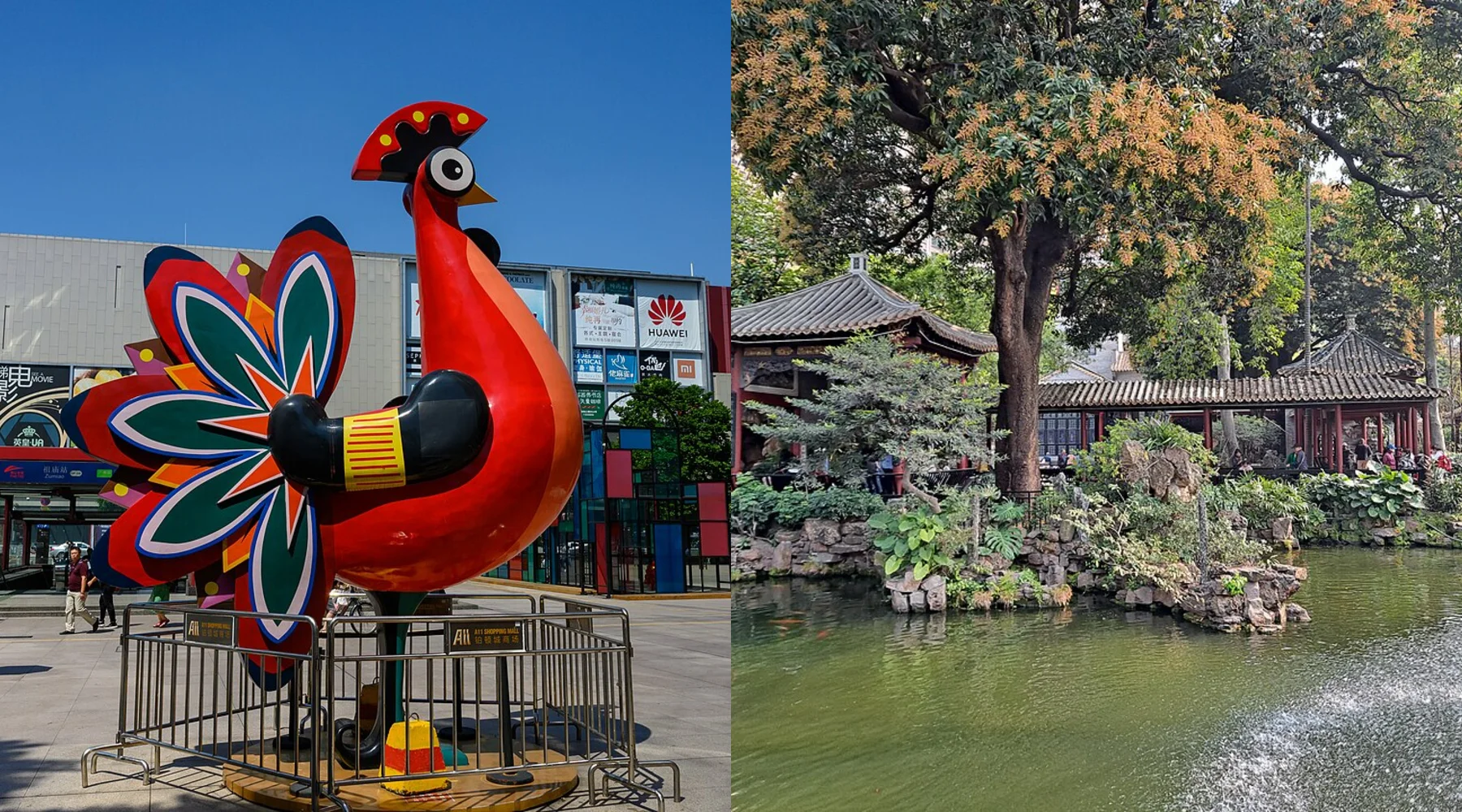 Explore Foshan
Chancheng or Shunde: Where Should You Start in Foshan?
Choosing between Chancheng and Shunde for a first Foshan trip? Compare heritage, food, neighbourhood pace, transport planning and where to stay.
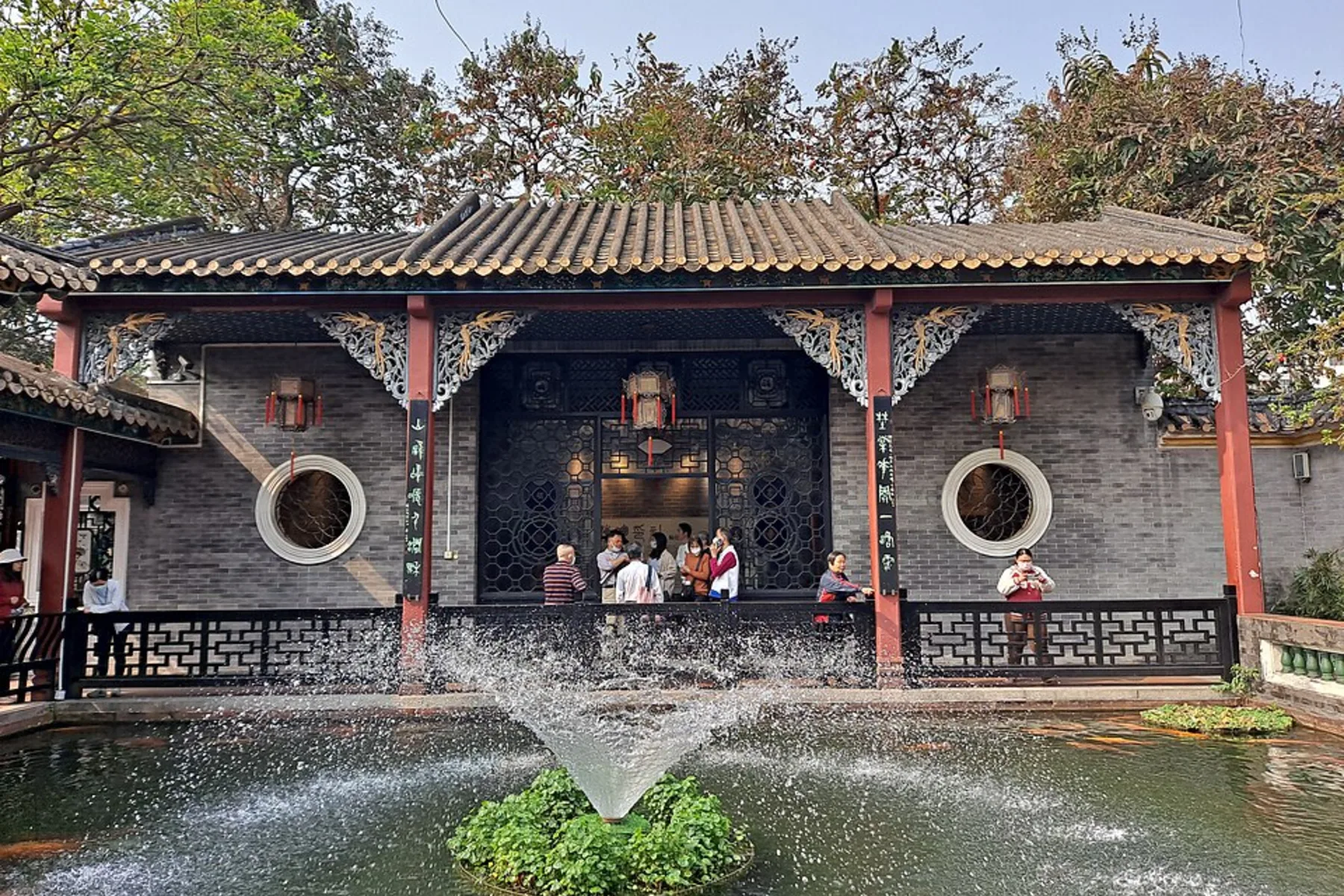 Explore Foshan
Understanding Foshan: A City of Five Districts
Learn how Foshan’s five districts differ, which areas suit culture, food, urban life or nature, and why every short trip needs a specific local base.
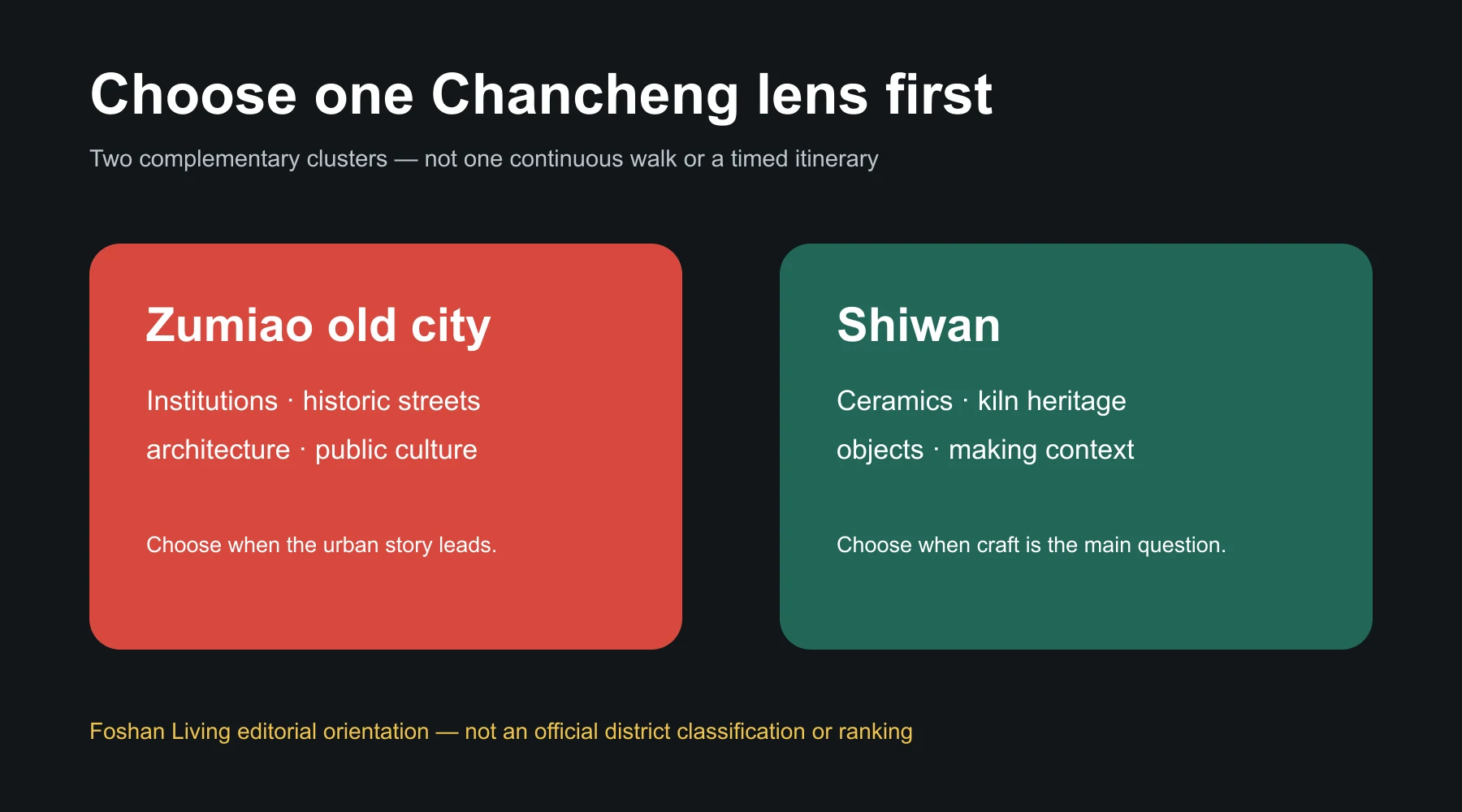 Explore Foshan
Zumiao Old City or Shiwan: How to Choose Your Chancheng Day
Compare Zumiao old city and Shiwan, choose one main Chancheng cluster, and add the other only after checking the complete route and current access.
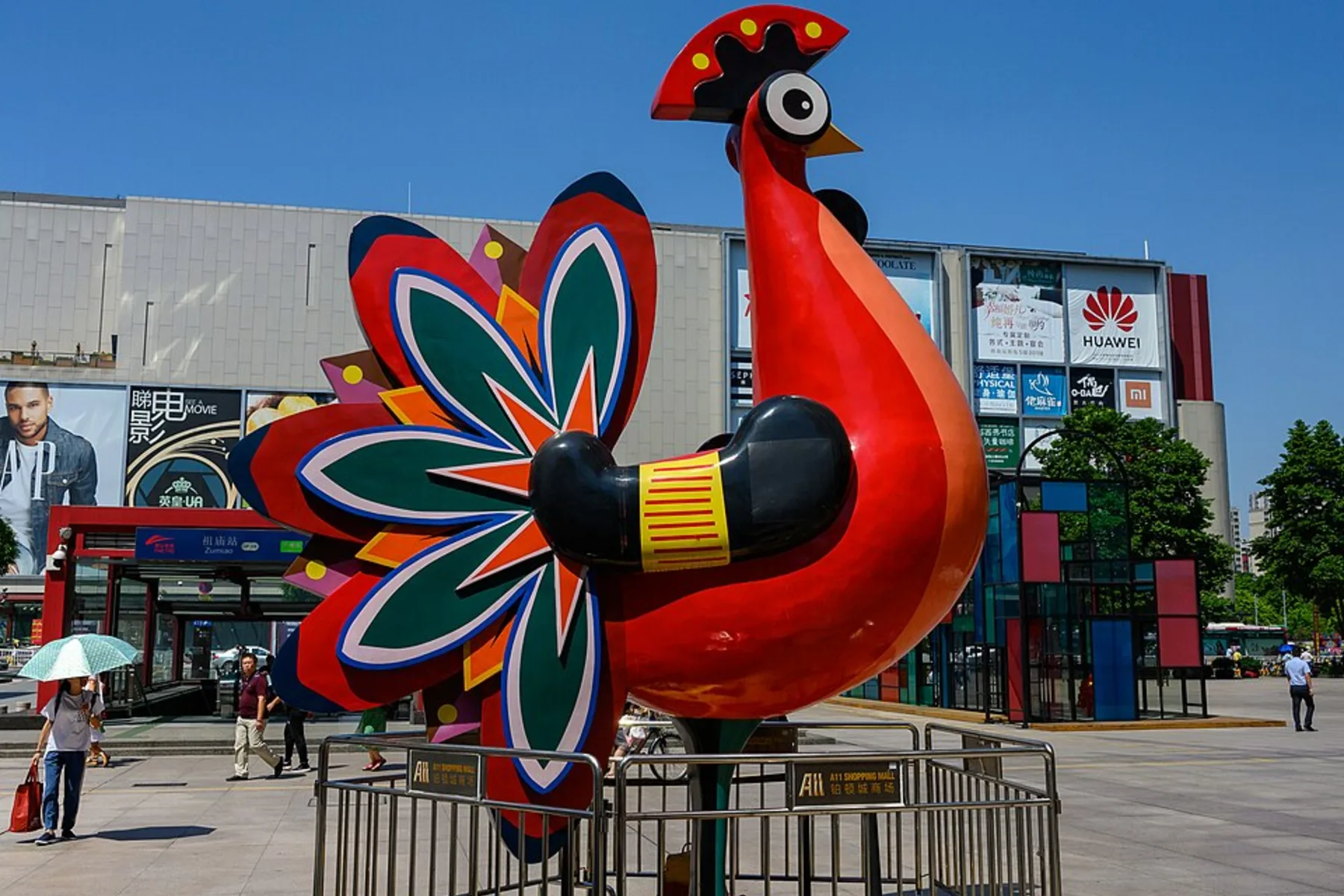 Explore Foshan
Chancheng: Foshan’s Historic Urban Core
Understand Chancheng through the Zumiao old city and Shiwan’s ceramic heritage, with guidance on walking scale, transport checks and where to base.
Plan your visitFirst Time in Foshan
Build a first trip around districts, transport, food and one deeper cultural interest.